
Last updated September 10, 2026
Full 25-point door and opener safety check with every visit - springs, cables, rollers, tracks, and your LiftMaster or Chamberlain opener included
You get a price before we start. It does not change when the truck arrives.
 Before
 After
After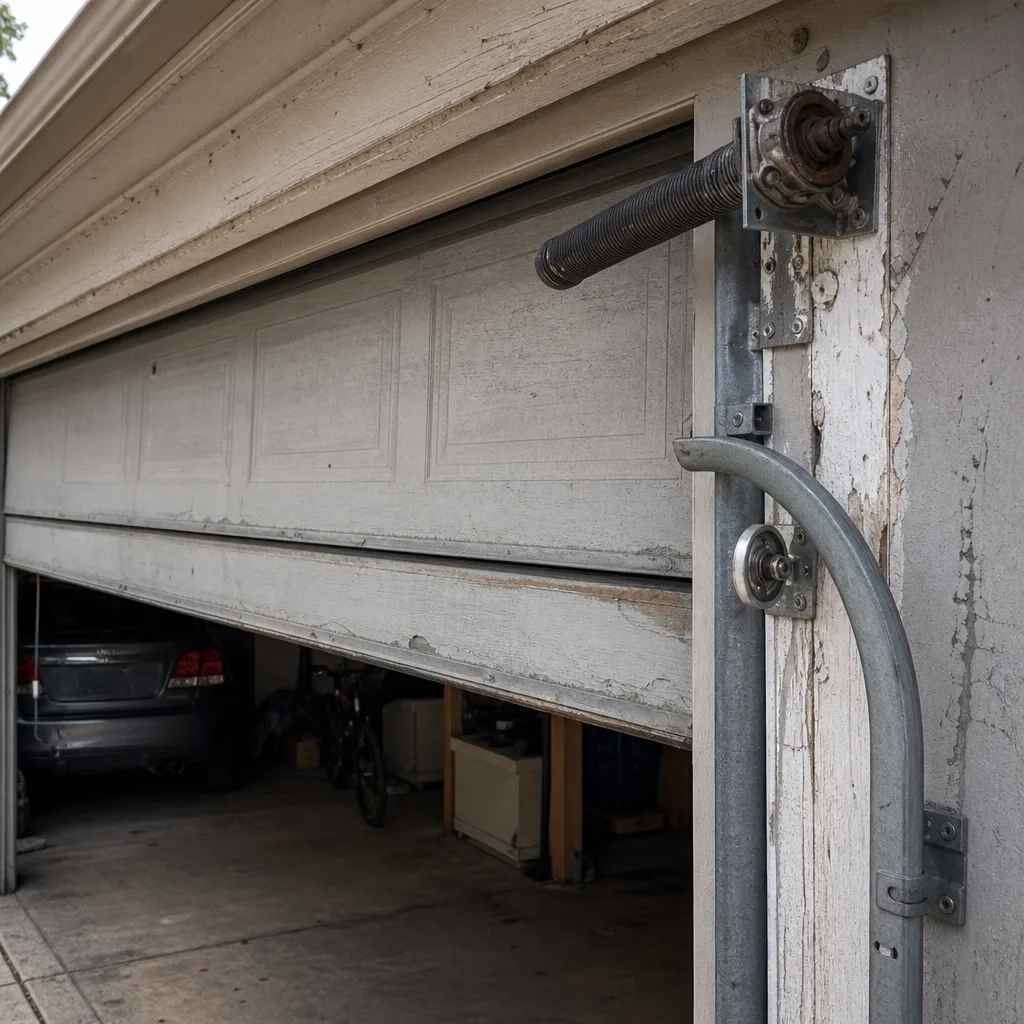 Before
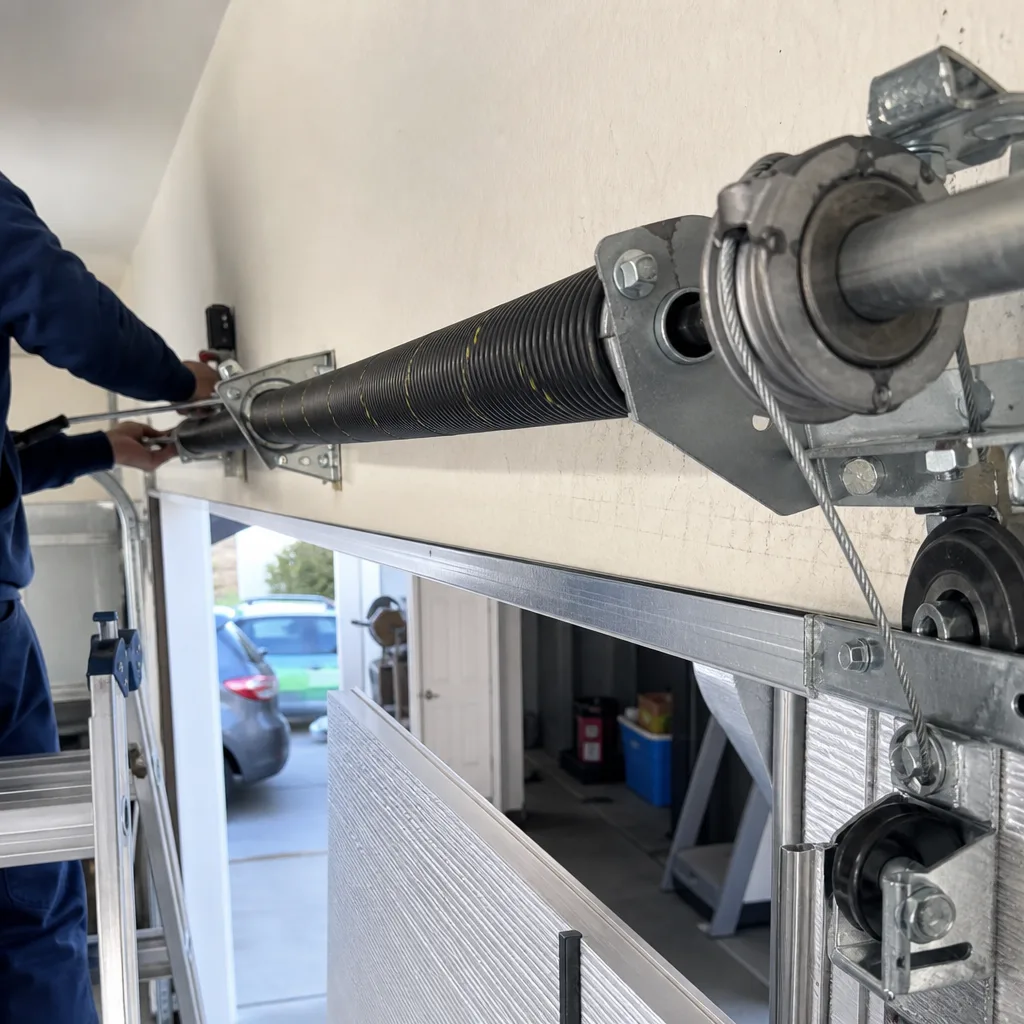 After
After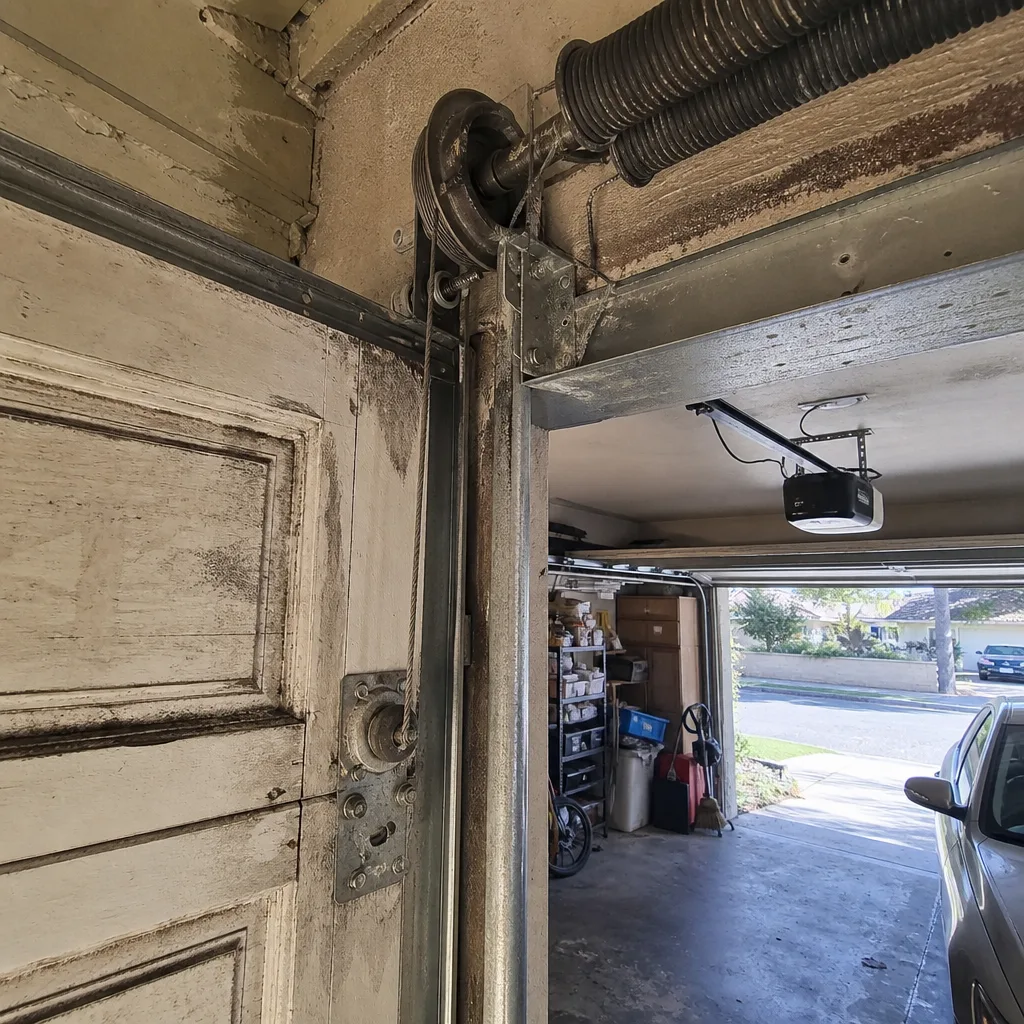 Before
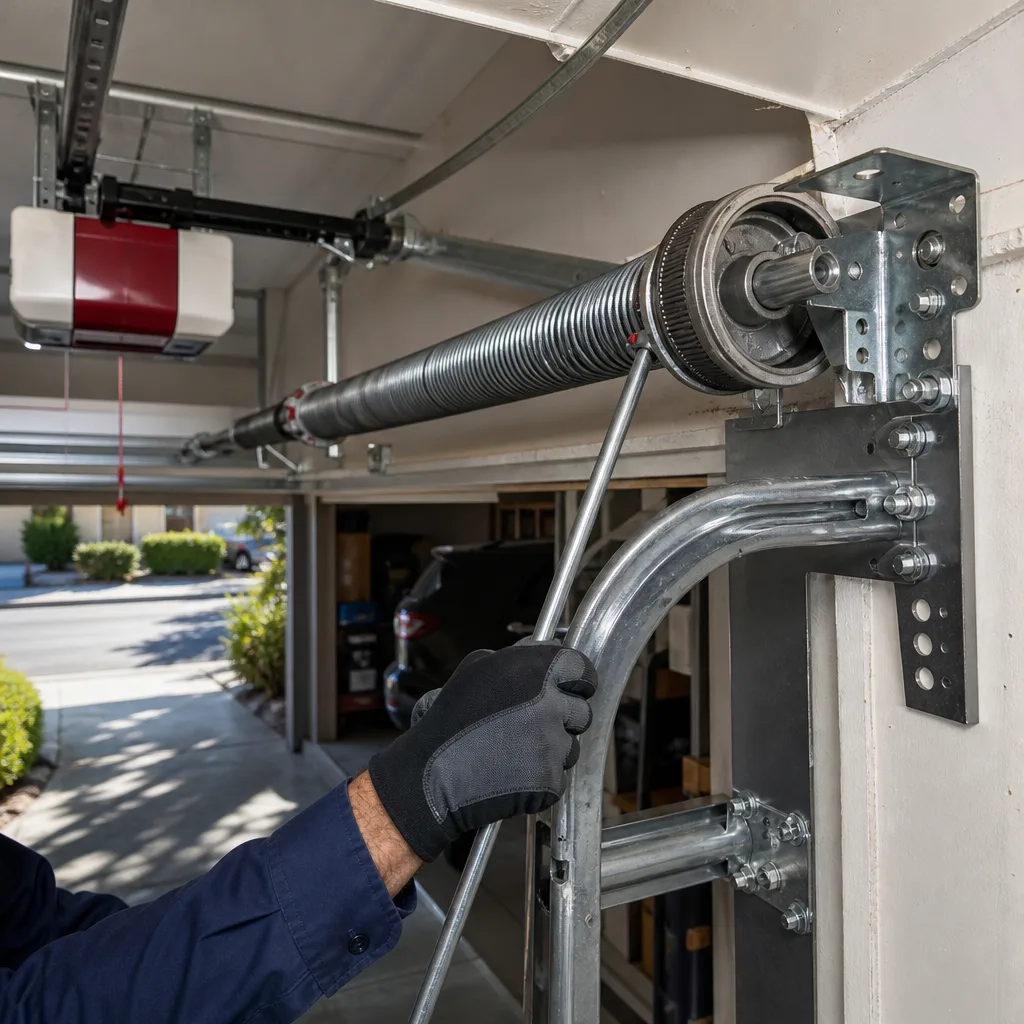 After
AfterGarage Door Permits, Codes & Inspections in CA: What You Need to Know
Here’s a number that surprises most California homeowners: roughly one in four garage door replacements in Los Angeles County triggers a permit requirement, but nearly half of unpermitted door jobs get flagged at resale, not at installation. The inspector doesn’t catch it the week it happens. The escrow officer catches it three years later, and by then the fix costs triple. If you live in Tarzana, where most homes were built between 1955 and 1975, you’re dealing with original door framing, outdated seismic anchors, and a Title 24 energy code that changed what you can legally bolt to your house in 2023. This guide walks you through the actual permit triggers, the code sections that apply, what an inspector checks, and how to document the job so your garage door never becomes a closing-table problem.
Quick Answer
In California, a garage door permit is generally required when you change the opening size, alter structural framing or fire separation, or install a new seismic anchor system; a like-for-like replacement of the door panels, tracks, springs, and opener in the same opening is typically exempt under California Residential Code Section R105.2, but Los Angeles County overlays stricter requirements for fire-rated doors between attached garages and living space, and Title 24 energy standards now apply to attached garage doors in most climate zones. When in doubt, pull the permit before you pull the old door, not after the inspector knocks.
Table of Contents
- When Do You Actually Need a Permit in California?
- Los Angeles County Specifics: What Tarzana Homeowners Face
- Title 24 Energy Code and Your Garage Door
- Seismic Bracing and UL 325: What the Code Actually Demands
- Fire-Rated Doors Between Garage and Living Space
- The Inspection Process: What the Inspector Checks
- Documenting Your Job for Resale Value
- Common Mistakes to Avoid
- When to Call a Professional
- Frequently Asked Questions
- The Bottom Line
When Do You Actually Need a Permit in California?
The single deciding factor is whether you’re doing a like-for-like swap or changing the opening, the fire separation, or the hardware that affects the seismic anchor. That’s the whole decision tree. California Residential Code (CRC) Section R105.2 lists work exempt from permit, and a straight garage door replacement in the existing opening falls under that exemption in most jurisdictions. But the moment you widen the opening, move the header, cut new king studs, or replace the fire-rated door between the garage and the house, the permit requirement kicks in. Here in Tarzana, we see this confusion constantly because so many mid-century homes have narrow single-car openings that owners want widened for a modern SUV. That widening is structural work. It requires a permit, engineering review, and an inspection. No exceptions. If you’re unsure whether your project needs a permit, review our Garage Door Warning Signs: A Tarzana Homeowner’s Reference Guide before proceeding.
What the code actually says, in plain language:
- Like-for-like door replacement: same opening size, same fire rating (if attached), no structural changes. Exempt from permit under CRC R105.2. You still need to meet current installation standards, including UL 325 compliance for the opener.
- Changing the opening size: permit required. This includes widening, raising the header, or converting a single door to a double door. It’s a structural alteration, and it changes the lateral load path in an earthquake.
- Replacing a fire-rated door between garage and living space: permit required in most LA County jurisdictions. You cannot downgrade a 20-minute fire-rated door to a non-rated door, even if it looks the same from the driveway.
- Modifying the seismic anchor or adding a new anchor system: permit required if the anchorage scheme changes. In Tarzana’s Seismic Design Category D2, this is not a rubber-stamp item.
- New construction or garage addition: full permit package, including Title 24 energy documentation.
If you’re reading this because a door company quoted you a price and told you “don’t worry about permits,” worry. The cheapest quote rarely includes the paperwork, and the paperwork is what protects you at resale. We would rather have the permit conversation before the job than after the escrow demand.
Los Angeles County Specifics: What Tarzana Homeowners Face
Tarzana sits in unincorporated Los Angeles County territory for some parcels and within City of Los Angeles jurisdiction for others, depending on which side of Ventura Boulevard you’re on. That boundary matters more than most people realize. City of LA uses the California Residential Code with local amendments; LA County uses the same base code with its own overlay. Both require permits for structural garage door work, but LA County’s fire separation requirements for attached garages are enforced with particular strictness because the county fire marshal reviews those applications. If your Tarzana home is in the county’s jurisdiction, expect the fire-rated door conversation to come up on every attached-garage permit.
The specific LA County sections that catch people:
- Los Angeles County Building Code Section 105 (Work Exempt from Permit): mirrors CRC R105.2 but adds a local amendment requiring permits for any door in a fire-resistance-rated wall, even if you’re only replacing the door slab.
- Los Angeles County Fire Code Section 304: governs the door between an attached garage and dwelling unit. The county expects a 20-minute rated assembly, self-closing hinges, and no penetration that compromises the rating.
- City of Los Angeles LAMC 91.105.2: similar to the county version, with an added administrative requirement for as-built documentation on homes built before 1970.
What this means in practical terms: if you own a 1962 ranch house north of the Boulevard in Tarzana and you want a new Clopay or Amarr door to replace the original, a straight swap is exempt. But if that original door sits in an opening with a rotted jambs and the contractor wants to replace the jamb, you’ve crossed into structural territory and the permit is now required. We have walked homeowners through enough of these distinctions to know they sound small on paper and become very large in escrow. This is also the point where our Otto’s Garage Door home team usually gets involved, because the permit question depends on exactly what the existing framing looks like once the old door comes off.
Title 24 Energy Code and Your Garage Door
California’s Title 24, Part 6 energy standards changed the garage door conversation in 2023, and most homeowners still don’t know it happened. The short version: attached garages in most California climate zones now count as conditioned or semi-conditioned space for energy compliance purposes, which means the door itself has a thermal performance requirement. In Tarzana, which sits in Climate Zone 9, an attached garage door selected for a new installation or a permitted replacement must meet a minimum R-value unless the garage is specifically documented as unconditioned and uninsulated. A basic non-insulated steel door that would have passed code in 2010 no longer complies.
The practical numbers:
- Uninsulated single-layer steel door: R-value around 2 to 3. Fails Title 24 for attached garages in Zone 9.
- Insulated double-layer steel door: R-value 6 to 9. Meets minimum in most Zone 9 applications.
- Triple-layer insulated door with polyurethane core: R-value 12 to 18. Exceeds Title 24 and reduces the thermal transfer to a conditioned laundry room or bedroom above the garage.
What most homeowners miss is that Title 24 compliance isn’t self-certifying. If the job requires a permit, the permit application includes a CF-1R energy compliance form, and the inspector verifies the door’s R-value against that form at final inspection. If the door doesn’t match, you fail. We have seen a Raynor insulated door pass with flying colors while a bargain-bin uninsulated door from a big-box store gets rejected at inspection. The energy code is not optional, and it will not be waived because the homeowner didn’t know. When we install doors in Tarzana homes, we spec the R-value on the invoice specifically so the permit record and the final inspection match without drama. If you want to see how this plays out in a full installation scenario, our Garage Door Installation in Tarzana page walks through the process step by step.
Seismic Bracing and UL 325: What the Code Actually Demands
Tarzana sits in a high-hazard seismic zone. The 1994 Northridge earthquake, centered about eight miles from here, snapped garage door opener rails and ripped inadequately braced doors off their tracks all across the Valley. The code response was a series of updates to CRC Section R301 (design criteria) and the adoption of UL 325 as the mandatory safety standard for all residential garage door operators. A garage door is 200 pounds riding on two springs. In an earthquake, that mass becomes a projectile if the track bracing and opener rail support aren’t right.
What UL 325 specifically requires, in plain English:
- Auto-reverse on contact: the door must reverse if it meets a 2×4 laid flat on the floor while closing. This has been federal law since 1993, but UL 325 tightened the force settings.
- Photo-eye sensors: mounted no higher than six inches off the floor, wired so that a blocked beam prevents the door from closing. If the sensors are jumped, the opener is non-compliant.
- Secondary entrapment protection: a second mechanism, usually the motor’s built-in force reversal, that works independently of the photo eyes.
- Constant-pressure override: if a homeowner manually overrides automation, the door must require continuous pressure on the wall button to close. No one-button-and-walk-away closing.
The seismic bracing piece is separate from UL 325 but lives in the same permit conversation. CRC Table R301.2.2.1.1 requires garage door opener rails to be supported by bracing that connects to the ceiling framing, not just the door track. In a D2 seismic zone, that bracing must resist both vertical drop and lateral sway. We replace openers in Tarzana homes where the original 1975 installation used two flimsy angle brackets and a prayer. That setup will not pass a permit inspection today, and it would not survive the next Northridge. When we do a permitted opener replacement, the bracing scheme is drawn on the permit application and inspected at final. If you’re curious what a full opener replacement involves, the Garage Door Opener in Tarzana page covers it.
Fire-Rated Doors Between Garage and Living Space
The door that connects your attached garage to your kitchen or laundry room is not a garage door in the conventional sense. It’s a fire separation, and it has different rules. In Tarzana, where the majority of homes have attached garages built before modern fire code, this door is frequently the single biggest code violation hiding in plain sight. A 20-minute fire-rated door with self-closing hinges is required between an attached garage and the living space. If your garage was converted, if the door was replaced with a hollow-core interior door, or if someone removed the self-closing hinges, that’s a violation that will appear on a pre-sale inspection report.
Here’s the part most homeowners miss: replacing the big roll-up vehicle door rarely triggers a fire-rated door upgrade on its own. But if the permit touches the fire separation in any way, such as reframing the wall between garage and house to widen the vehicle opening, the inspector will require the pedestrian door to meet current code. That means a proper 20-minute assembly, self-closing hinges, and no pet doors cut through the assembly. We have been called to Tarzana homes where a well-meaning contractor installed a beautiful new Clopay door on the driveway side and left a hollow-core interior door on the kitchen side, and the whole permit fails final inspection because of it. The fix is not expensive. The delay is.
If you are also dealing with the vehicle door itself and it needs repair rather than replacement, our Garage Door Repair in Tarzana page explains what a proper repair scope looks like under current code.
The Inspection Process: What the Inspector Checks
The inspector is not your adversary. The inspector is the person who signs the card that protects your resale value. Understanding exactly what they check removes the mystery and the fear. Here’s how a garage door permit inspection works in Tarzana, whether it’s LA County or City of LA jurisdiction:
- Application review: the permit application includes the door manufacturer, model, R-value if Title 24 applies, fire rating if fire separation applies, and the seismic bracing detail. Incomplete applications get kicked back before you even schedule the inspection.
- Rough inspection (if structural): if you widened the opening or changed the header, the inspector checks the framing, the king studs, the header size and material, and the anchor bolts before the door is installed. This happens before drywall or trim goes back up.
- Final inspection: the inspector checks the installed door for operational safety, UL 325 compliance on the opener, the photo-eye placement, the force reversal on a 2×4 test, the seismic bracing connection, the fire rating on any pedestrian door, and the R-value documentation if Title 24 applied.
- Sign-off and documentation: the inspector signs the final inspection card, which becomes part of the permanent building permit record. That signed card is what you hand to the escrow officer when you sell.
The inspector is not going to test your door 47 times or measure your spring cycle count. They check what the code requires and they move on. The final inspection in Tarzana typically takes 20 to 30 minutes for a straightforward door replacement. The cost of the permit itself is a few hundred dollars depending on the valuation and jurisdiction. The cost of skipping it is measured in thousands at resale. We hold a simple position: the permit protects the homeowner, not the contractor.
Documenting Your Job for Resale Value
The resale conversation is where unpermitted garage door work finally surfaces. A Tarzana homeowner we worked with had a brand-new door installed last year without a permit. When they went to sell, the home inspector flagged the lack of permit history, the buyer’s lender required the permit to be pulled retroactively, and the retroactive permit triggered a re-inspection that found a bracket that did not meet current code. The total cost: a few hundred dollars for the original shortcut, then $1,400 for the retroactive permit, the re-inspection, and the bracket replacement, plus a two-week escrow delay. The seller nearly lost the buyer.
What that story teaches you is that documentation matters more than the door itself in a resale transaction. For more guides & resources on protecting your home investment, here’s what you should keep in a file for every garage door job you ever have done:
- Signed permit application (if the job required one)
- Final inspection card with the inspector’s signature
- Invoice showing the door manufacturer, model, R-value, and UL 325 compliance
- Installer’s license number and business address printed on the invoice
- Warranty terms in writing, including the workmanship period
We print our license number and published address on every invoice, and the 90-Day Done Right Promise in writing on every job. That’s not marketing. That’s the documentation an escrow officer actually asks for. If you bought a home in Tarzana and the previous owner left you no garage door documentation, you can pull the permit history from the building department’s online portal. If nothing exists, and you’re planning to sell, address it now rather than later. The retroactive permit process is slower and more expensive than the original would have been.
Common Mistakes to Avoid
- Assuming every door replacement is exempt. The exemption only covers like-for-like swaps in the same opening with no structural or fire-separation changes. The moment the saw comes out for the header, the permit clock starts.
- Downgrading the fire-rated pedestrian door. That cheap hollow-core door from the home center will fail inspection and may violate the fire code. In an attached garage, the pedestrian door is a fire assembly, not a style choice.
- Ignoring Title 24 on an attached garage. An uninsulated steel door in Tarzana’s Climate Zone 9 fails the energy code, and “nobody told me” is not an accepted compliance method.
- Installing an opener without proper seismic bracing. Two angle brackets and a prayer don’t meet CRC Table R301.2.2.1.1 in a D2 seismic zone. The next earthquake does not care about your exemption.
- Bypassing the photo-eye sensors to save time. UL 325 requires them, the inspector checks for them, and a jumped sensor is an automatic fail plus a safety hazard.
- Tossing the permit paperwork after the job. The signed final inspection card is gold at resale. Without it, the buyer’s lender may require a retroactive permit and re-inspection at your expense.
- Hiring the lowest bid without a local address. A door company that parks the truck in another county can’t walk the Tarzana permit process with the LA County building department. Hire someone whose name is on the license and whose address is on the invoice.
When to Call a Professional
Get a licensed professional involved whenever the job moves past a straightforward panel swap on an existing track. That means any opening-size change, any header or framing work, any fire-rated door replacement, any seismic anchor modification, and any job where the permit application requires drawings or an energy compliance form. High-tension springs, cables, and opener rails under load are genuinely dangerous. A spring under torque holds enough energy to break bone or worse if it lets go. We do not recommend DIY spring replacement, period. A door is 200 pounds riding on two springs. Respect it.
Otto’s Garage Door offers free estimates in Tarzana. Call (818) 431-2466 and a live person answers, often Otto himself. He quotes the job on that call and holds that number at the door.
Frequently Asked Questions
A like-for-like replacement of the garage door panels, tracks, springs, and opener in the existing opening is generally exempt from permit under California Residential Code Section R105.2, but a permit is required if you change the opening size, alter structural framing, modify fire-rated assemblies, or change the seismic anchor. Los Angeles County and City of Los Angeles both enforce this, and Title 24 energy requirements may add a documentation step even for exempt replacements. Call (818) 431-2466 if you’re uncertain which side of the line your Tarzana job falls on.
A typical garage door permit in Tarzana runs a few hundred dollars depending on the project valuation and whether the property falls under LA County or City of LA jurisdiction, but the retroactive permit you pull at resale will cost significantly more once inspection fees and potential bracket replacements are added. The original permit is always the cheaper path.
Title 24, Part 6 applies an R-value requirement to attached garage doors in most California climate zones, including Tarzana’s Climate Zone 9, unless the garage is documented as unconditioned space with no insulation in the shared walls. A single-layer uninsulated steel door typically fails; an insulated double-layer door with an R-value of 6 or better usually passes.
UL 325 is the mandatory safety standard for residential garage door operators and requires auto-reverse on contact, photo-eye sensors mounted no higher than six inches off the floor, secondary entrapment protection, and constant-pressure operation for manual override. An opener that fails any of these is non-compliant and dangerous, and it will not pass a final inspection.
Yes, if that company is licensed and familiar with the local building department. We handle the permit application, the Title 24 documentation, the inspection scheduling, and the final sign-off for Tarzana homeowners, so the permit record is clean and the paperwork exists when the escrow officer asks for it.
The home inspector flags the missing permit history, the buyer’s lender often requires the permit to be pulled retroactively, and the retroactive inspection may uncover non-compliant hardware that must then be replaced, all on your timeline and at your expense. We have seen this exact sequence delay a Tarzana escrow by two weeks and add over a thousand dollars in costs.
The Bottom Line
California’s garage door permit rules are straightforward once you understand the single deciding factor: like-for-like swap in the same opening is exempt, while any change to the opening size, fire separation, or seismic anchor requires a permit and inspection. Title 24 energy standards now apply to attached garage doors in Tarzana’s Climate Zone 9, UL 325 governs opener safety, and the fire-rated pedestrian door between garage and house is non-negotiable. The permit is not a tax on your door; it’s the documentation that protects your resale value and your insurance coverage. Pull it before you pull the door. If you want a licensed local shop that handles the paperwork as carefully as the door itself, call Otto’s Garage Door at (818) 431-2466 for a free estimate.
Written by Otto Reinhardt, Owner at Otto’s Garage Door, serving Tarzana since 2004.