
Last updated September 10, 2026
Full 25-point door and opener safety check with every visit - springs, cables, rollers, tracks, and your LiftMaster or Chamberlain opener included
You get a price before we start. It does not change when the truck arrives.
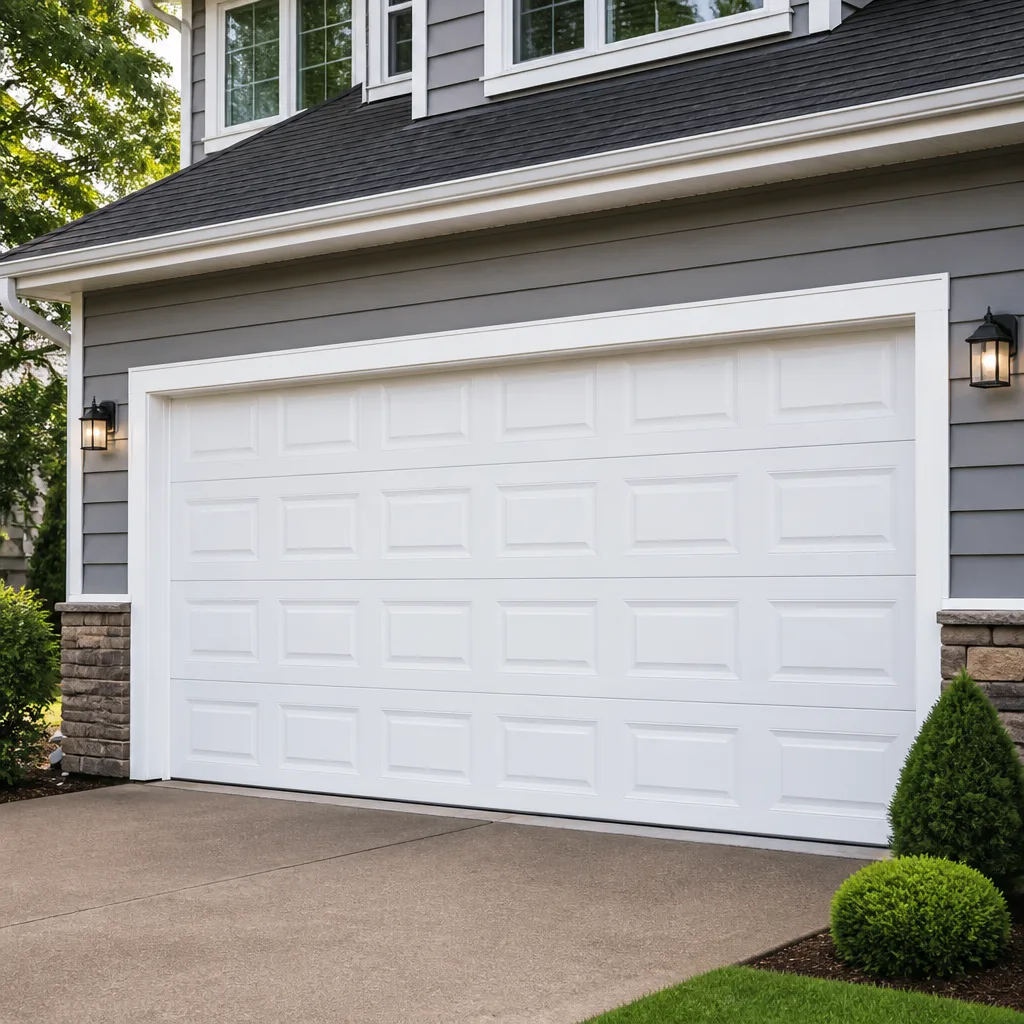
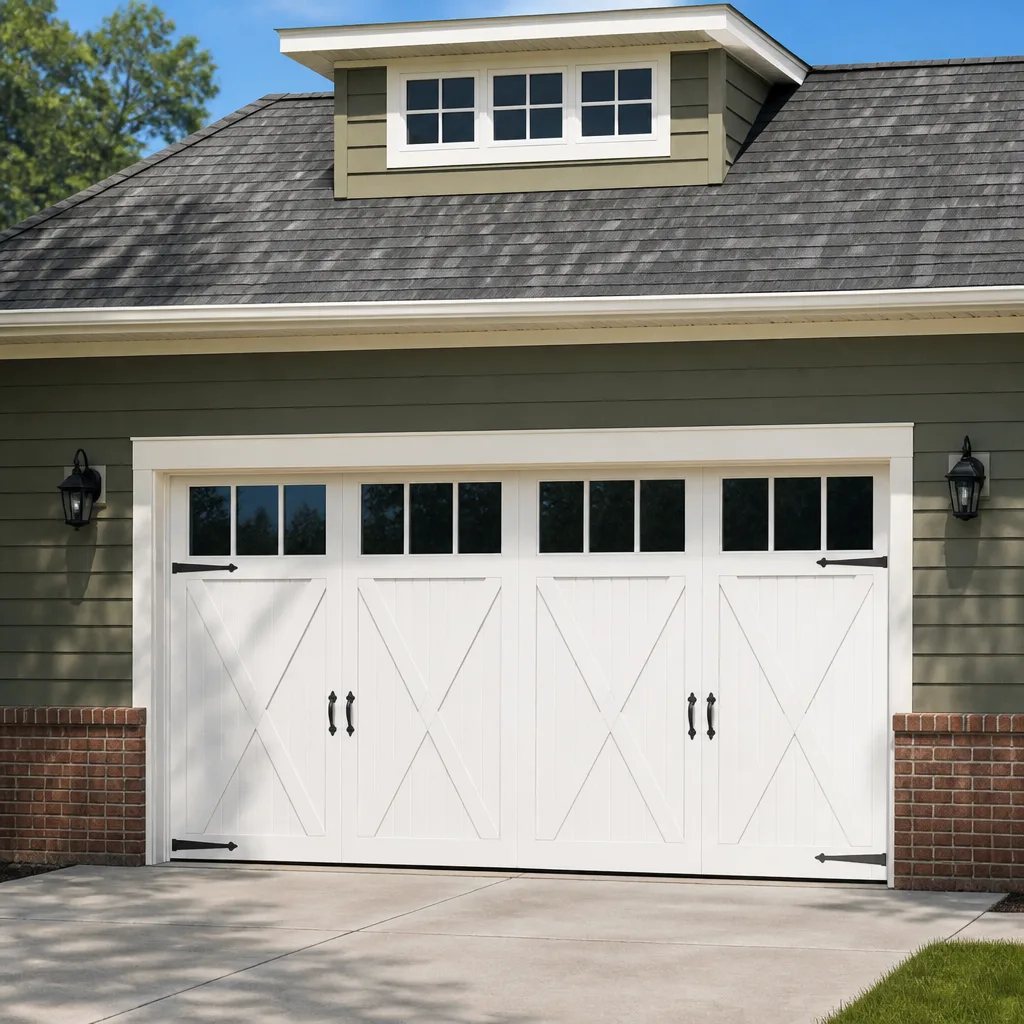
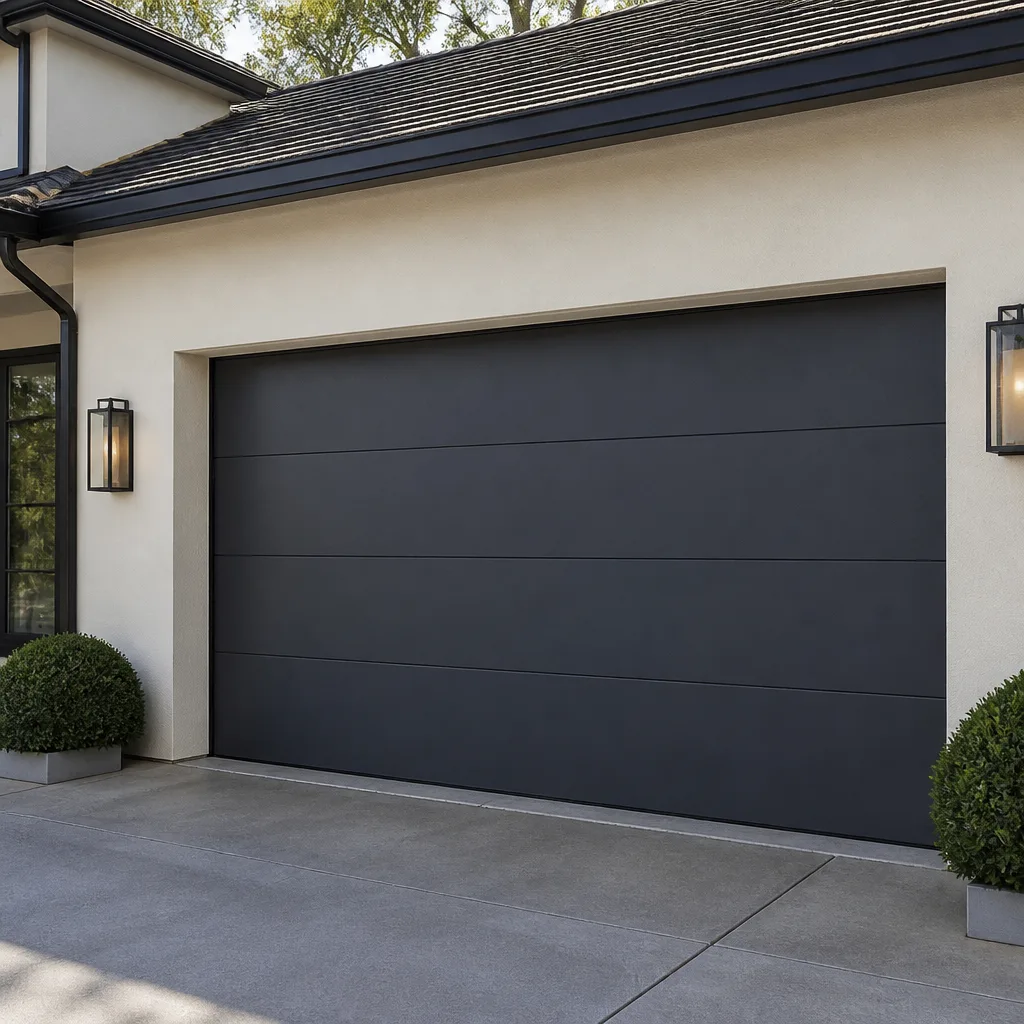
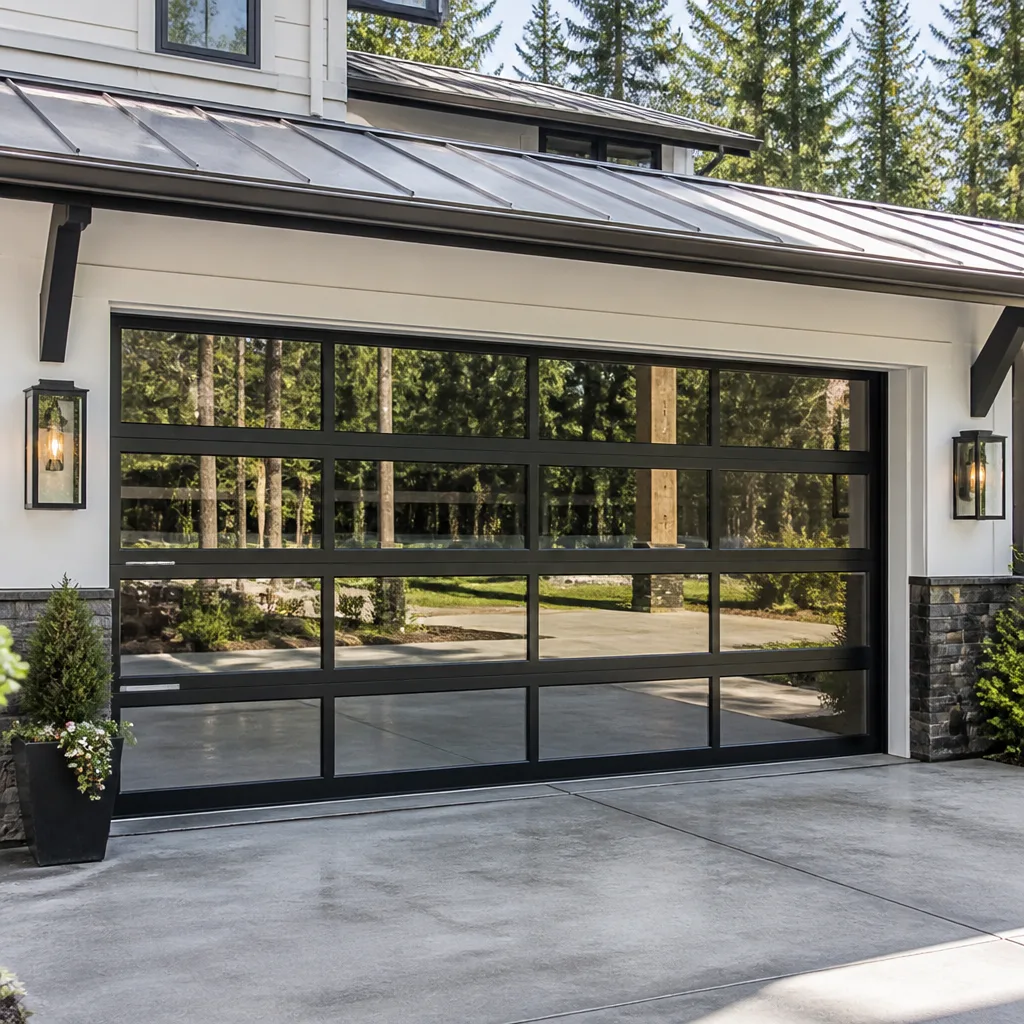
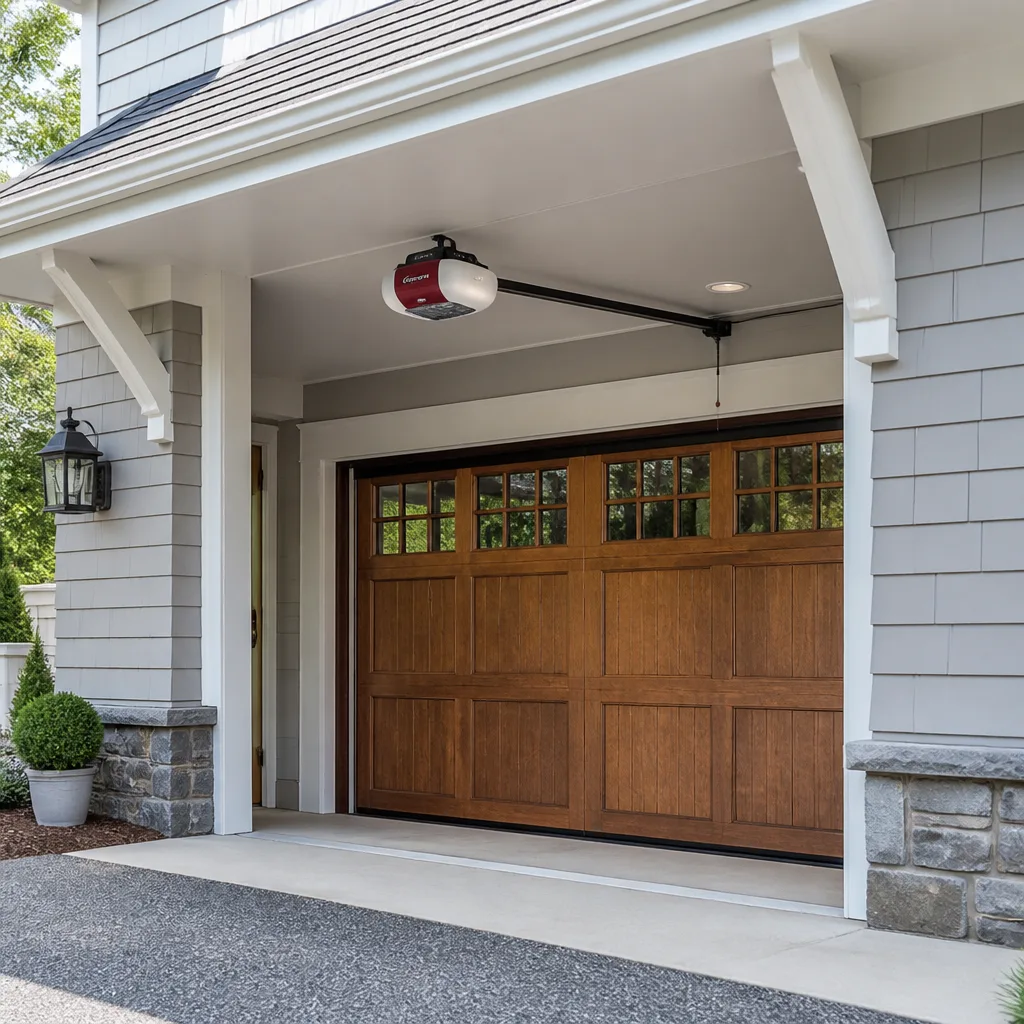
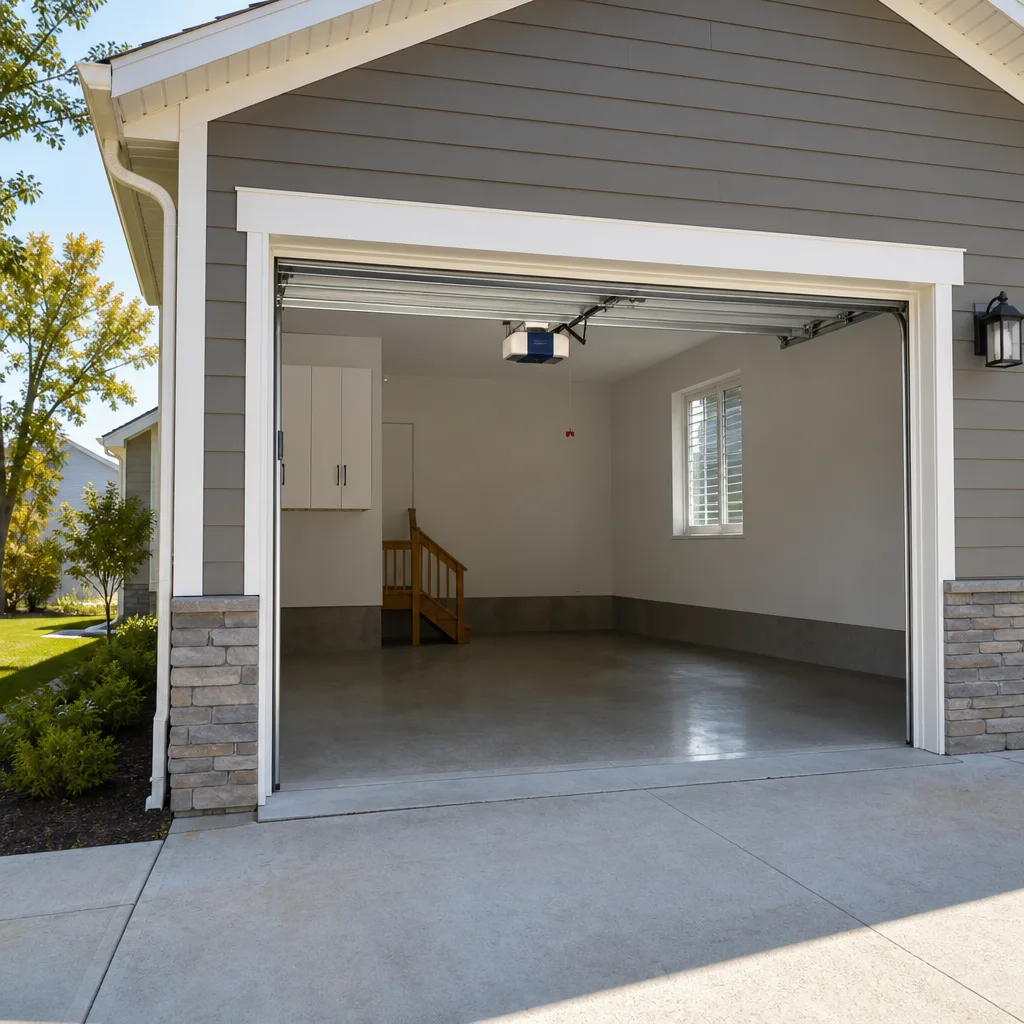
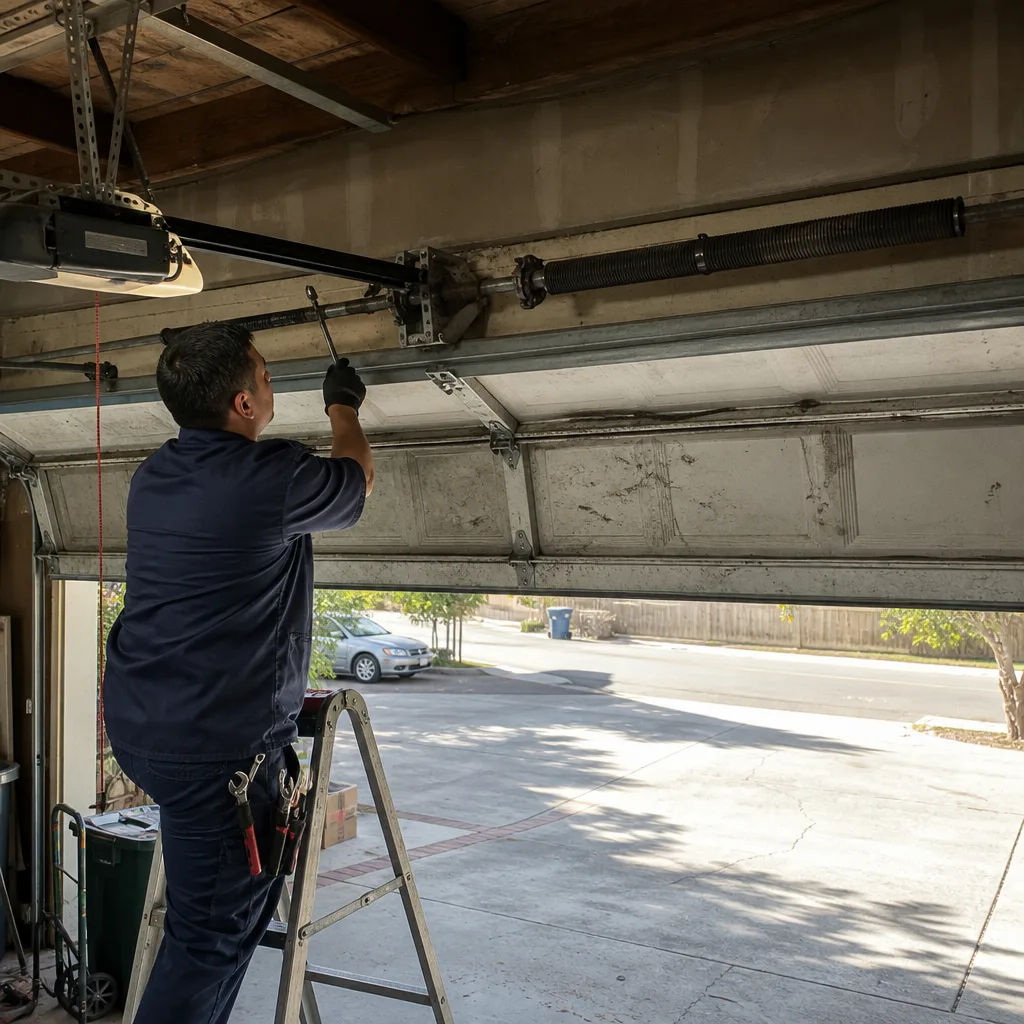 Before
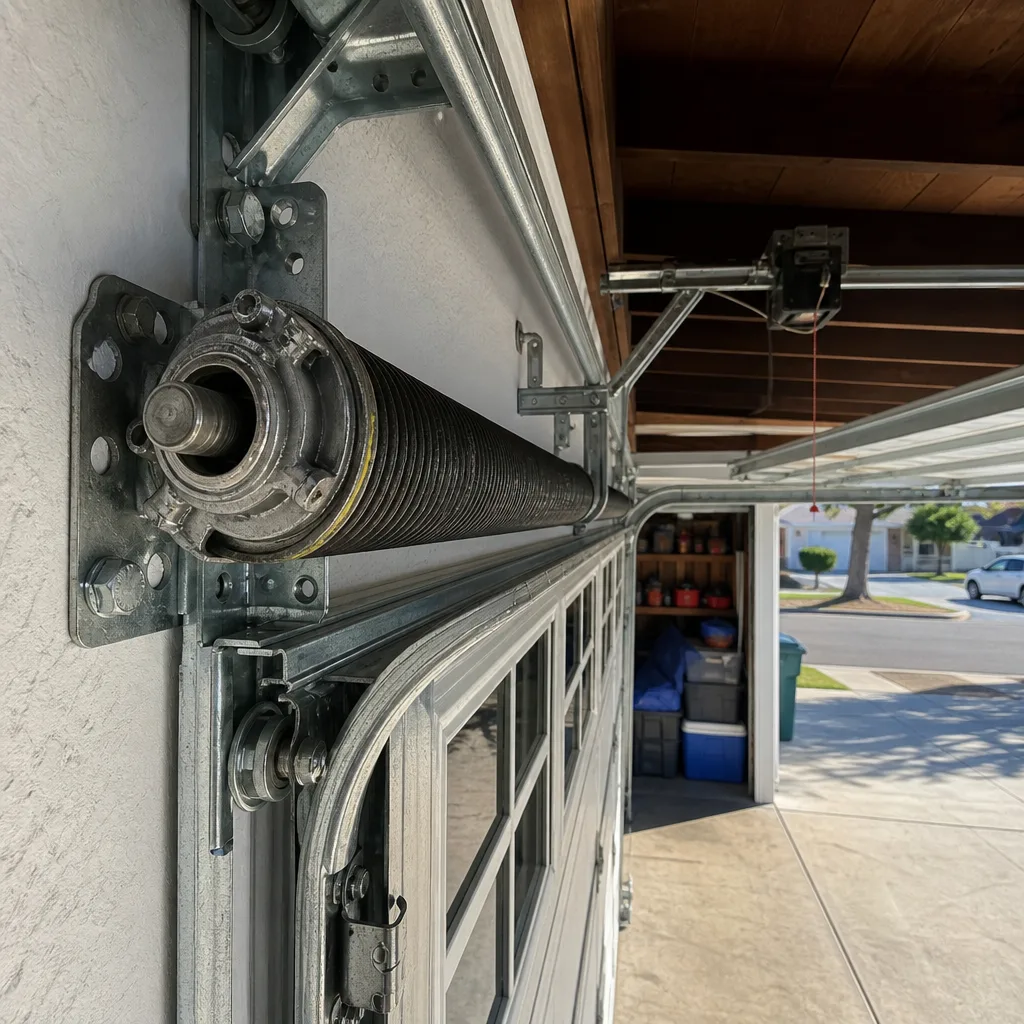 After
After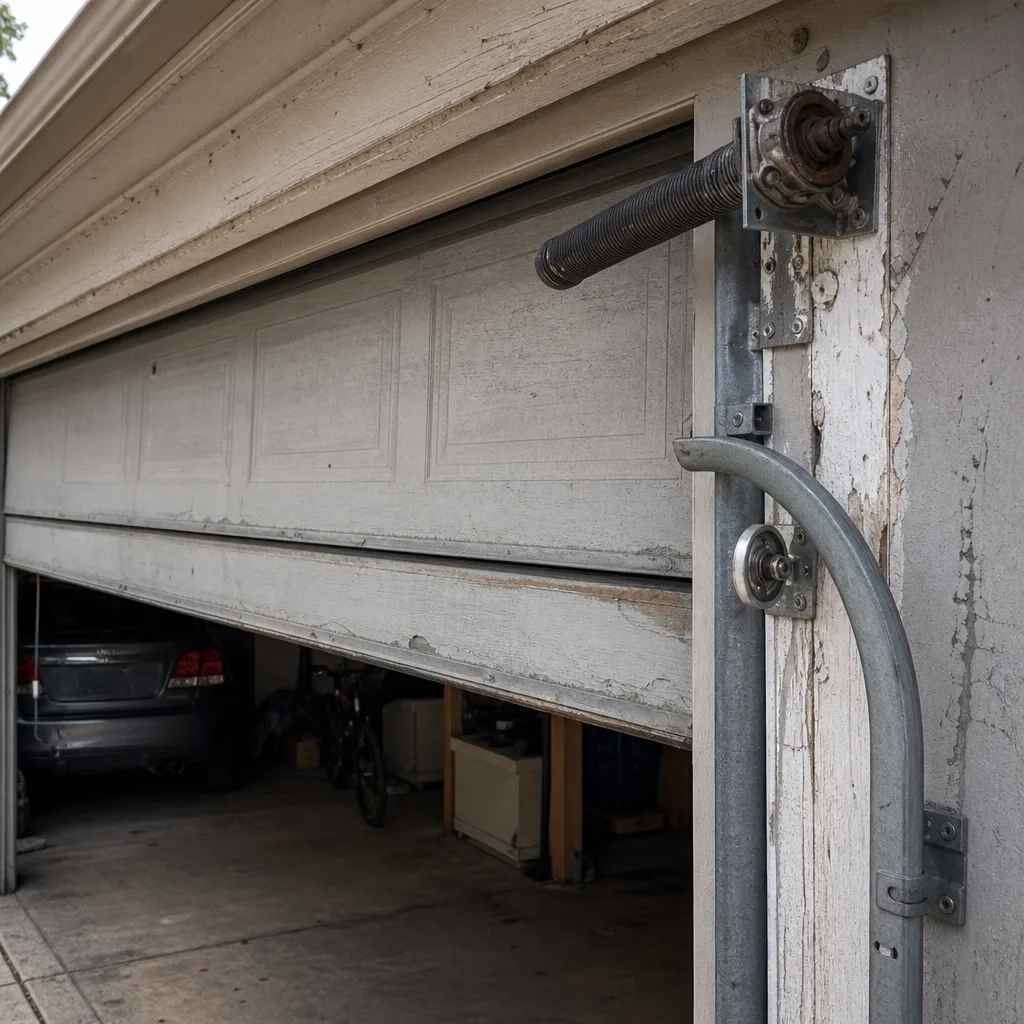 Before
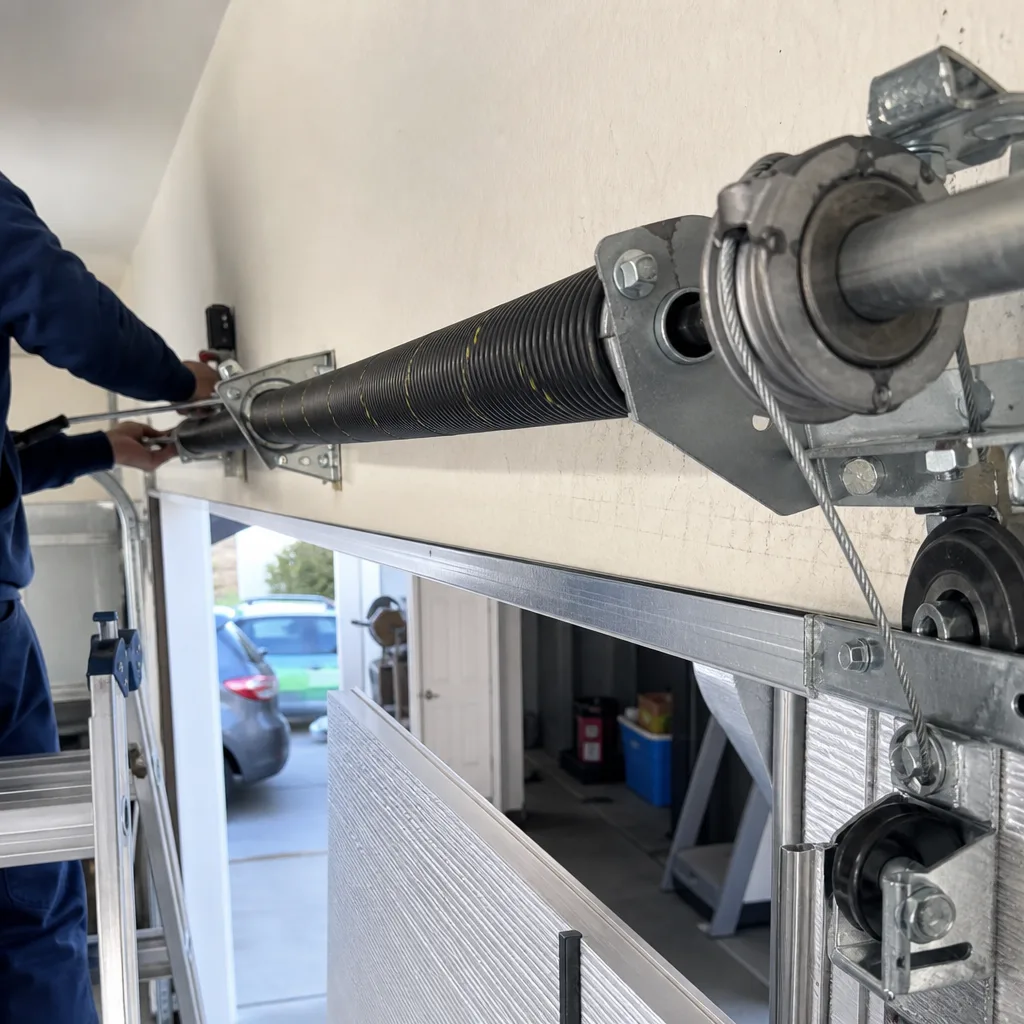 After
After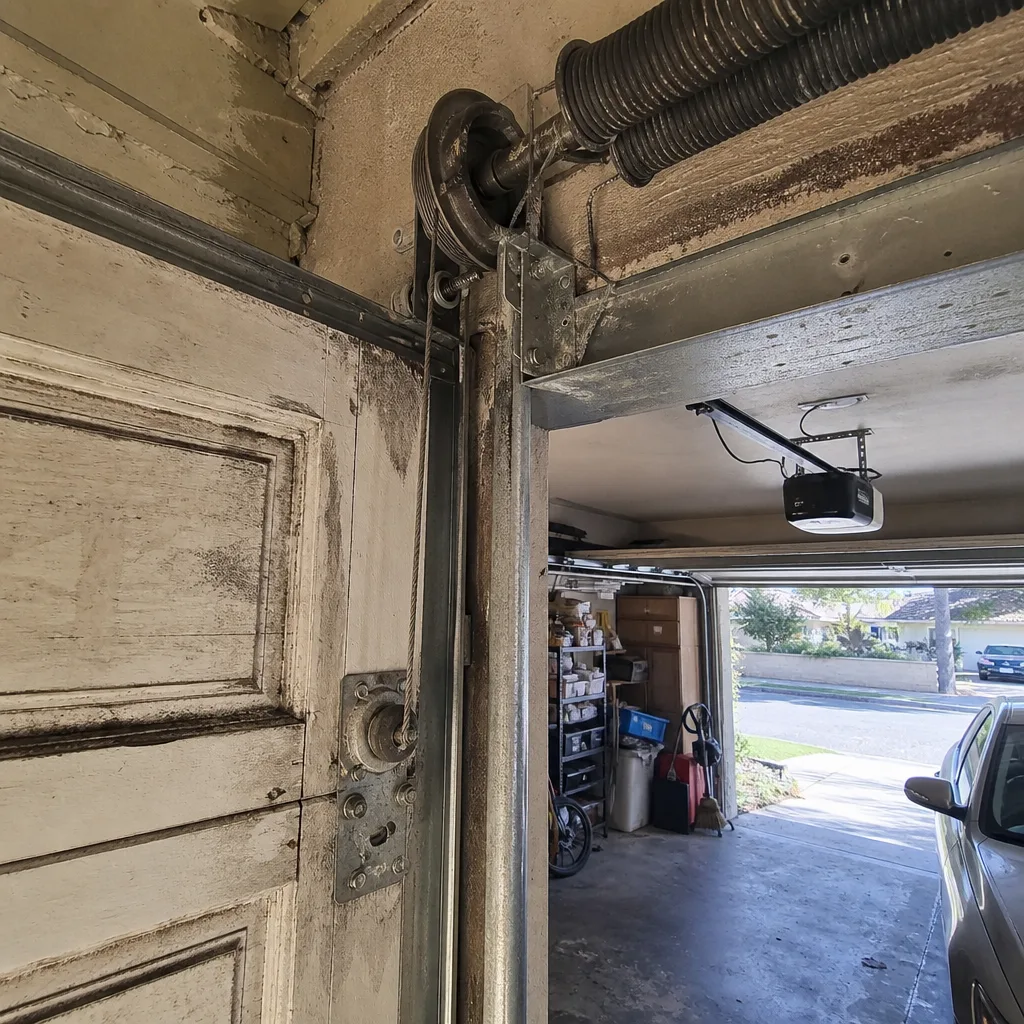 Before
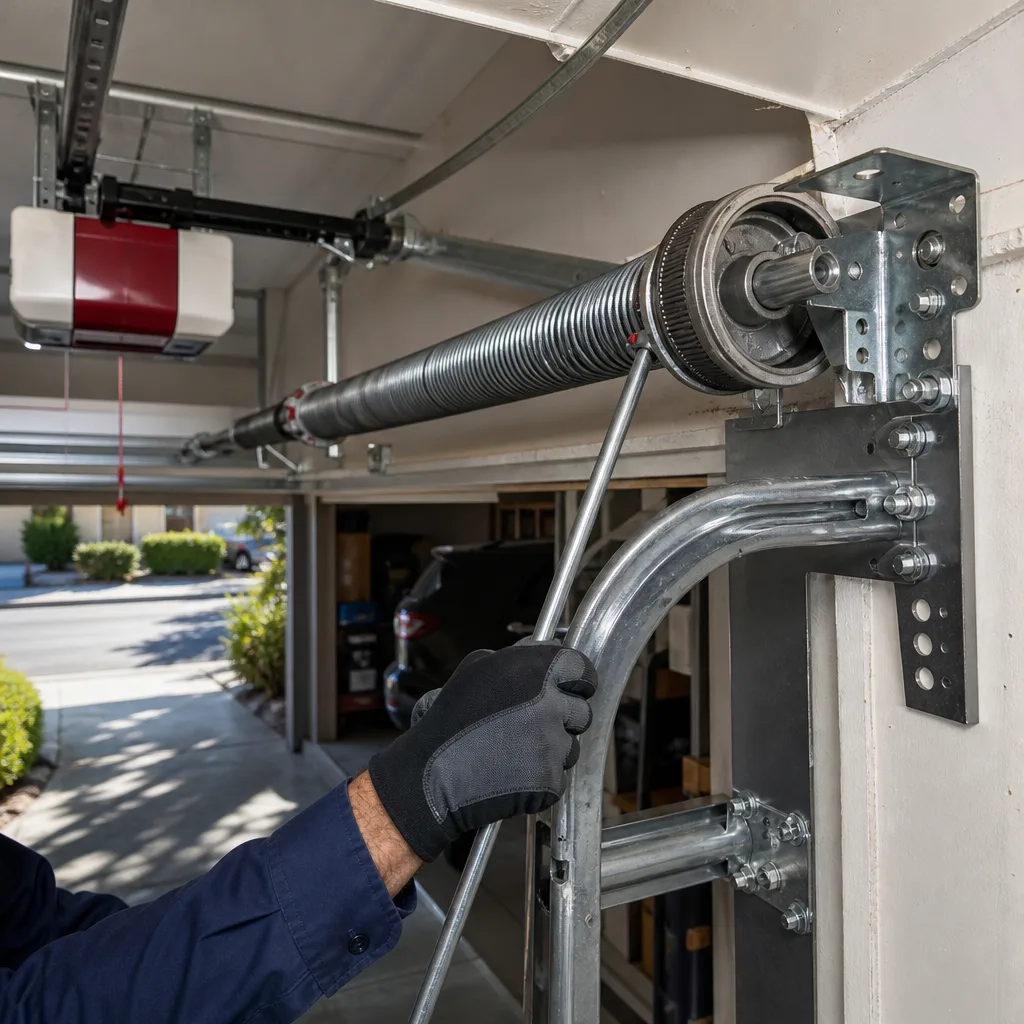 After
AfterGarage Door Cost Breakdown: The Tarzana Homeowner’s Reference for 2026
The $189 “spring special” that shows up in Tarzana Nextdoor posts usually means contractor-grade springs rated for 10,000 cycles. A door cycled 1,500 times a year will have those springs back out in under seven years, while the 25,000-cycle upgrade costs about $60 more upfront. This guide is built on real 2026 Tarzana market prices, not national averages that undercount California labor, and links to Garage Door Warning Signs: A Tarzana Homeowner’s Reference Guide for spotting trouble early. You’ll learn exactly where your money goes on the five most common garage door jobs, how to compare bids honestly, and the questions that separate a thin quote from one that won’t come back to bite you.
Quick Answer
In 2026, garage door repair costs in Tarzana, CA typically run $150 to $550 for most spring, cable, and roller fixes, while full door replacement lands between $1,200 and $3,200 depending on material, insulation, and hardware. The spread between a $700 job and a $2,400 job comes down to five specific variables: spring cycle rating, panel material, opener brand, code compliance hardware, and disposal fees. A trustworthy quote separates parts from labor and puts every one of those variables in writing.
Table of Contents
- Spring Replacement: The Cost Every Tarzana Homeowner Faces
- Cable and Roller Replacement: Small Parts, Real Labor
- Opener Swap: What a Quality Unit Actually Costs in 2026
- Full Door Replacement: The $700-to-$2,400 Gap Explained
- Why California Labor Runs 20-30% Above Midwest Averages
- Hidden Cost Triggers: Disposal, Permits, and Code Hardware
- The Cycle-Rating Math: What a Cheap Spring Really Costs Per Use
- Common Mistakes to Avoid
- When to Call a Professional
- Frequently Asked Questions
- The Bottom Line
Spring Replacement: The Cost Every Tarzana Homeowner Faces
Spring replacement is the most frequent garage door repair in Tarzana, and for good reason. The San Fernando Valley heat accelerates metal fatigue on torsion springs, and when one lets go, the sound is unmistakable. You’ll hear it inside the house. In 2026, spring replacement in Tarzana runs $180 to $340 for a standard torsion spring pair, parts and labor included. Extension springs on older doors run $150 to $280.
Parts break down like this: a standard 10,000-cycle torsion spring costs $40 to $70 per spring, while the high-cycle 25,000-cycle version costs $70 to $110 per spring. Labor typically runs $90 to $150 for a spring pair replacement, which includes setting the tension, balancing the door, and checking the full system. That labor number is not where you want to save money. A spring pair holds 200 pounds of door weight under tension, and a spring that’s wound wrong can send a winding bar through drywall or worse. We’ve repaired doors in Tarzana where a previous “budget” spring job left the door two inches off-level and the opener straining hard enough to burn out within a year.
When you get a spring quote, ask two questions. First: what cycle rating is on the spring? Second: does the price include both springs? A reputable shop always replaces springs in pairs because both have the same wear. If a quote only covers one spring, you’ll be back for the second one within months, and you’ll pay a second labor charge. For homeowners in the hills of Tarzana where doors run taller and heavier, expect to be quoted on the higher end of all these ranges. A 16-foot door with an 8-foot height uses heavier springs than a standard 7-foot door in a tract home south of Ventura Boulevard.
Cable and Roller Replacement: Small Parts, Real Labor
Cable replacement in Tarzana runs $150 to $260 for a pair, and this is one repair where the part price belies the labor involved. A cable costs $15 to $30. The labor is what you’re paying for, and it’s worth every dollar. Cables work alongside the springs to carry the door’s weight, and when one snaps, the door can drop unevenly and bind in the track. A diyer who loosens the wrong bolt on a cable bracket while the spring is loaded is dealing with a projectile, not a repair.
Roller replacement runs $120 to $200 for a full set of nylon rollers with sealed bearings. The rollers themselves are $8 to $15 each, and the labor includes removing each hinge, swapping the roller, and re-lubricating the tracks. If you hear your door grinding or squealing in the morning, that’s usually the rollers telling you they’re done. In Tarzana’s dry climate, steel rollers with open bearings get gritty fast. Nylon rollers with sealed bearings last years longer and run much quieter, which matters if your garage is under a bedroom in a two-story home off Reseda Boulevard.
The takeaway: these are not expensive parts, but they are labor-intensive replacements. A quote that seems high for “just a cable” is often the honest price. A quote that seems too low is usually the phone price that changes when the technician arrives and “finds” additional work. The difference is in how the quote was built. If the parts and labor are separated on paper, you can see exactly what you’re paying for before the work starts.
Opener Swap: What a Quality Unit Actually Costs in 2026
Garage door opener replacement in Tarzana runs $375 to $750 installed, depending on the unit and the drive type. That number includes the opener, all mounting hardware, safety sensor alignment, remote programming, and haul-away of the old unit. If you see a quote under $300 installed, the opener in that quote is almost certainly a no-name brand with a plastic gear train that won’t survive three years of daily cycling.
The brands worth paying for are the ones whose parts will still be available when the opener is ten years old. Garage Door Opener in Tarzana work we do centers on LiftMaster and Chamberlain because their parts distribution is deep and their DC motors run quiet enough for attached garages. We also still service Genie, Craftsman, and Raynor units that have been on the door since before the smartphone era. A chain-drive LiftMaster runs $200 to $280 for the unit alone; a belt-drive runs $280 to $380 and is dramatically quieter, which matters in Tarzana neighborhoods where homes sit ten feet apart and the garage faces a bedroom window. Labor for opener replacement runs $150 to $250, and it should include removing the old rail, mounting the new one, setting the travel limits, and testing the auto-reverse safety system.
Here’s the question that separates a thin quote from a real one: does the price include everything needed to complete the install, or is that the opener price only? A national chain might quote $199 for an opener and then bill $150 for “installation materials” at the door. Otto’s price is quoted on the phone and it does not change between the phone call and the driveway. That’s a L.O.C.A.L. value: Accountable, in writing, every time.
Full Door Replacement: The $700-to-$2,400 Gap Explained
A full garage door replacement in Tarzana runs $1,200 to $3,200 in 2026. The gap between a $700 quote and a $2,400 quote is not markup. It’s five specific variables that the cheapest bids hide in vague line items or omit entirely.
First: panel material and thickness. A single-layer steel door is a sheet of 24-gauge steel over a frame. It dents, it flexes, and it transfers heat straight into the garage. A triple-layer door sandwiches insulation between two steel skins. In Tarzana, where summer garage temperatures can hit 110 degrees, a single-layer door on an attached garage makes the adjacent laundry room or kitchen noticeably hotter. A quality 16×7 double-layer or triple-layer door runs $850 to $1,600 for the door alone, before installation.
Second: insulation value. The R-value on a garage door ranges from R-0 on an uninsulated single-layer to R-18 on a polyurethane-filled triple-layer door. For any attached garage in Tarzana, an insulated door pays for itself in comfort, and the cost difference is usually $300 to $500. It also cuts the noise from the street and the door’s own operation.
Third: hardware and track. A door rated for daily use needs heavy-gauge track, solid hinges, and a torsion spring system matched to the door weight. The cheapest quotes pair a heavy door with light hardware rated for a 90-pound door. That’s a recipe for cable wear and early spring failure.
Fourth: code compliance. Garage Door Permits, Codes & Inspections in CA: What You Need to Know covers how California Title 24 energy standards and local building codes require certain hardware on new door installations, including tamper-resistant bottom brackets and properly rated reinforcement struts. A quote that doesn’t mention code compliance is a quote that plans to skip it. Skipping it means the door won’t pass inspection if you sell the house.
Fifth: disposal. Your old door weighs 150 to 400 pounds and it’s full of metal, glass, and in some cases, old springs under tension. Hauling it away legally costs $85 to $150. Many quotes omit this line and add it at the end. For the full picture on what a new door should include, start with our Garage Door Installation in Tarzana guide, which walks through the entire process from measure to final inspection.
Why California Labor Runs 20-30% Above Midwest Averages
National cost guides will tell you a spring replacement averages $150 nationwide. In Tarzana, the honest number is $180 to $340. The reason is not greed. California labor runs 20 to 30 percent above Midwest averages because of real costs that don’t appear on a national chart: workers’ compensation insurance rates in California are among the highest in the country, commercial auto insurance in Los Angeles County is expensive because of traffic density, and the cost of living for a trained technician who can actually diagnose a door problem is what it is. When you see a “beat any quote by $100” promise, ask yourself where that savings comes from. In most cases, it comes from the labor line, which means the person on your door is being paid less, is less experienced, or is in a hurry.
There’s a second factor: trucks. A garage door service truck carries $8,000 to $15,000 in springs, openers, cables, and hardware. Someone has to pay for that inventory to sit on the truck so that when your spring lets go at 9 p.m. on a Tuesday, the part is there. Companies that quote below market either don’t carry the inventory and have to make a second trip, or they install whatever is on the truck whether it’s the right part for your door or not. Otto’s Garage Door Repair in Tarzana work is priced honestly because Otto carries the parts on the truck, quotes on the phone, and holds that number when he arrives. A door is 200 pounds riding on two springs. Respect it, and respect the person you’re trusting to handle it.
Hidden Cost Triggers: Disposal, Permits, and Code Hardware
Every honest quote answers the same four questions. A quote that doesn’t answer them is a bid built on omissions, and the omissions become change orders. Here is what to ask about before any work starts:
- Disposal fees for the old door. A full door replacement produces 150 to 400 pounds of steel, glass, and hardware. Haul-away costs $85 to $150 in Los Angeles County. Is it in the quote, or is it a surprise line item at the end?
- Permit costs. Most spring, cable, and opener replacements in Tarzana don’t require a permit. A full door replacement that changes the opening size or involves structural work might. For standard same-size replacements, no permit is needed, but the install should still meet current code. Ask whether the quote includes code compliance hardware like tamper-resistant brackets. A quote that’s $200 cheaper because it skips that hardware will cost you more at resale.
- Hardware to bring the install up to code. California energy code and local building standards require specific bottom brackets, struts, and reinforcement on new doors. These parts cost $40 to $120. A bid that omits them is bidding against a code-compliant install, not an apples-to-apples comparison.
- Whether the quote includes the full opener system. Some door quotes price the door and track but leave out the opener, the photo eye sensors, or the wall control. A complete door quote should state exactly what’s included, down to the weather seal on the bottom.
The rule of thumb: if a written estimate has fewer than six line items, it’s summarizing something. A real quote lists the door, the hardware, the springs, the track, the labor, the disposal, and any code hardware separately. Request that breakdown. A contractor who can’t or won’t provide it is planning to define “scope” differently than you would. Otto’s Free Second Opinion on any written estimate exists for exactly this reason. Bring us any bid from any company and Otto will tell you line by line where it’s thin, what it’s missing, and what a fair price actually looks like. No trip charge inside the county.
The Cycle-Rating Math: What a Cheap Spring Really Costs Per Use
A garage door spring is rated by how many open-and-close cycles it’s built to survive before metal fatigue snaps it. The rating isn’t marketing. It’s a mechanical specification, and it’s the single biggest determinant of whether your spring lasts five years or fifteen. Here’s the math every Tarzana homeowner should do before accepting a spring quote:
- Estimate your cycles per year. The average family cycles their garage door 3 to 5 times per day. That’s 1,100 to 1,825 cycles per year. A two-car household with kids coming and going in a Tarzana neighborhood with school drop-offs can easily hit 2,000 cycles annually.
- Divide the spring’s cycle rating by your annual cycles. A 10,000-cycle spring at 1,500 cycles per year gives you about 6.7 years. A 25,000-cycle spring gives you 16.7 years. A 35,000-cycle spring gives you over 23 years.
- Divide the installed price by the years of service. A $250 spring replacement with 10,000-cycle springs costs about $37 per year. A $310 replacement with 25,000-cycle springs costs about $19 per year over its lifespan.
- Factor in the cost of a second emergency call. When the 10,000-cycle spring snaps six years from now, you’re paying a second labor charge, and if it snaps on a Saturday night, you’re paying weekend emergency rates. That’s $150 to $250 you wouldn’t have spent on the high-cycle spring.
We count spring cycles the way you count tire miles. When Otto replaces your springs, he can tell you what’s left on the old ones and what the new ones are rated for. Most doors in Tarzana leave the factory with 10,000-cycle springs. When we replace them, we recommend the 25,000-cycle upgrade because the math is unambiguous. The upgrade costs about $60 more in parts and it more than doubles the service life. That’s not an upsell. That’s a mechanical fact, and Otto will write it on the invoice.
Common Mistakes to Avoid
- Accepting a quote that doesn’t separate parts from labor. A bundled number hides where the value is or isn’t. Without a parts-versus-labor breakdown, you can’t compare a $250 spring quote to a $310 spring quote. One may include high-cycle springs and the other contractor-grade. You can’t tell from the total.
- Choosing a door based on the door panel price only. The door is one component. Track, springs, hardware, and installation typically add $400 to $800 to a door quote. Shopping the door panel alone is like pricing a roof by the shingle bundle while ignoring the underlayment and the labor.
- Skipping the cycle-rating question. Every spring has a rated life. If the quote doesn’t state it, the springs are almost certainly 10,000-cycle. In Tarzana’s climate, that’s a seven-year part. For sixty dollars more, you can double that lifespan. If the question is never asked, the cheap spring is what you’ll get.
- Letting a national chain be the only name on a quote. When the estimator is paid on commission, the quote is built around the commission. When the technician is paid hourly and routed from a call center three states away, the incentive is speed. Ask for the name of the person who will do the work, and check that it matches the name on the license.
- Deferring a frayed cable or a squealing roller. A cable with one broken strand is a cable that will fail soon, and a cable failure with the spring loaded can drop the door unevenly and bind it in the track. The $180 cable replacement you schedule is cheaper than the $450 repair you beg for at 10 p.m.
- Not asking about the opener brand by name. “Professional-grade opener” is a phrase that means nothing. LiftMaster, Chamberlain, Genie, Raynor, and Craftsman are real brands with parts available. A no-name opener is a doorstop waiting to happen. Ask for the model number, then look up the parts availability.
When to Call a Professional
Call a professional the moment you hear a loud bang from the garage, see a visible gap in a spring, or notice the door is heavier than usual when you lift it manually. These are signs the spring has failed or is failing, and a garage door spring under tension is not a DIY repair. A spring can release enough energy to seriously injure or kill a person who doesn’t know how to wind it safely. Beyond springs, call before the problem becomes an emergency: our Garage Door Repair Maintenance Checklist for Tarzana Homeowners covers frayed cables, a door that shakes on the way up, an opener that reverses for no reason, or a door that’s off-level. In Tarzana’s heat, these problems don’t self-resolve. They accelerate. Otto’s Garage Door offers free estimates in Tarzana - call (818) 431-2466 and a live person answers, 24/7.
Frequently Asked Questions
Spring replacement in Tarzana runs $180 to $340 for a standard torsion spring pair, with high-cycle 25,000-cycle springs on the upper end. The price includes both springs, labor, tension setting, and door balancing. Call (818) 431-2466 for an exact quote on your specific door, free of charge.
California labor rates run 20 to 30 percent above Midwest averages due to higher workers’ compensation insurance, commercial auto insurance, and the cost of employing a trained technician in Los Angeles County. National cost guides undercount these local realities. When comparing bids, ask whether the quote reflects California labor and California code compliance.
A complete replacement quote includes the door panel, track, springs, hardware, labor, code compliance hardware like tamper-resistant brackets, and disposal of the old door. If a quote has fewer than six line items, it’s hiding something. Ask for the breakdown. If they won’t provide it, get a second opinion.
Yes. Most spring replacements in Tarzana are completed the same day, and the parts are carried on the truck. Otto’s Garage Door answers calls live around the clock and quotes the job on the phone, so you know the price before the truck arrives. The price quoted is the price you pay.
Not with Otto’s Garage Door. The price quoted on the phone is the price you pay at the door. If additional work is needed, it’s quoted and approved in writing before anything is done. No surprises, no change orders, no “installation materials” added at the end.
Yes. Otto’s trucks carry a full inventory of springs, cables, rollers, openers, and hardware for LiftMaster, Chamberlain, Genie, Wayne Dalton, Craftsman, and Raynor doors. Most repairs are completed in one visit. Call (818) 431-2466 and a live person will tell you exactly what’s on the truck for your door.
The Bottom Line
The price gap between a $700 garage door job and a $2,400 one in Tarzana is not random and it’s not markup. It’s five variables: spring cycle rating, panel material, opener brand, code hardware, and disposal. A cheap quote is cheap because it omits one or more of those variables, and the omission becomes a change order at the door. A fair quote separates parts from labor, states the spring cycle rating, names the opener brand, includes code compliance, and covers disposal in writing. Since 2004, Otto’s Garage Door has quoted every job that way, and the 90-Day Done Right Promise is written on every invoice. Otto is a palindrome: reads the same from either end, same as the door. Call (818) 431-2466 for a free estimate, and Otto’s Garage Door home is where you’ll find the license number, the address, and the person who answers the phone.
Written by Otto Reinhardt, Owner at Otto’s Garage Door, serving Tarzana since 2004. Explore more guides & resources on keeping your garage door safe and reliable.