
Last updated September 10, 2026
Full 25-point door and opener safety check with every visit - springs, cables, rollers, tracks, and your LiftMaster or Chamberlain opener included
You get a price before we start. It does not change when the truck arrives.
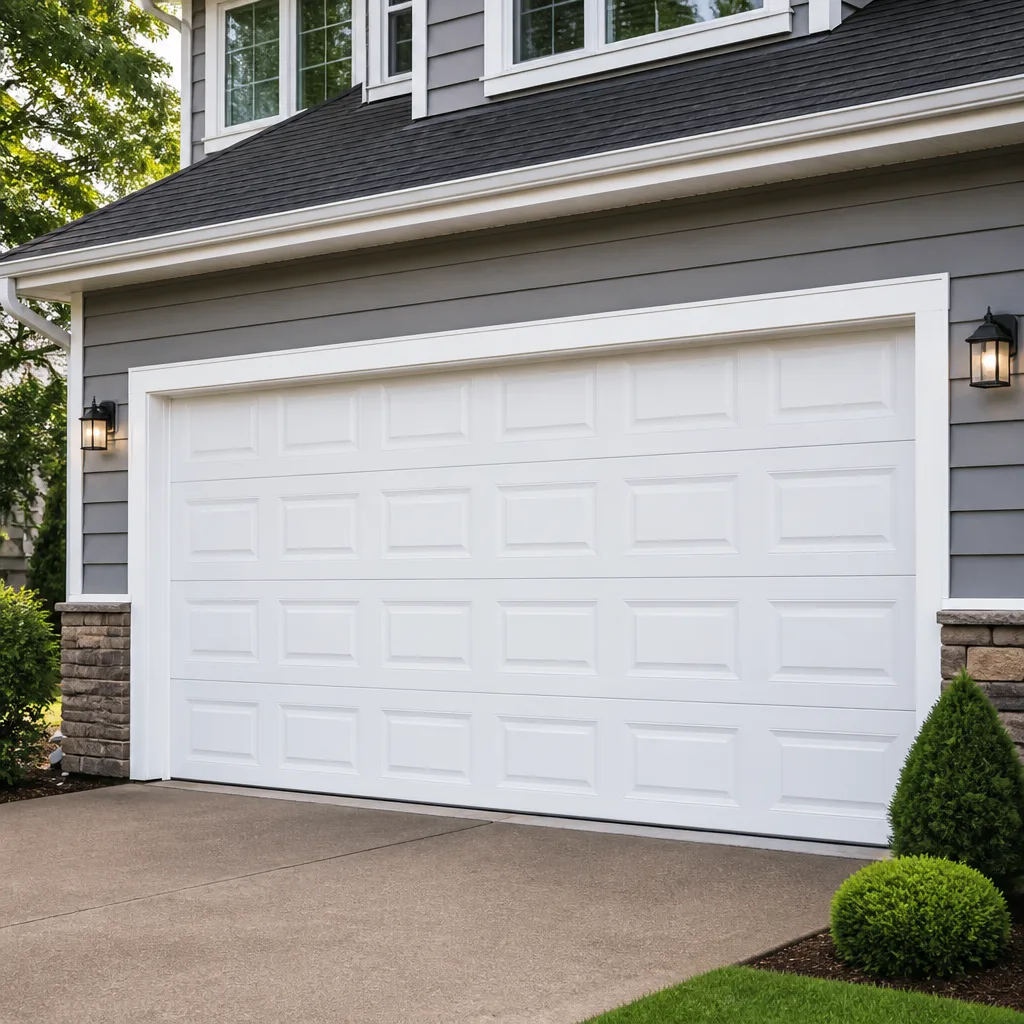
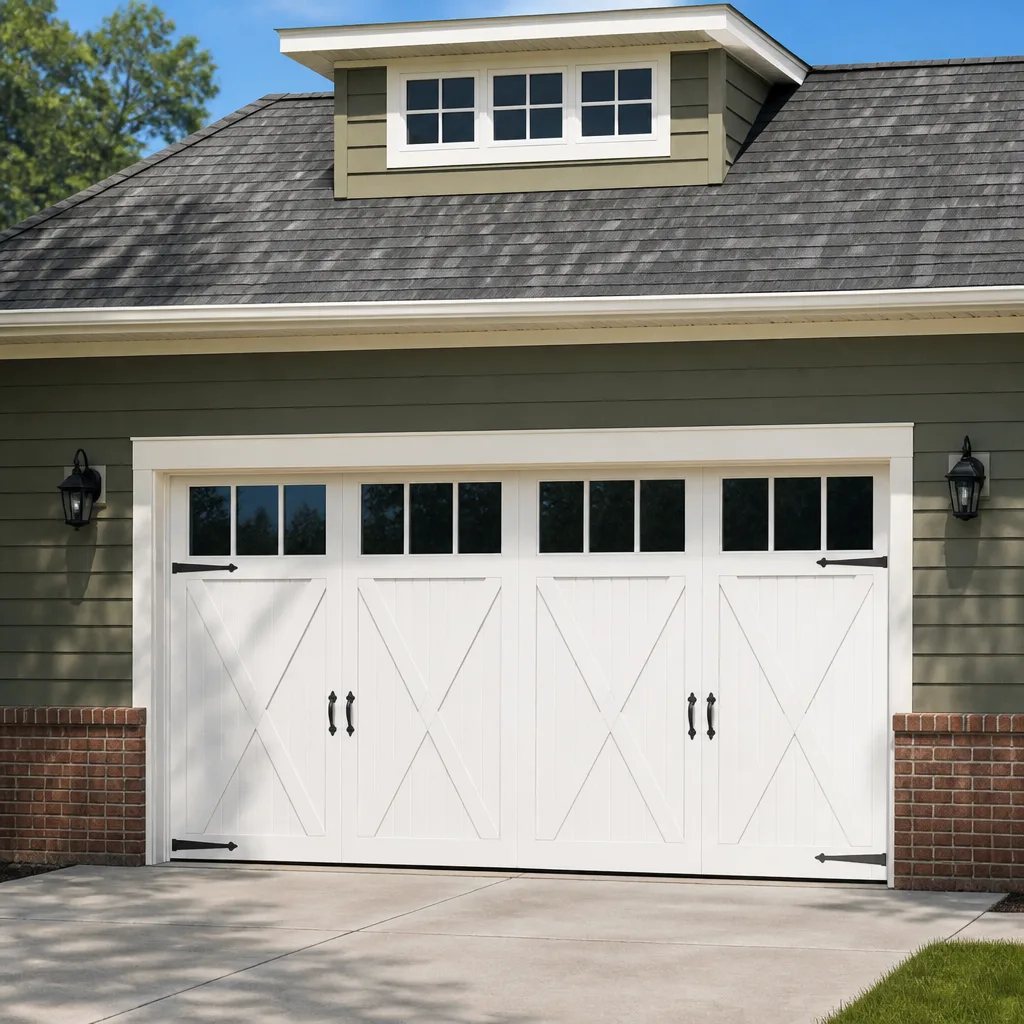
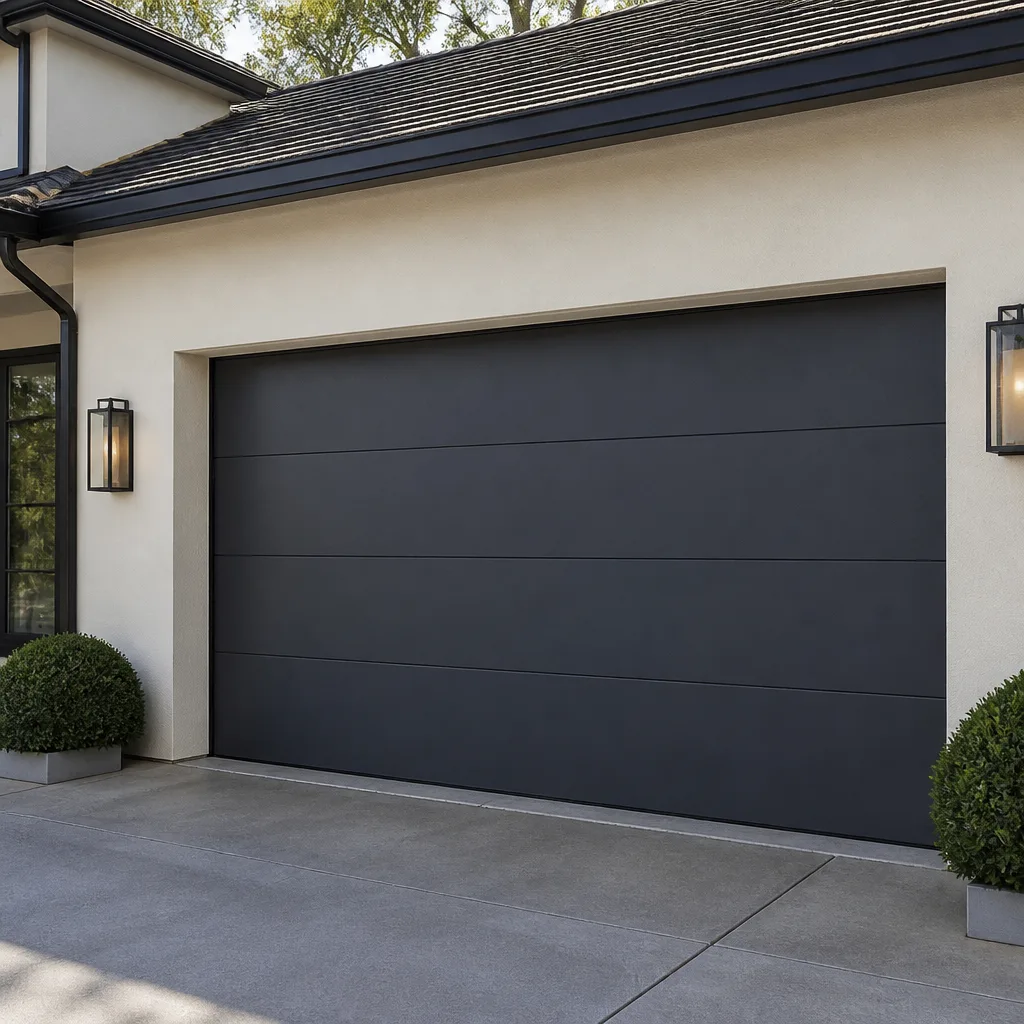
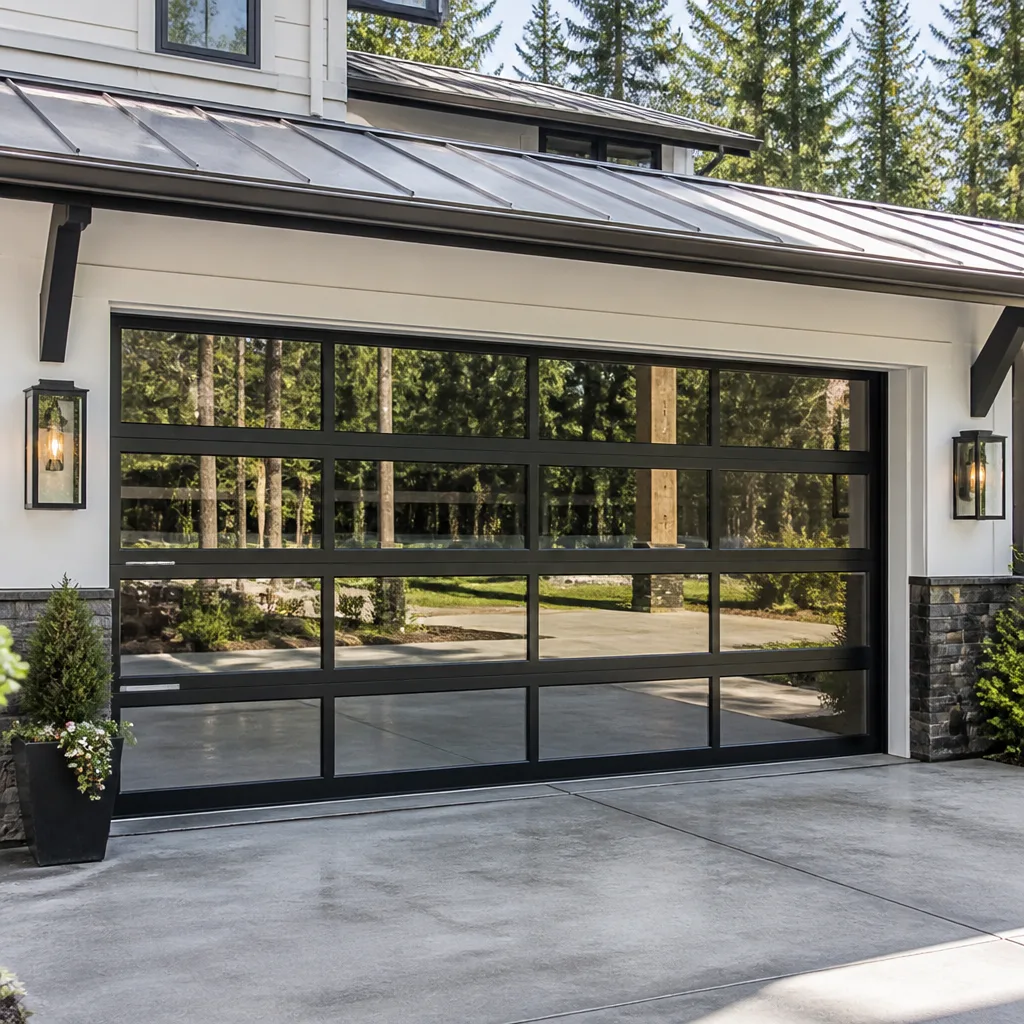
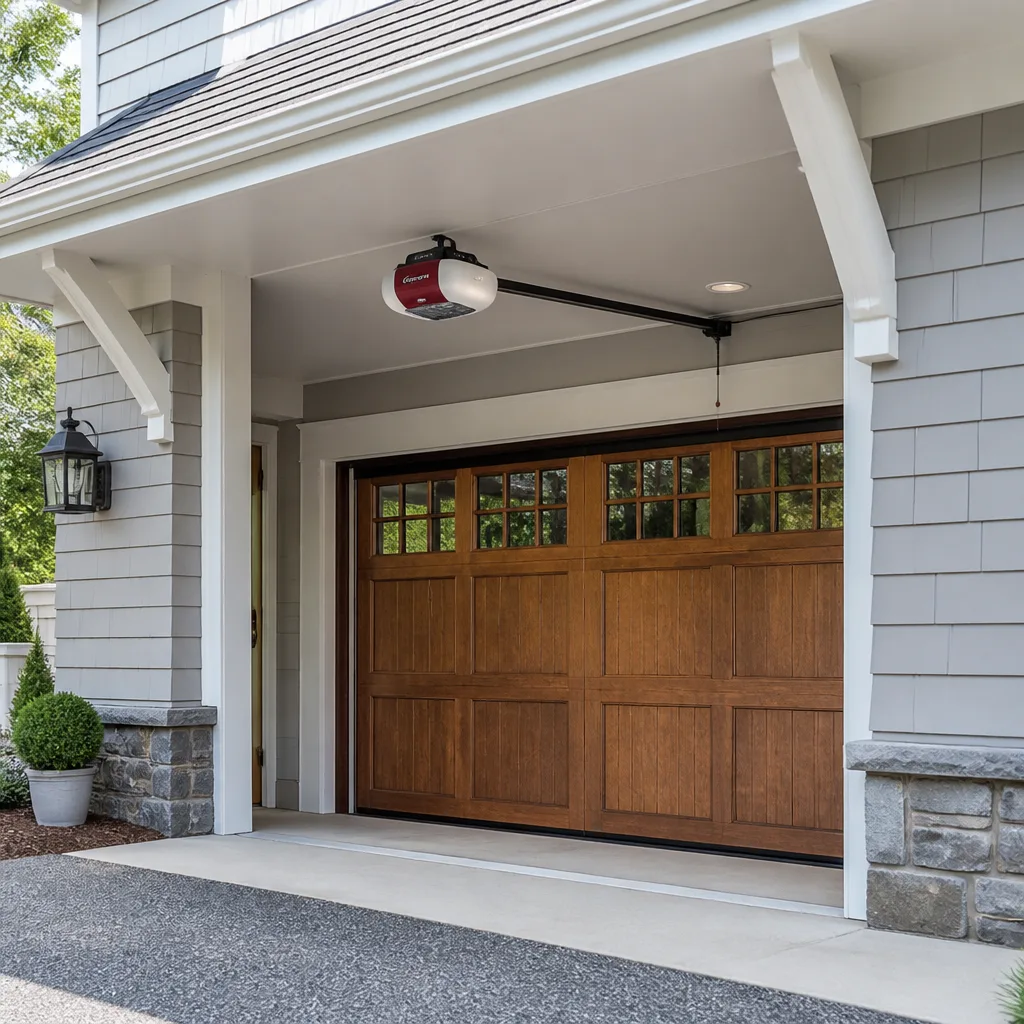
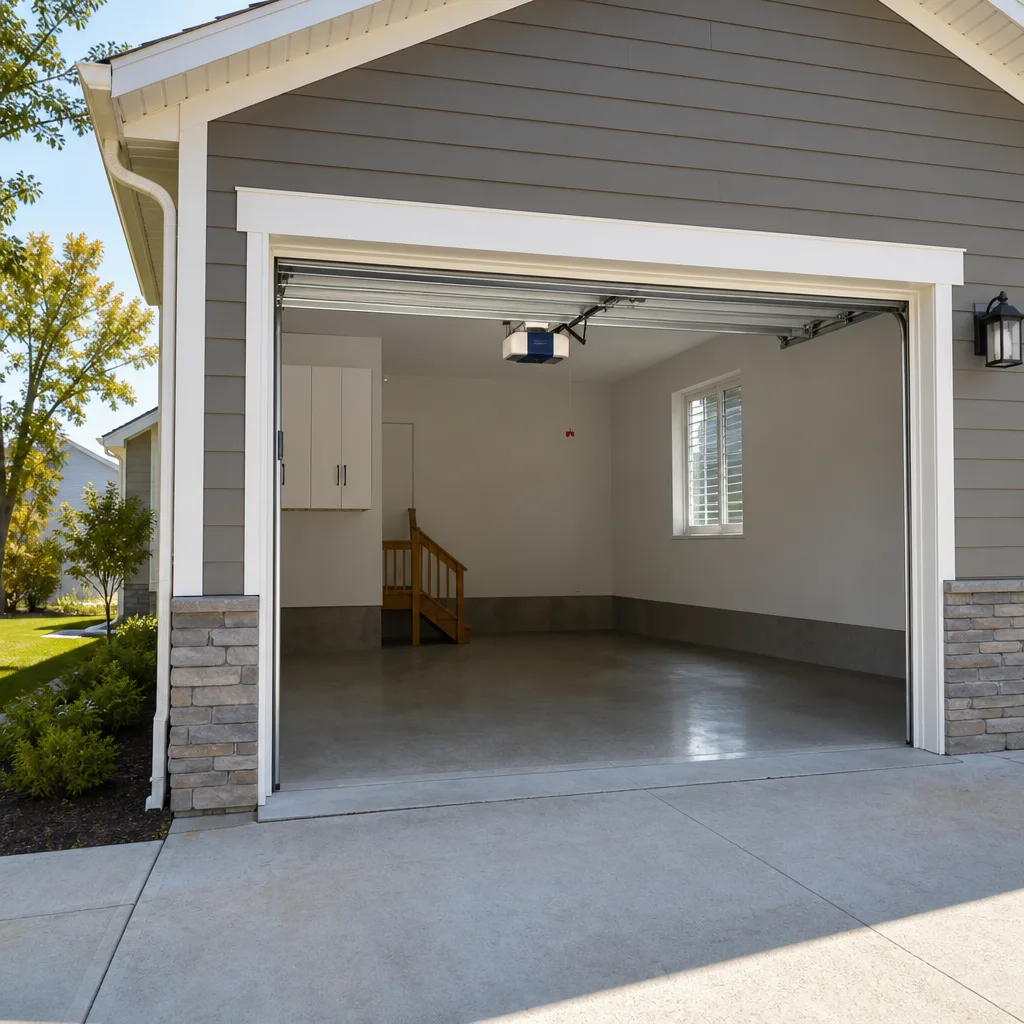
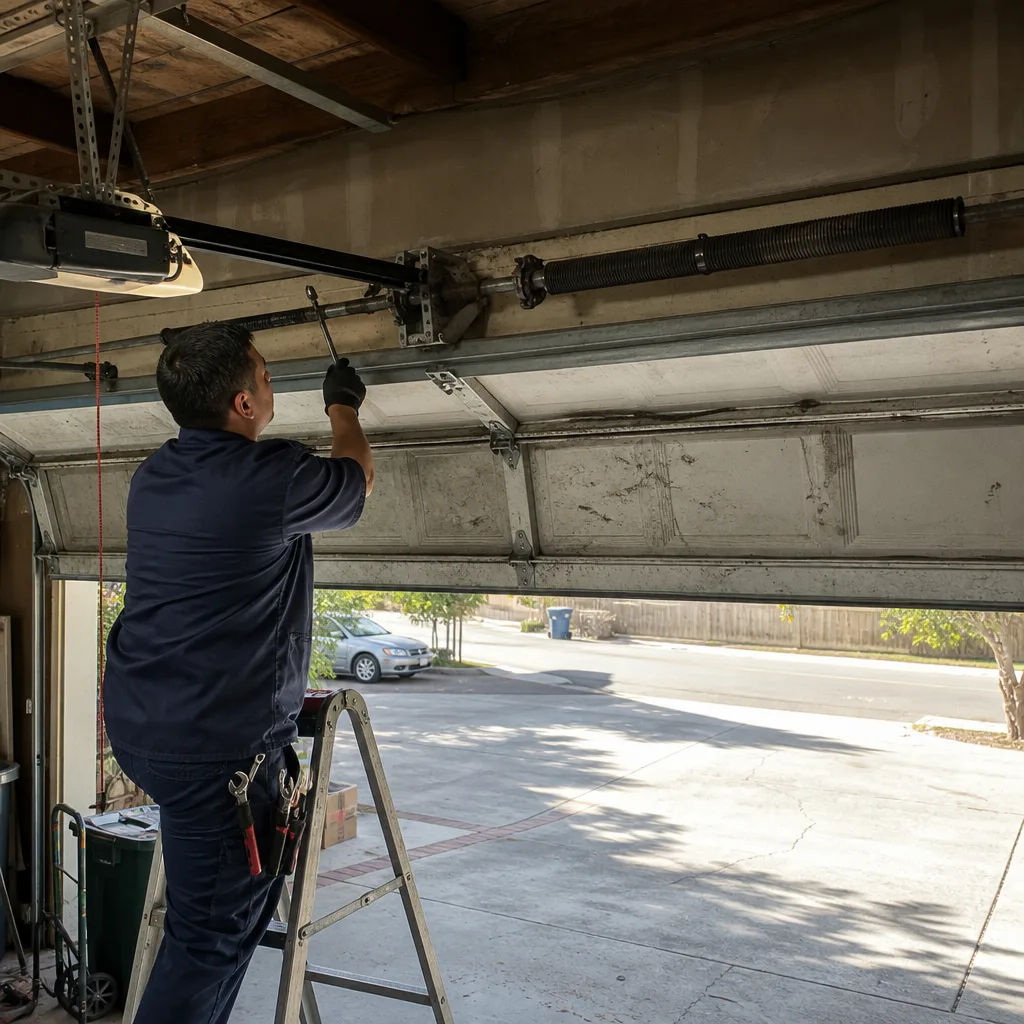 Before
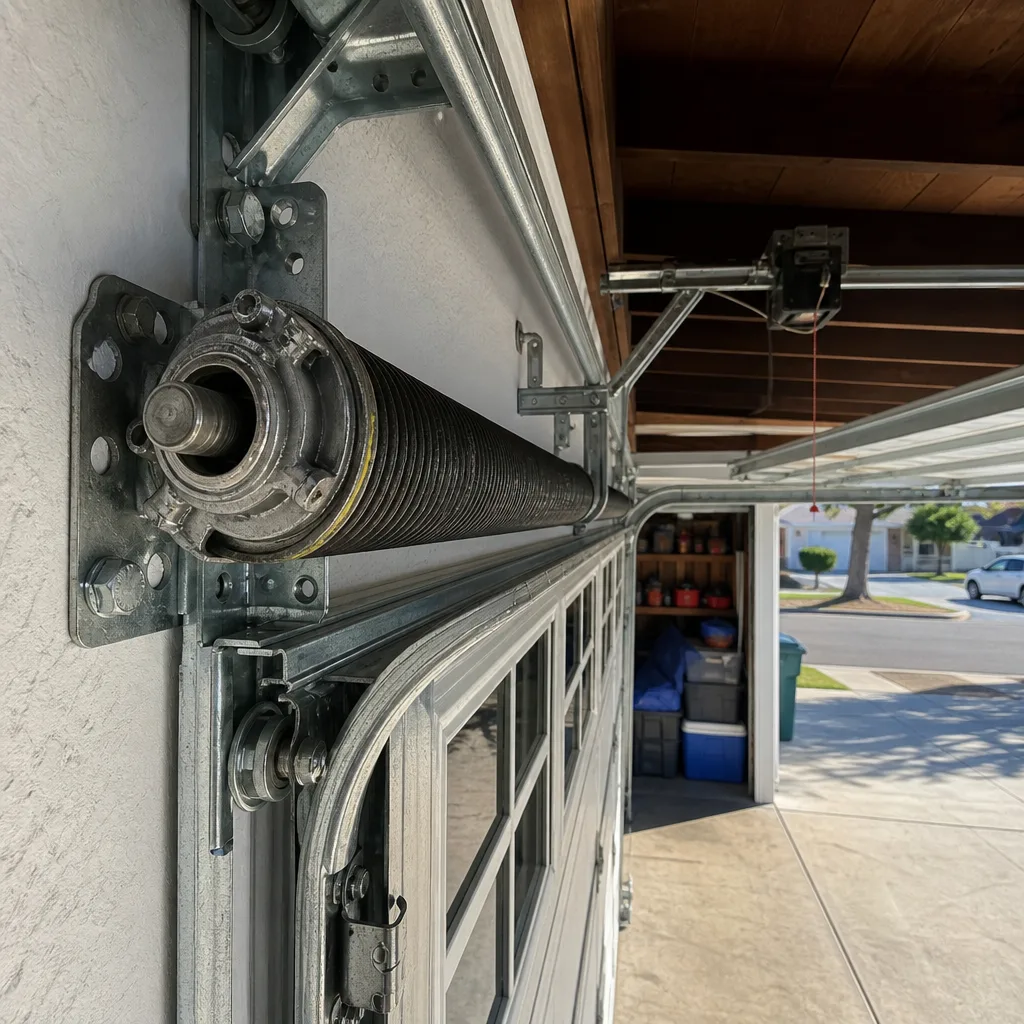 After
After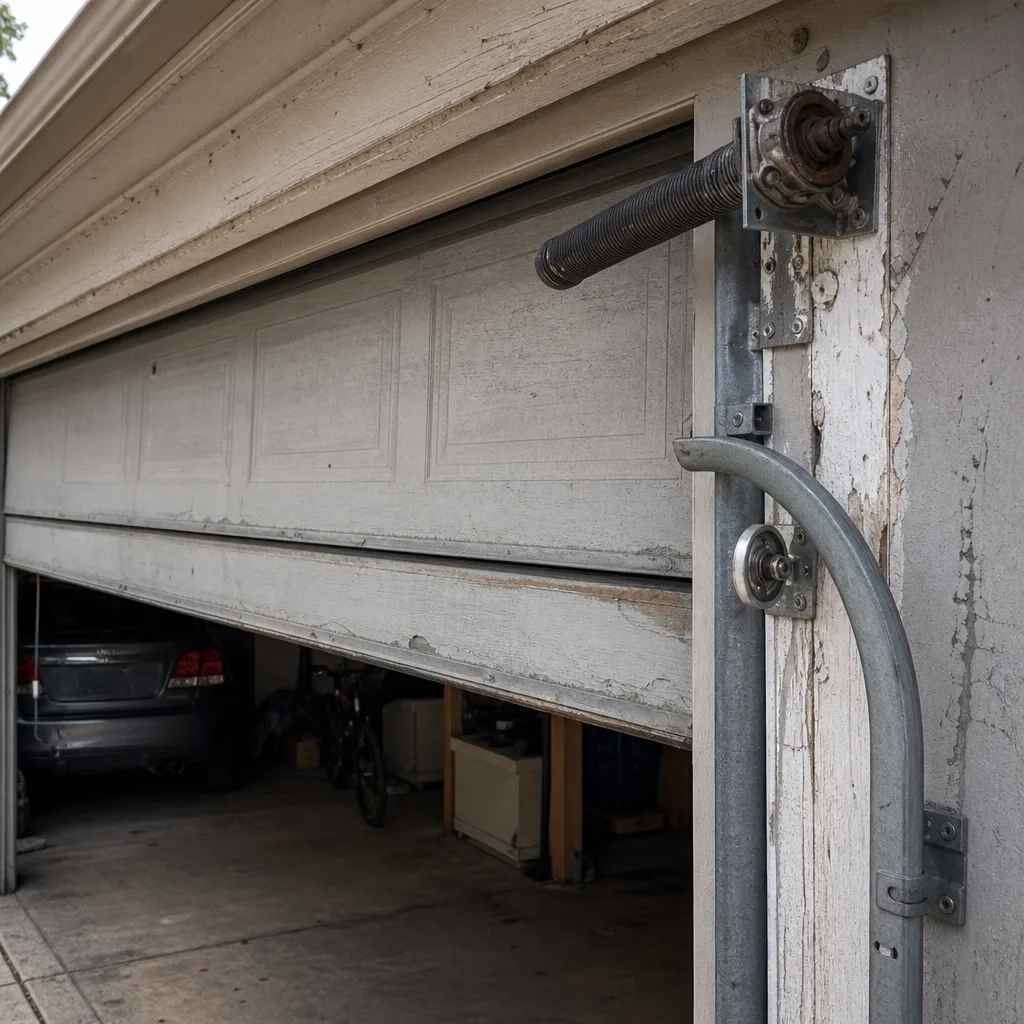 Before
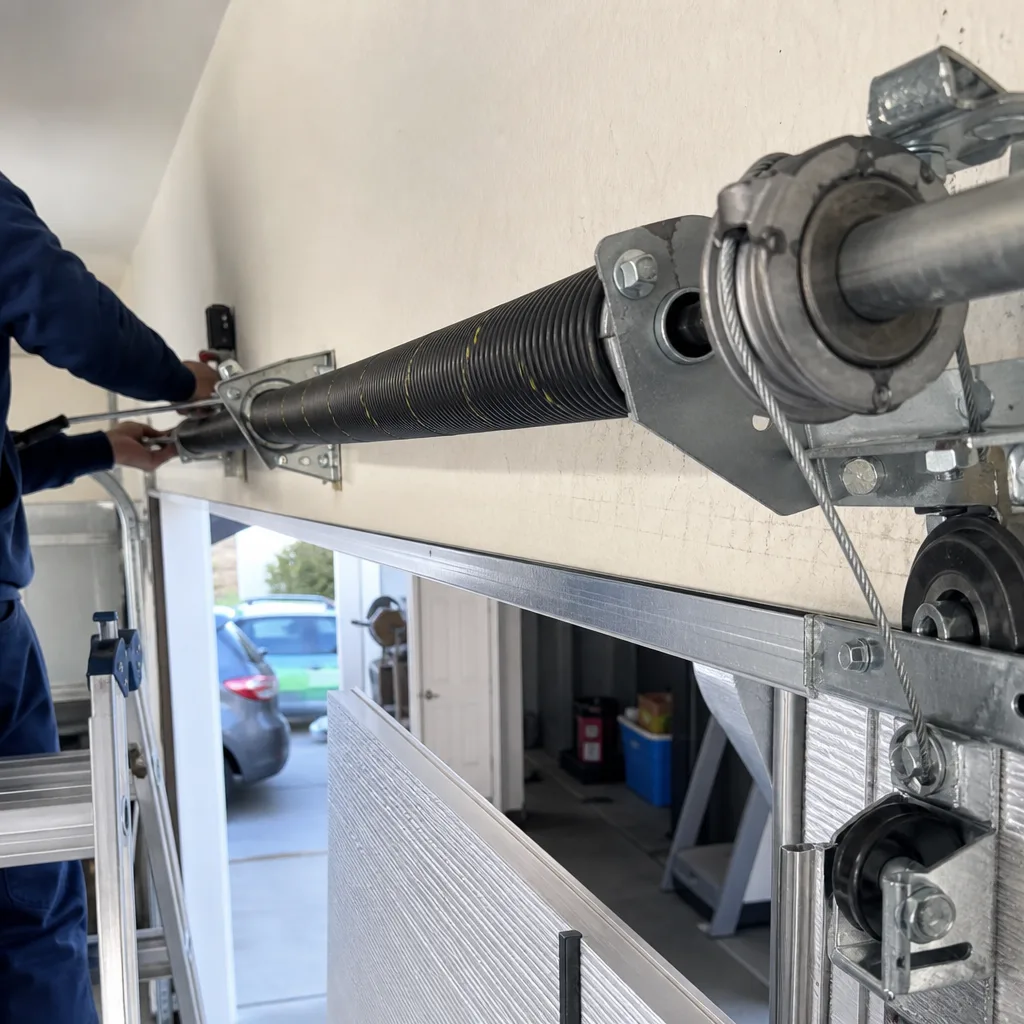 After
After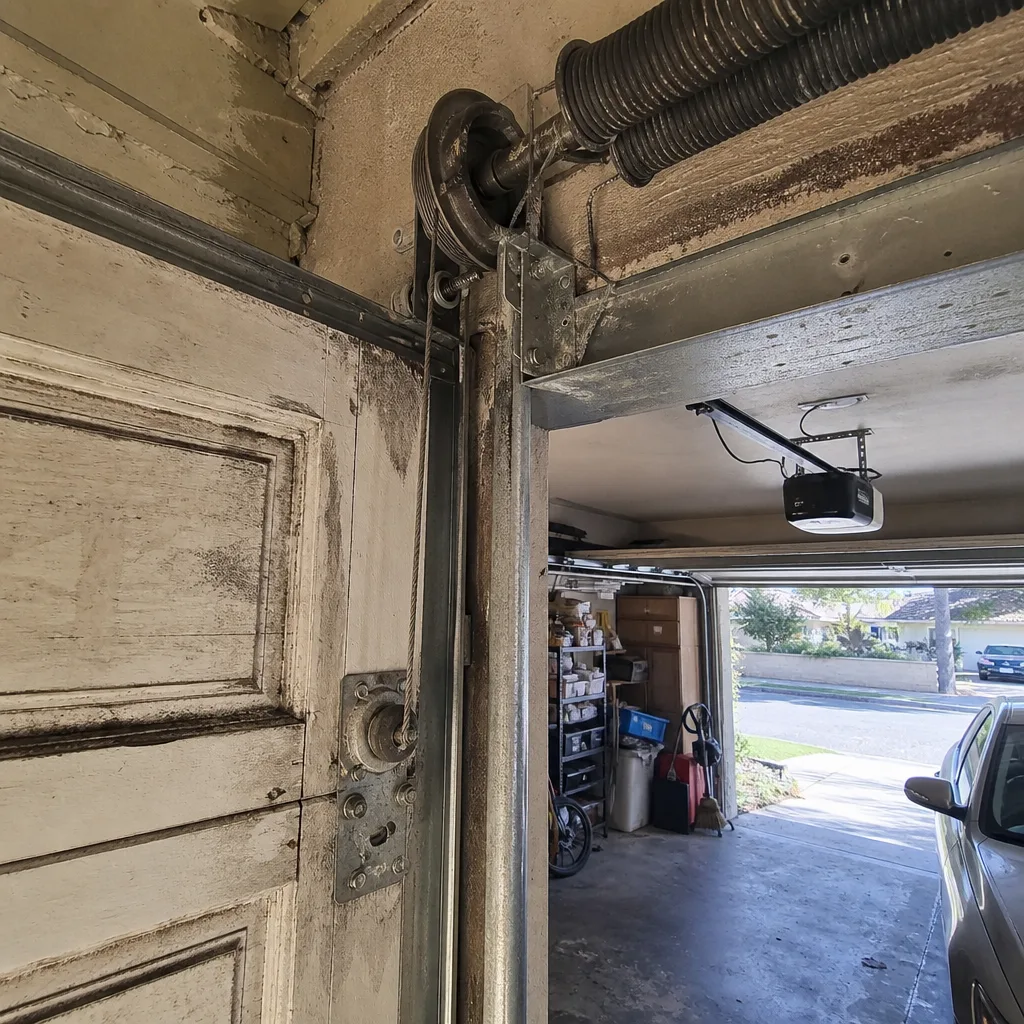 Before
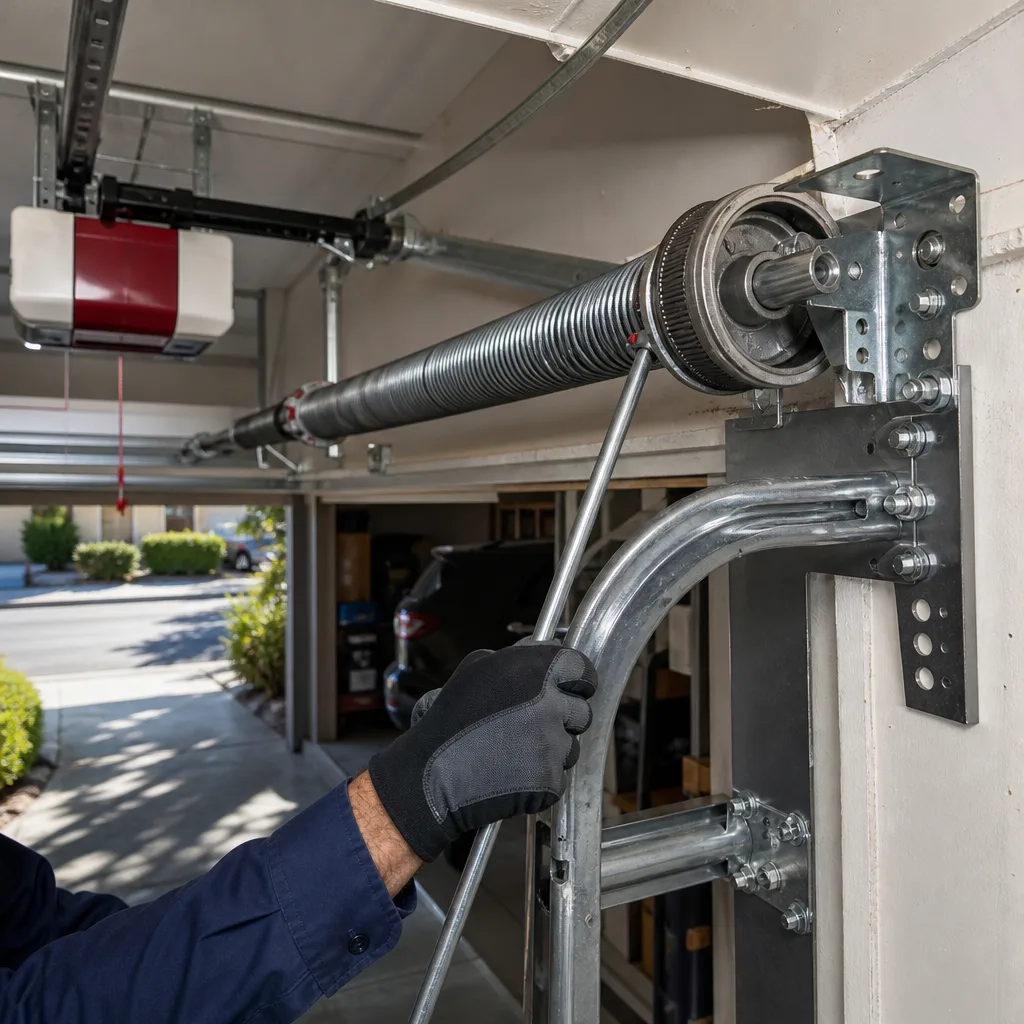 After
AfterThe Complete Guide to Garage Door in Tarzana
The average Tarzana garage door opens and closes about 1,500 times a year. That’s 1,500 cycles of tension on two springs, 1,500 passes over rollers and tracks, and 1,500 chances for a cable to fray or a bolt to loosen. Most homeowners couldn’t tell you the last time anyone looked at any of it. This guide walks you through every decision a Tarzana homeowner actually faces, from HOA color restrictions near Reseda Boulevard to the August heat that warps steel doors on south-facing driveways, and what it all costs when you get it wrong.
Quick Answer
Garage door decisions in Tarzana come down to three things: choosing a door that survives San Fernando Valley heat, following HOA rules that vary by neighborhood, and maintaining the springs and cables before they fail. A quality sectional steel door with proper UV-resistant finish costs $1,200 to $3,800 installed, while spring replacement runs $180 to $340 and takes under an hour. The door is the largest moving part of your house and the most common entry point for break-ins, so treat it like the structural component it is, not an afterthought.
Table of Contents
- Tarzana HOA Rules: What You Can Actually Install
- Why Tarzana Heat Changes Your Door Specs
- Sectional, Roll-Up, or Carriage: Real Lifecycle Costs
- Permits in Tarzana: When You Need One and When You Don’t
- How to Read a Garage Door Label for Seismic Load Rating
- Springs, Cables, and the Maintenance Schedule Nobody Follows
- Opener Choices for Tarzana Homes: What Actually Matters
- Common Mistakes to Avoid
- When to Call a Professional
- Frequently Asked Questions
- The Bottom Line
Tarzana HOA Rules: What You Can Actually Install
Before you pick a door, you need to know what your neighborhood will let you put in. Tarzana is not one HOA. It’s a patchwork of homeowner associations, and the rules change dramatically from street to street. The gated pockets east of Reseda Boulevard and the communities around Tampa Avenue tend to enforce stricter architectural standards than the older ranch-style blocks west of Corbin.
Most Tarzana HOAs restrict you to one of three finish families: white, almond, or wood-tone. You will rarely see a black door approved in a gated Tarzana community because the architectural committees consider it visually disruptive against stucco. Carriage-house styles are generally permitted if they match the home’s era, but a modern aluminum-and-glass door on a 1960s ranch will get rejected almost every time.
Here is what to do before you buy:
- Pull your CC&Rs and find the architectural review section. If you do not have a copy, ask your HOA management company. In California, they are required to provide it.
- Look for the word “prevailing” or “compatible” in the finish language. That means your door must match the general look of homes on your street, not just your own taste.
- Take three photos: your current door, your neighbor’s door on each side, and the street view of your house. Submit these with any application.
- Get written approval before ordering. Some Tarzana HOAs take 30 to 60 days to review, and a door ordered before approval is a door you may have to return.
We have seen homeowners in Tarzana lose $1,500 on a door that got rejected because the panel style was “too contemporary” for a mid-century neighborhood. That cost is avoidable with one phone call and two photos.
Why Tarzana Heat Changes Your Door Specs
The San Fernando Valley heat corridor is harder on garage doors than most national spec sheets account for. A south- or west-facing garage in Tarzana in August sees surface temperatures above 150°F. That heat does three things to a door: it warps thin steel, it fades cheap finishes, and it shortens the life of nylon rollers and rubber weather seals.
A standard 24-gauge steel door that works fine in Phoenix or coastal California will show rippling within three Tarzana summers if it faces south. The fix is straightforward: spec 25-gauge or thicker for any unshaded south or west-facing opening, and demand a UV-stabilized finish. Clopay’s standard finishes hold up reasonably well here, but their premium flush panels with UV-resistant paint do measurably better. We have also seen Wayne Dalton’s steel backs outperform thin single-skin doors from budget brands under direct Valley sun.
Here is a quick reference for what the heat means for your selection:
- Unshaded south-facing door: 25-gauge minimum steel, UV-stabilized finish, insulated core recommended. Budget for a heavier door now or a warped one in three years.
- Shaded or north-facing door: 26-gauge is acceptable. Insulation matters less for heat, more for noise if you have a room above the garage.
- West-facing door with no trees: This is the worst case in Tarzana. The afternoon sun beats on it for hours. Go insulated, go UV-finished, and check the weather seal every fall.
The heat also affects your springs. Springs cycle more in hot weather because the metal expands and contracts. A spring rated for 10,000 cycles in a moderate climate may give you closer to 7,000 to 8,000 cycles in Tarzana heat exposure. When we discuss spring replacement, the cycle rating matters more than the price.
Sectional, Roll-Up, or Carriage: Real Lifecycle Costs
Three door types dominate Tarzana single-family lots: sectional steel, roll-up aluminum, and carriage-house steel or wood composite. Each has a different cost arc over a 20-year period, and the cheapest option upfront is rarely the cheapest over time.
Sectional steel doors are the standard for good reason. A 16×7 insulated steel sectional runs $1,200 to $2,800 installed in Tarzana depending on gauge, R-value, and finish. They last 15 to 25 years with basic maintenance, and every repair part is available from local suppliers. This is the door we recommend for 85% of Tarzana homes because the lifecycle cost is the lowest and the repair parts are interchangeable across brands. A LiftMaster opener paired with a decent steel sectional is the most reliable combination we install.
Roll-up aluminum doors are rare on Tarzana homes but common on garages with limited headroom. They cost $1,500 to $3,500 and last 10 to 15 years in Valley sun before the aluminum starts to oxidize and the slats loosen. The problem is repair cost: roll-up door parts are less standardized, and a dropped slat can mean replacing an entire section rather than one panel. If you have headroom for a sectional, choose a sectional.
Carriage-house doors are the aesthetic upgrade. A quality wood composite or steel carriage door in Tarzana runs $2,500 to $6,500, and wood doors in Valley heat need repainting or resealing every 2 to 3 years. That maintenance cost adds $800 to $1,200 per decade. If you love the look and your HOA approves it, a steel carriage door from a brand like Raynor or Amarr gives you the appearance without the wood upkeep. But understand that you are paying for curb appeal, not function.
Over 20 years, an insulated sectional steel door typically costs the least per year of service, even ignoring the fact that it is the most repairable.
Permits in Tarzana: When You Need One and When You Don’t
You do not need a permit in Tarzana to replace a garage door in an existing opening if the opening dimensions do not change and you are not altering the structure. That applies to swapping a sectional door for another sectional, changing finish, or upgrading to an insulated panel. Hardware replacement, spring changes, and opener swaps are also permit-free.
You do need a permit if:
- You are widening or heightening the garage opening. That is structural work and triggers a building permit with the Los Angeles Department of Building and Safety.
- You are converting a garage to living space or changing the door to a wall. That is an ADU or garage conversion path and involves zoning review.
- You are adding a new garage door to a newly built garage, which falls under the original construction permit.
The common Tarzana mistake is assuming that because the HOA approved a door change, the city permit is handled. HOA approval and city permitting are separate tracks. A door swap that only involves removing and replacing panels needs zero city permits and typically takes one day. A structural opening change can take weeks or months and should start with a call to LADBS. We see delays in Tarzana most often when a homeowner orders a custom door for a new opening before verifying setbacks or header requirements.
How to Read a Garage Door Label for Seismic Load Rating
Every garage door sold in California carries a manufacturer label that includes wind load and, increasingly, seismic load ratings. In Tarzana, which sits in a seismic zone that has produced damage from the 1971 San Fernando and 1994 Northridge earthquakes, that label is not a formality. It tells you whether your door’s hardware will hold the panels in place when the ground moves.
The label is usually affixed to the inside of the door, near the bottom panel or on the edge of the top section. Look for these things:
- Wind load rating (mph): For Tarzana, a minimum design wind speed of 85 mph is standard under California code. Doors rated lower are meant for coastal or northern markets.
- Seismic reinforcement notation: Many manufacturers now list whether the door includes reinforced tracks and bottom brackets. If the label says “standard track” with no reinforcement, the door may still be code-compliant for your opening, but reinforced hardware is what keeps the door on the track during a quake.
- Cycle rating on springs: This is usually a separate label on the spring itself. 10,000 cycles is the minimum we recommend for Tarzana, where heat and frequent use wear springs faster than in cooler climates.
Here is the practical difference: a door built for Phoenix with a 70 mph wind rating and no seismic reinforcement will function fine in Tarzana for years, right up until the day it doesn’t. During an earthquake, an unreinforced door can jump a track and fall, which is a half-ton hazard. The label tells you what the manufacturer built for. If it is rated below 85 mph or lacks reinforced hardware, consider replacing the track and brackets even if the panels are fine.
Springs, Cables, and the Maintenance Schedule Nobody Follows
The springs do the work. A garage door weighs 150 to 250 pounds, and the springs counterbalance every pound of it. When a spring breaks in Tarzana, it usually happens when the door is closed and the car is inside, which is why a broken spring is an emergency, not a convenience issue.
We count spring cycles the way you count tire miles. A standard torsion spring rated for 10,000 cycles on a door used 1,500 times a year will last roughly six and a half years. Many builders in Tarzana install 5,000-cycle springs because they are cheaper, and those fail in three to four years. When a spring fails, the door becomes nearly impossible to lift manually, and trying to force it will damage the opener and the cables.
The maintenance schedule that prevents most Tarzana garage door failures looks like this:
- Every 6 months: Check the balance. Pull the release handle and lift the door halfway. If it stays, the springs are balanced. If it drops or climbs, a spring is wearing. Check cables for fraying near the bottom brackets.
- Every 12 months: Tighten all track bolts and hinge bolts. Tarzana’s heat-and-cool cycle loosens hardware faster than coastal air. Wipe down the tracks and re-treat rollers with a silicone spray only, never grease, which attracts Valley dust.
- Every 2 years: Replace weather seals at the bottom and sides. Once they crack in the August heat, they are no longer keeping out dust, pests, or hot air.
- Every 5 years: Service the opener, including gear and sprocket inspection. An opener that strains against a heavy door burns out its motor years early.
If the springs are older than seven years and you hear a loud bang from the garage, that is a spring letting go. Do not try to open the door. The cables can whip, and the door can fall. That is the one repair where you should always call a professional.
Opener Choices for Tarzana Homes: What Actually Matters
If the opener is straining, the problem is almost never the opener. That is the first thing to know. A motor is the symptom. The cause is usually a spring that has lost tension, a door out of balance, or rollers grinding on dry tracks. Replacing an opener without fixing the underlying door problem just burns out the new motor faster.
When you do need an opener for a Tarzana home, the decision comes down to three things:
- Drive type: Belt drives are the quietest and the right choice for any garage with a bedroom above it, which describes most two-story Tarzana homes. Chain drives cost less but transmit vibration through the ceiling. Screw drives have fewer moving parts but can be louder in heat as metal expands.
- Motor capacity: A standard double-wide door needs at least a 1/2 HP motor, but in Tarzana heat, we recommend stepping up to 3/4 HP if the door is a heavy insulated steel model. The extra capacity means the motor works less hard on 105°F days and lasts several years longer.
- Brand compatibility: LiftMaster and Chamberlain dominate the Tarzana market, and for good reason: parts are available same-day across the Valley, and every technician knows the wiring. Craftsman openers, which share many LiftMaster internals, are also common in older Tarzana homes. A Genie or Raynor opener is fine, but service parts may take an extra day to source.
Modern openers with belt drive and built-in Wi-Fi run $450 to $800 installed in Tarzana. Adding a battery backup is worth considering if you park inside and want to get the car out during a power outage or earthquake. The opener is the most replaced component in a garage door system, and it is also the most frequently replaced for the wrong reason.
Key Takeaways
- A Tarzana garage door cycles about 1,500 times a year, and the springs are the wear item most homeowners ignore until they fail.
- HOA rules in Tarzana vary by neighborhood and restrict finish colors and panel styles, especially in gated communities east of Reseda Boulevard.
- South- and west-facing doors in the San Fernando Valley heat corridor need heavier-gauge steel and UV-stabilized finishes to avoid warping and fading.
- Permits are not required for same-opening door swaps but are required for structural changes to the opening.
- Spring replacement costs $180 to $340 in Tarzana and is the one repair you should never attempt yourself.
Common Mistakes to Avoid
- Buying the cheapest door without checking HOA finish rules. A rejected door costs you return shipping, restocking, and weeks of delay. Check the CC&Rs first.
- Specifying a thin-gauge door for a south-facing garage. 26-gauge single-skin steel warps in Tarzana heat. Go 25-gauge or thicker and demand a UV-stabilized finish.
- Replacing the opener when the springs are worn. The opener is usually the symptom. Fix the balance and springs first, or the new motor dies early.
- Skipping the seismic load check. Tarzana sits in earthquake country. A door without reinforced tracks can jump the rail during a quake. Check the label before you buy.
- Ignoring spring age until it breaks. A 10,000-cycle spring lasts about six and a half years in Tarzana. If yours are older, schedule a replacement before the door pins your car inside.
- Trying to force open a door with a broken spring. That bends the tracks, tears the cables, and can drop a 200-pound door on whoever is underneath it. Do not do it.
When to Call a Professional
Call a garage door professional in Tarzana when a spring breaks, when a cable frays, when the door jumps a track, or when the door will not open and your car is inside. Those are not DIY situations. A garage door is 200 pounds riding on two springs, and the force in a loaded torsion spring is enough to break bone. If you hear a bang from the garage, if the door is crooked on the rails, or if the cables are visibly unwinding from the drum, stop and call. Otto’s Garage Door offers free estimates in Tarzana, and a live person answers the phone 24/7, including at nine at night when a spring lets go. Call (818) 431-2466.
Frequently Asked Questions
A standard 16×7 sectional steel door in Tarzana costs $1,200 to $2,800 installed, while carriage-house and premium insulated models run $2,500 to $6,500. The price depends on steel gauge, insulation R-value, finish, and whether your HOA requires a specific panel style.
No permit is required in Tarzana when you replace a door in an existing opening without changing the dimensions or structure. You do need a permit for widening the opening, altering the header, or any structural change.
Standard 10,000-cycle springs last six to seven years on a Tarzana door that cycles 1,500 times a year, though Valley heat can shorten that by 10 to 20 percent on south-facing garages. Cheaper 5,000-cycle springs fail in three to four years.
Thin single-skin steel, typically 26-gauge, warps under the sustained 150°F surface heat on a south- or west-facing Tarzana garage. Insulated doors with heavier-gauge steel and UV-resistant finishes resist warping and fading.
Check the rejection letter for the specific finish or panel objection. Most Tarzana HOAs restrict you to white, almond, or wood-tone finishes and want the door to match homes on your street. You can resubmit with photos of approved doors in your neighborhood and ask for a written variance.
Yes, Otto’s Garage Door services LiftMaster, Chamberlain, Genie, Clopay, Amarr, Wayne Dalton, Craftsman, and Raynor openers and doors across Tarzana. Parts for LiftMaster and Chamberlain models are usually available same-day in the Valley.
The Bottom Line
A garage door in Tarzana is not a decorative item. It is the largest moving part of your house, the most common entry point for break-ins, and a structural component that has to handle Valley heat and seismic movement. The decisions that matter are finish approval, steel gauge, spring quality, and opener capacity, and they all affect what the door costs you over fifteen years, not just on day one. Check your HOA rules before you order. Verify the load rating before you install. Service the springs before they snap. And if you are not sure what any of that means for your door, check out more guides & resources or call us and ask. Tarzana is our neighborhood.
For a full breakdown of Garage Door Repair in Tarzana, including spring replacement costs and same-day service options, see our repair guide. If you are deciding between a new door and a major repair, start with our Garage Door Installation in Tarzana page for door types, materials, and honest pricing. When the opener is the problem (or you think it is), read our Garage Door Opener in Tarzana guide to figure out whether you need a motor, a spring, or both. And for the broader picture on how we work and what we stand behind, visit the Otto’s Garage Door home page. Call (818) 431-2466 any time. A live person answers, and the quote we give on the phone is the price you pay at the door.
Written by Otto Reinhardt, Owner at Otto’s Garage Door, serving Tarzana since 2004.