
Last updated September 10, 2026
Full 25-point door and opener safety check with every visit - springs, cables, rollers, tracks, and your LiftMaster or Chamberlain opener included
You get a price before we start. It does not change when the truck arrives.
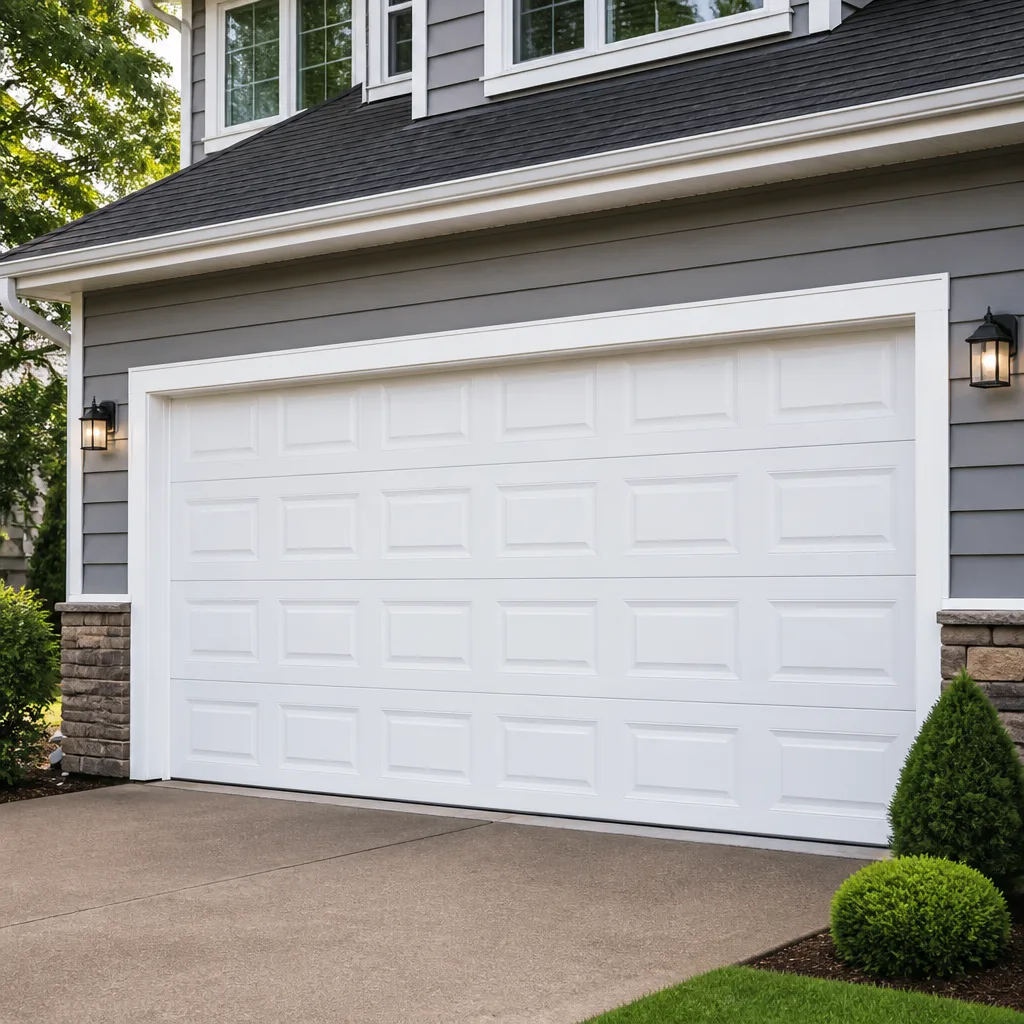
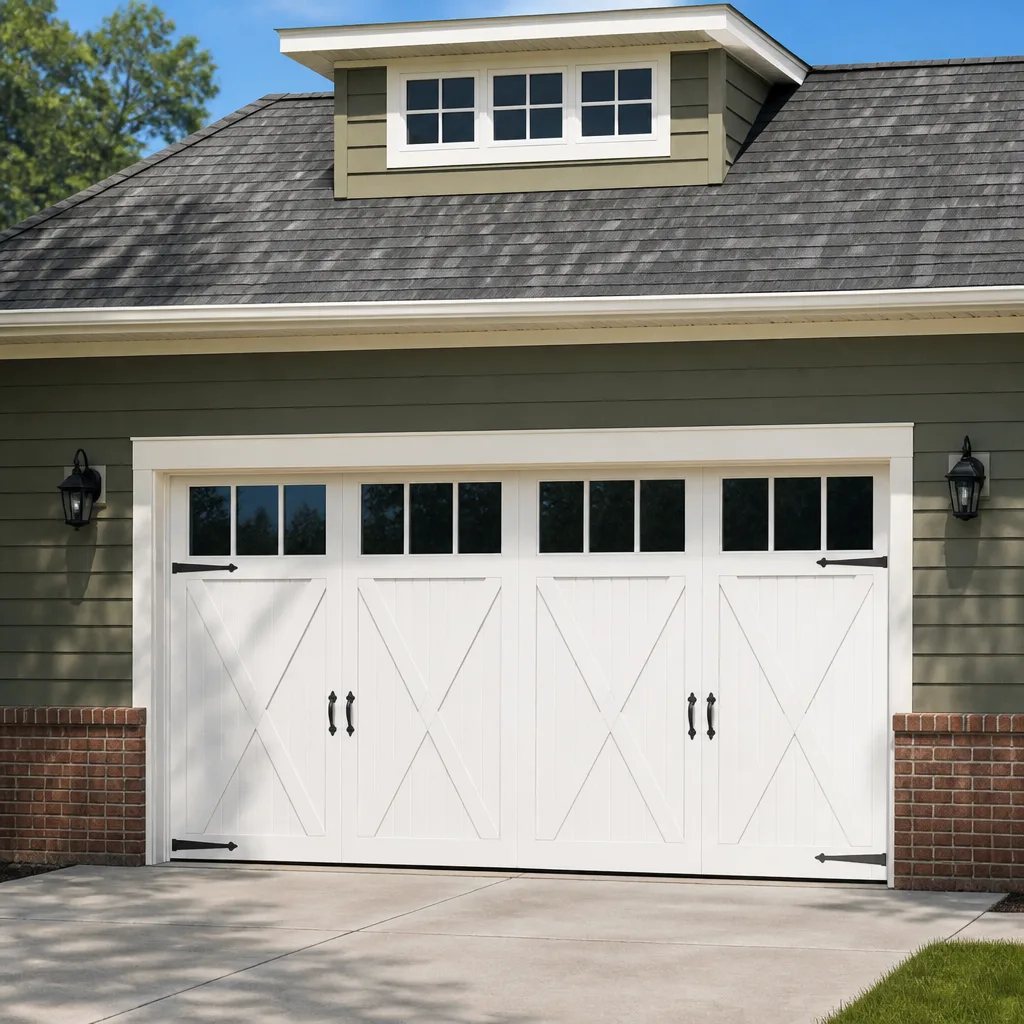
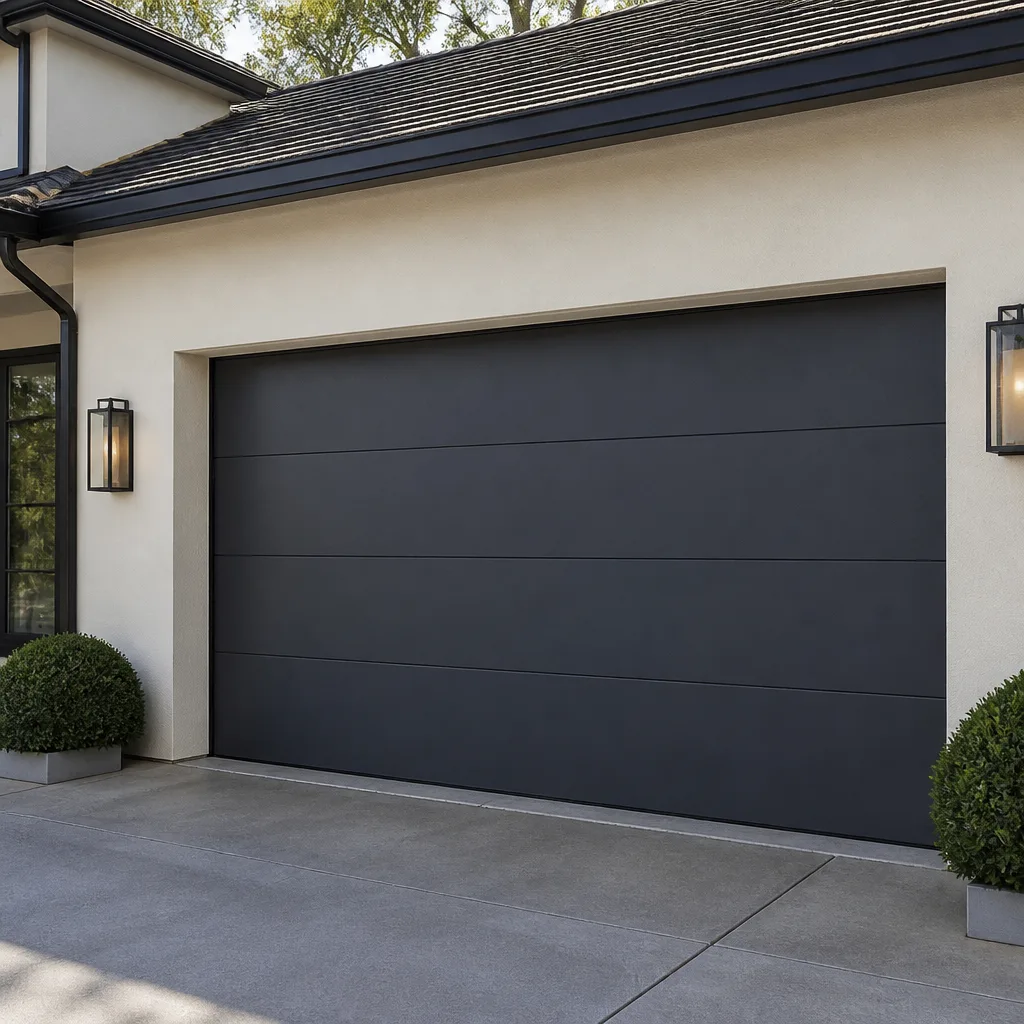
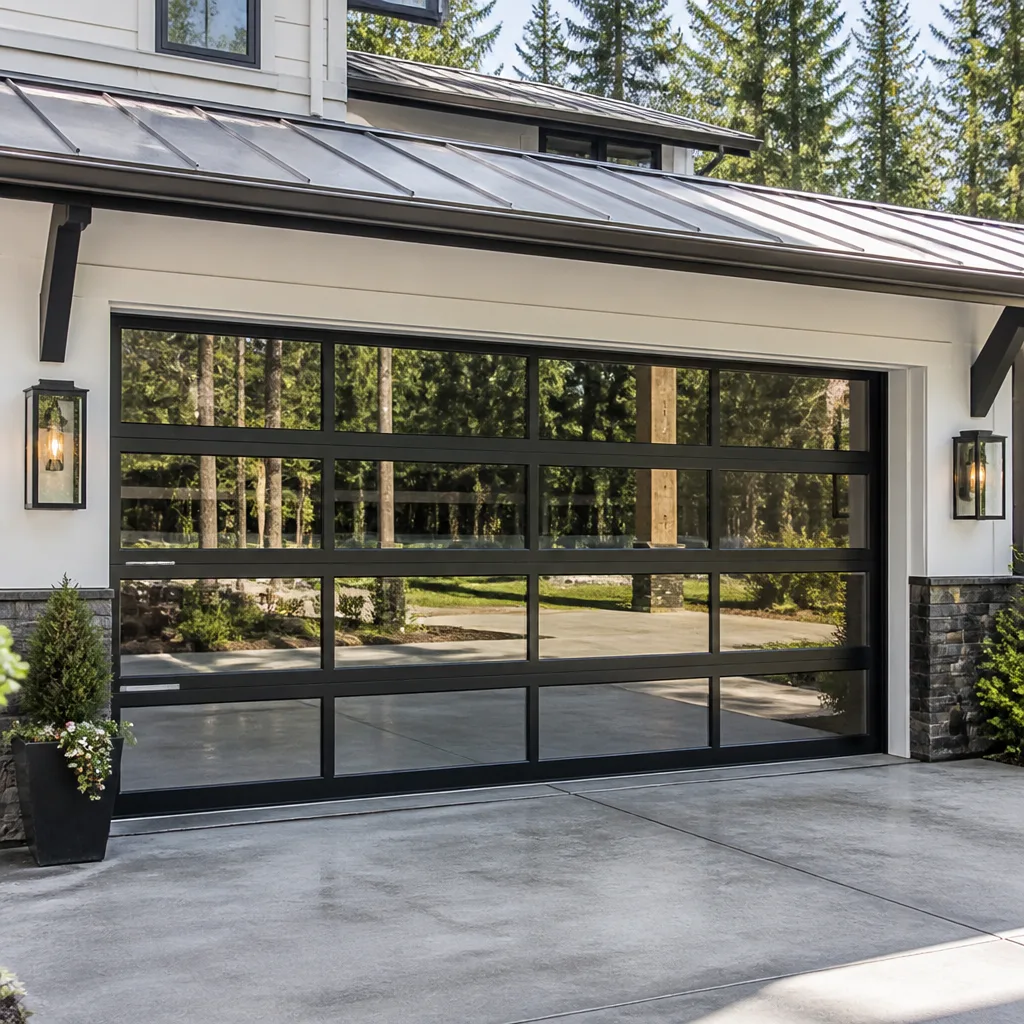
 Before
 After
After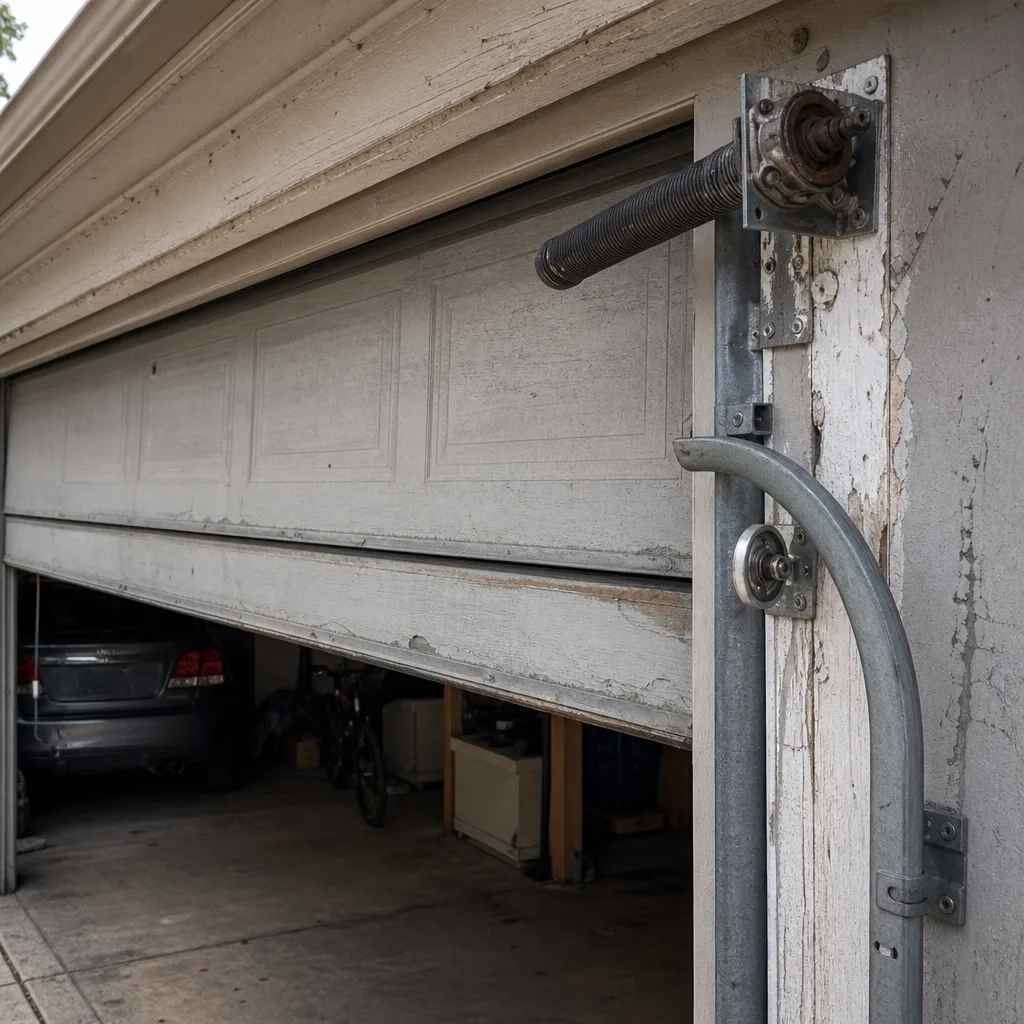 Before
 After
After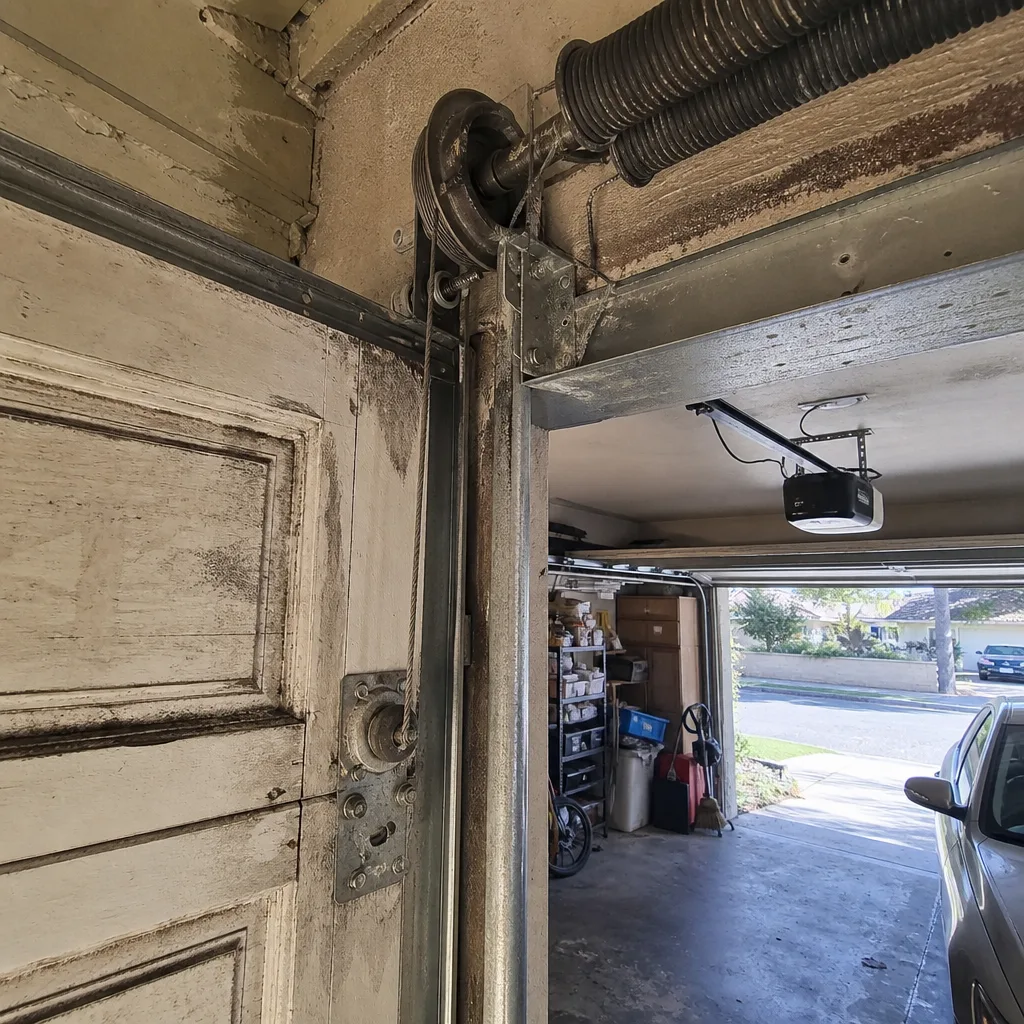 Before
 After
AfterGarage Door Warning Signs: A Tarzana Homeowner’s Reference Guide
Most garage doors in Tarzana don’t fail suddenly. They fail slowly, announcing the breakdown for weeks before it happens. The average torsion spring is rated for about 10,000 cycles, which translates to roughly seven to ten years of normal use. After that, the metal fatigues, the cable frays, and one afternoon you hit the opener button and hear a sound like a gunshot from the garage. This guide covers every warning sign that matters: the noises, the movements, the visual cues, and what they mean for a door that weighs 200 pounds or more. For a broader look at everything from choosing materials to understanding local regulations, see our The Complete Guide to Garage Door in Tarzana. We’ll walk through what to fix this week, what can wait a month, and what means stop using the door right now.
Quick Answer
The most common garage door warning signs in Tarzana are grinding or squealing sounds, a door that jerks or sags on one side, visible cable slack, rust streaks running from the springs, and a door that suddenly opens slower than it used to. If you’re planning a bigger project or hiring help, our How to Hire a Garage Door Contractor in Tarzana: A Step-by-Step Guide walks you through vetting pros and reading quotes. A slow door almost always points to spring tension loss, not opener failure. If you see a frayed cable or a gap in your torsion spring, stop using the door immediately and call a professional.
Table of Contents
- Sounds That Mean Something: The Noises Your Door Makes and What Each One Tells You
- Movement Warning Signs: When a Door Stops Moving Like It Should
- Visual Inspection: What to Look for on the Springs, Cables, Tracks, and Panels
- Torsion Spring Fatigue: How to Read a Spring Before It Breaks
- Bottom Cable Failure: The Most Dangerous Failure Mode Nobody Checks
- Tarzana-Specific Wear: What the Sun, Heat, and Local Conditions Do to Your Door
- The Triage Table: Fix This Week, Fix This Month, Stop Using It Now
- Why a Slow Door Is Almost Never an Opener Problem
Sounds That Mean Something: The Noises Your Door Makes and What Each One Tells You
A garage door talks. Most people just never learned the language. Here’s what the common sounds mean, and how urgently you should act on each one.
Grinding
A grinding sound usually comes from the rollers meeting the track without enough lubrication, or from rollers that have gone flat on one side. Metal-on-metal grinding also happens when the track itself is misaligned and the roller is carving a groove into it. This is a fix-this-month problem in most cases, but if the grinding is accompanied by visible metal shavings under the track, move it up to fix-this-week. A grooved track will eventually catch a roller and the door will bind mid-travel, which can yank a cable off its drum.
Squealing
Squealing is almost always dry rollers or dry hinges. It’s the most common sound in Tarzana garages during the dry months, and it’s the easiest to fix. A silicone-based garage door lubricant on the roller stems and hinges usually quiets it in one pass. But if you lubricate and the squeal persists, the rollers themselves may be worn out. Nylon rollers with sealed bearings are the long-term fix, and they run quieter than the steel original equipment.
Banging or Clanking
A bang when the door starts moving is often a loose torsion spring cone or a slack cable slapping the track. A bang when the door stops is usually a broken roller or a panel hinge that has lost its pin. Neither one is something to ignore. A loose spring cone under tension is one of the more dangerous conditions a door can develop. If you hear a bang on startup, stop using the door and have it inspected.
Popping
Springs pop when individual coils bind and release. It can happen with new springs as they settle, but on an older spring, popping is a sign that the coil is starting to bind internally. Binding is a predecessor to a crack, and a cracked spring is a spring about to break. If your door has started popping during operation, treat it as a warning that the spring is cycling out.
Rattling
Rattling is usually loose hardware: bolts backing out of the track brackets, the opener rail vibrating against its mounts, or the hinge bolts working loose from years of vibration. Most rattle sources are a ten-minute fix with a socket wrench, but a rattle you ignore becomes a bigger problem. A track bracket that works fully loose will let the track flex during travel, and a flexing track can throw a roller or bind the door.
Movement Warning Signs: When a Door Stops Moving Like It Should
Sound tells you something is wrong. Movement tells you something is wrong right now. These are the movement changes that matter.
Jerking or Shuddering Mid-Travel
A door that jerks as it moves is usually fighting something: a bent track, a flat-spotted roller, a panel hinge starting to seize, or a cable that has started riding up over itself on the drum. The jerking itself isn’t the concern. The concern is what that uneven load does to the rest of the system. A jerking door puts uneven tension on the springs and cables, which accelerates wear on everything. Fix this week.
Sagging on One Side
Stand in the driveway and look at the gap between the bottom of the door and the ground. If one side sits lower than the other, or if the door hangs visibly uneven when half-open, you have a tension imbalance. This is almost always one spring doing more work than the other, and it means the weaker spring is failing. A sagging door will also bind in the track, and the strain gets transferred to the opener gear. Fix this week, before the strain cracks the gear and you’re replacing springs plus a gear kit.
Reversing Unexpectedly
An opener that reverses on its own is usually triggering its safety system: the auto-reverse kicks in when the door meets resistance. What the opener can’t tell you is what the resistance is. Often it’s a door that has gotten hard to move because the springs have lost tension, and the opener is now trying to dead-lift 200 pounds on a rail and gearbox designed for maybe 40. If your opener reverses repeatedly, stop using it and find out why the door is binding. Replacing the opener first is throwing money at the symptom. We’ve seen too many Tarzana homeowners replace a perfectly good LiftMaster opener, only to have the new one reverse too, because the real problem was a worn spring.
Slamming on the Way Down
A door that drops fast and slams into the ground has lost its counterbalance. The springs are not doing their job. If you can lift the door manually with two fingers, the springs are healthy. If you have to put your shoulder into it, the springs are gone. A slamming door can shatter a panel, break a roller, and in the worst case, pull the opener rail down with it. Stop using the door and call for spring replacement. This is a same-day repair situation.
Slow to Open
We’ll dedicate a whole section to this one, but the short version: a door that has gotten noticeably slower over a few weeks is telling you the springs are losing tension. The opener motor hasn’t slowed down. It’s working against more weight than it used to.
Visual Inspection: What to Look for on the Springs, Cables, Tracks, and Panels
You don’t need any tools to inspect your door. You need five minutes and a flashlight. Here’s what we look at when we pull up to a Tarzana home.
The Torsion Spring (Above the Door)
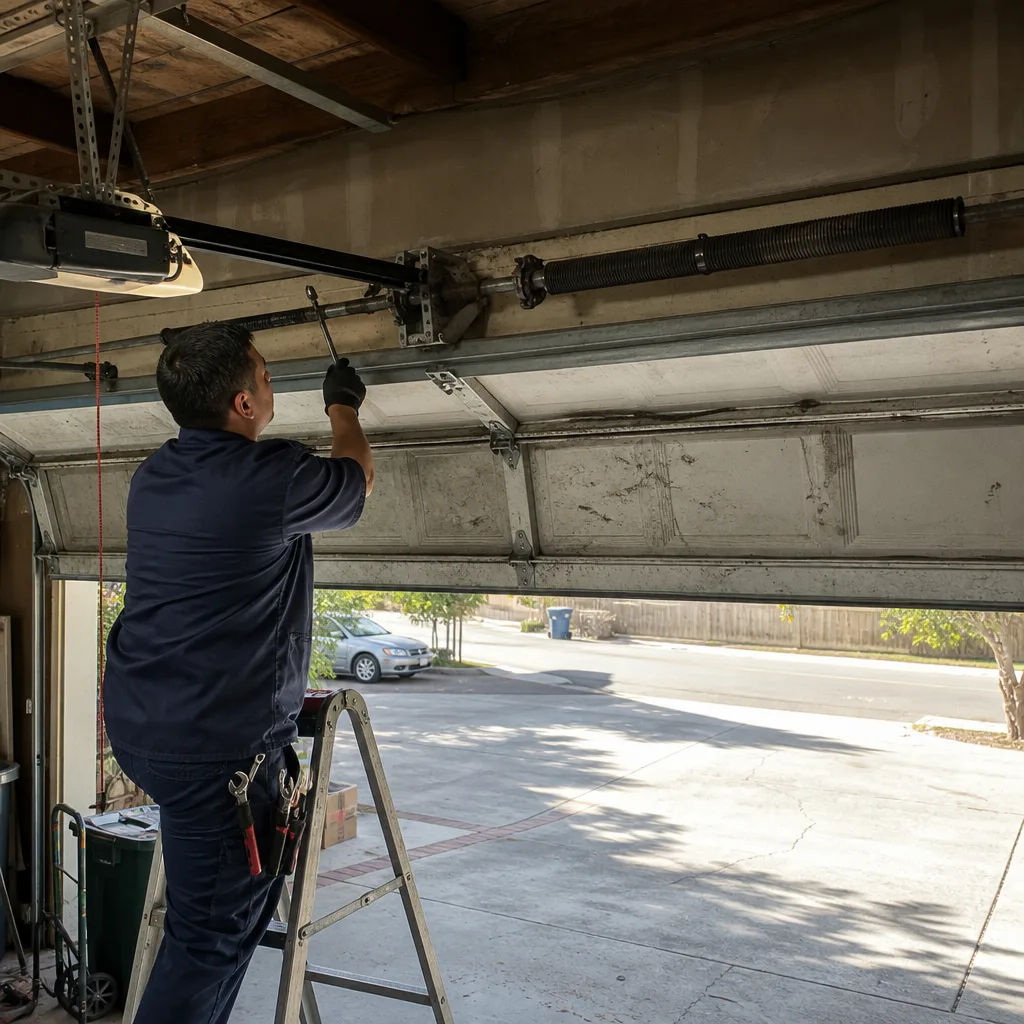
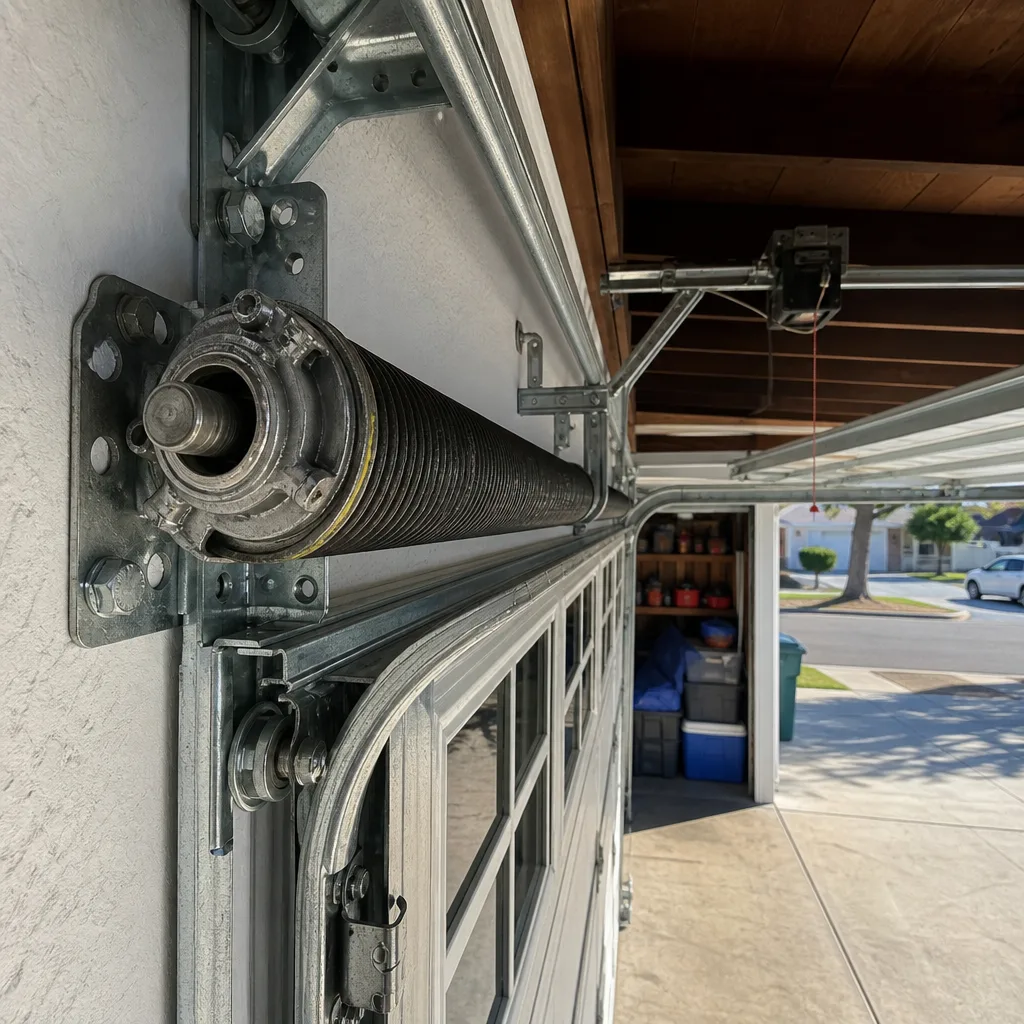
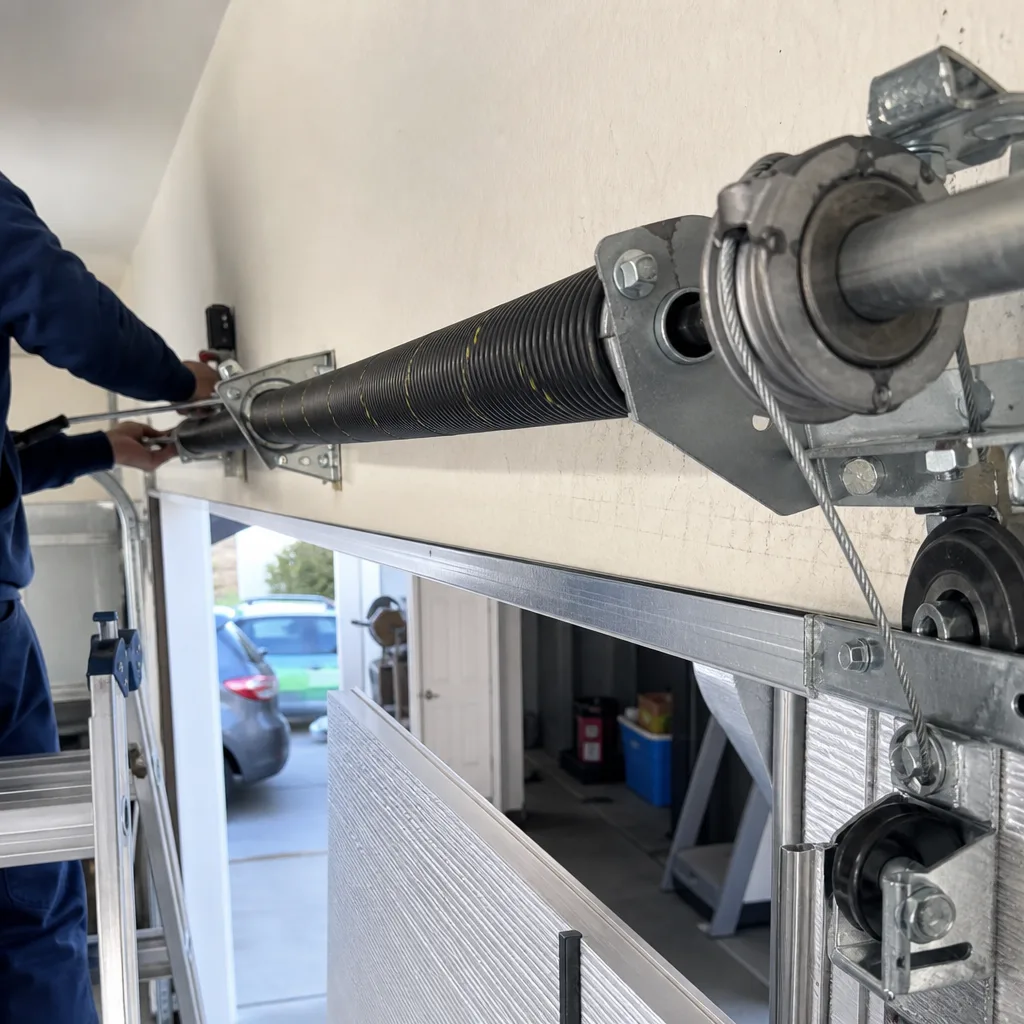
Look at the spring mounted horizontally above the closed door. A healthy spring is a continuous coil with no gaps except at the center bracket and the end cones. A failing spring often shows one or more of these: a visible gap where the coil has pulled apart, rust forming in concentric rings around the coil, or a dull, pitted surface where the metal has started to fatigue. Any of these means the spring is in its last stretch. Springs don’t heal. They only get worse.
The Lift Cables
There are two cables, one on each side, running from the bottom brackets up to the cable drums. Look for these signs: rust on the cable where it meets the bottom bracket, frays that stick out along the cable run (often near the drum), or a cable that has slack in it when the door is closed, sitting loose against the track. A healthy cable should be taut at every point in the travel. Loose is never good.
The Track System
Check the vertical track and the curved part near the top. Look for signs of roller contact: a shiny groove worn into the track face, or a spot where the track looks pinched. Also look for rust at the bolt holes, which weakens the bracket. And check the gap between the roller wheel and the track wall. A healthy setup leaves the roller spinning with just a little play. If the roller is jammed tight against the track, the door is out of alignment.
The Panels and Weatherstrip
Walk the length of the door and look at the panel seams. In Tarzana, we see water damage starting at the bottom panel first, because that’s where sprinklers splash, morning dew collects, and sun-damaged weatherstrip stops doing its job. Look for: paint bubbling at the bottom of the panel, rust bleeding from the inside face of the panel (visible from inside the garage), or a bottom seal that has flattened and hardened until it no longer touches the driveway. A failed bottom seal lets in water, dust, and in Tarzana’s dry heat, a surprising number of leaves and pests.
Torsion Spring Fatigue: How to Read a Spring Before It Breaks
A broken torsion spring can release enough energy to put a dent in a car parked six feet away. The fraying that precedes the break is visible to anyone who knows what they’re looking at.
Here’s what we check, in the order we check it:
- Look at the gap between coils. On a new spring, the coils sit touching or nearly touching along the whole length. As the spring cycles through thousands of open-and-close operations, the metal stretches microscopically. A spring that is 70% through its life will often show a small gap where the coil has separated near the center bearing or one of the cones. That gap is fatigue made visible.
- Look for rust rings. Rust forms where the protective galvanized coating has worn thin from internal friction. Concentric rust rings on the coil surface mean the spring has been working for years. It does not mean failure is imminent, but it means the spring has entered its service twilight.
- Listen for a change in sound. A healthy spring makes almost no sound. A fatigued spring sometimes makes a creaking sound as the coils shift. If your door has started creaking when it opens, not from the rollers but from up near the spring, that’s the metal talking.
- Count the years. Most residential springs in Tarzana last 7-10 years, and if you open the door two or three times a day, you’re on the shorter end of that. If your home is older and you’ve never replaced the springs, and the door feels heavy when you pull the emergency release, plan on replacement sooner rather than later. We count spring cycles the way you count tire miles. We’ll tell you what’s left on yours.
One more thing: if you have two springs and one breaks, replace both. The other spring has the same cycle count, the same metal fatigue, and the same birthdate. Replacing only the broken spring means paying for labor twice. Every reputable garage door company in Tarzana knows this. We say it on every quote.
Bottom Cable Failure: The Most Dangerous Failure Mode Nobody Checks
The bottom cables are the two steel cables that attach to the bottom corners of the door and run up to the drums on the spring shaft. They carry the door’s weight every time it moves. When one lets go, the door drops unevenly and can come down hard enough to damage the door, the track, the opener, or anything underneath it.
Here’s what to look for, and it’s the first thing we inspect on every Garage Door Repair in Tarzana call:
- Fraying near the bottom bracket. This is the most common failure point. The cable bends sharply at the bracket, and that bend weakens the strands over time. Run your eye along the cable from the bottom bracket up about two feet. If you see any individual wires sticking out, that cable is done.
- Rust staining on the cable. Rust weakens steel cable fast. In Tarzana’s dry climate, cables don’t rust as quickly as they do in coastal air, but a cable that has been wet from a sprinkler or a leaking garage roof can corrode at the bracket.
- Slack when the door is closed. A cable should be taut in every position. If you see a cable that droops slightly when the door is fully closed, it’s off the drum or the drum is slipping on the shaft.
- The cable riding over itself on the drum. Stand on a ladder and look at the drum above the door, which is the spool the cable wraps around. The cable should wrap in clean, even rows. If it’s overlapping or bunched to one side, the drum is misaligned and the cable isn’t spooling correctly.
A snapped bottom cable is not a do-it-yourself fix. The door is under partial tension, the remaining cable is suddenly carrying twice its rated load, and the spring still holds enormous stored energy. Same-day professional repair is the right call, and it’s one of the repairs we do most often for Tarzana homeowners who spotted the fray early and called before the snap.
Tarzana-Specific Wear: What the Sun, Heat, and Local Conditions Do to Your Door
Tarzana sits in the San Fernando Valley, where summer temperatures regularly cross 100 degrees and a south-facing garage door gets hammered by direct sun from mid-morning to late afternoon, every day, for months. That changes how doors age here compared to coastal Los Angeles or the cooler canyon areas.
Here’s what Tarzana homeowners should know:
UV Exposure Accelerates Weatherstrip Failure
The rubber bottom seal and the side weatherstrip strips are UV-sensitive. After five or six years of Valley sun, they harden, crack, and lose their compression. The door doesn’t seal against the driveway, and the side gaps widen. The damage shows up inside first: dust on everything in the garage, a warmer garage in summer, and water intrusion at the panel seams after winter rain. A door that faces south or west needs weatherstrip replacement more often than a north-facing door on the same street. This is one of the most common fixes we make on Garage Door Installation in Tarzana projects and existing doors alike.
Panel Finish Failure on South-Facing Doors
Steel doors with a factory paint finish hold up well, but after enough UV exposure the finish starts to chalk and fade, especially darker colors. The real problem starts when the finish breaks down enough that moisture can reach the steel, and that’s when rust bleed appears at the panel edges. A faded door is cosmetic. A door with rust bleeding from the seams has structural moisture damage, and that panel is on a timer.
Heat Cycling and Hardware Loosening
The Valley’s big daily temperature swing expands and contracts metal. Over the course of a year, hinge bolts, track bracket bolts, and opener rail mounts can work loose. We see more loose-bolted rattle fixes in Tarzana than in any other part of our service area. It’s a ten-minute job to tighten everything, and it prevents the track from flexing out of alignment later.
What This Means for Spring and Cable Life
Heat doesn’t shorten spring life directly, but the cycle count does, and Tarzana homeowners with multiple drivers open and close the door more than the average. A family with two working adults and a teenager will put 5-8 cycles on the door per day, which burns through a 10,000-cycle spring in 4-6 years. If your door is 15 years old and you’ve never replaced the springs, you are past due, even if you haven’t had a break yet.
The Triage Table: Fix This Week, Fix This Month, Stop Using It Now
Every warning sign has a deadline. Here’s the full triage, the way we’d write it on the invoice if we inspected your door today:
| Warning Sign | What It Means | Urgency |
|---|---|---|
| Grinding with metal shavings under track | Flat rollers carving the track | Fix this week |
| Squealing that persists after lubrication | Worn rollers or dry bearings | Fix this month |
| Banging on startup | Loose spring cone or slack cable | Stop using the door now |
| Popping from the spring | Coil binding, possible crack | Fix this week |
| Door jerking mid-travel | Bent track, seized roller, cable spooling issue | Fix this week |
| Door sagging on one side | Tension imbalance, failing spring | Fix this week |
| Door reversing unexpectedly | Binding from lost spring tension | Stop using the door and call |
| Door slamming on the way down | Loss of spring counterbalance | Stop using the door now |
| Door noticeably slower than a month ago | Spring tension loss | Fix this week |
| Visible gap in torsion spring | Spring fatigue, near end of life | Fix this week |
| Frayed cable or slack cable | Imminent cable failure | Stop using the door now |
| Rust bleeding from panel seams | Water intrusion at panel | Fix this month |
| Flattened, cracked bottom weatherstrip | UV failure, seal compromised | Fix this month |
| Rattle from loose bolts | Hardware working loose from heat cycling | Fix this month |
If you check one thing on this table, check the “stop using the door now” rows. Those are the conditions where a door can fail catastrophically, and where the repair bill goes from a few hundred dollars to a full panel replacement or worse. A door is 200 pounds riding on two springs. Respect it.
Why a Slow Door Is Almost Never an Opener Problem
This may be the thing we explain most often in Tarzana, so let’s put it in writing once and for all: a garage door opener is a motor that pushes a rail. It does not lift the door. The springs do.
Here’s the anatomy of the misunderstanding:
- The door weighs roughly 150-250 pounds depending on size, material, and insulation. A 16-foot steel door with insulation panels can top 200 pounds.
- Two torsion springs are sized to create a lifting force nearly equal to the door’s weight. When the springs are healthy, the door is nearly weightless to the opener. The opener just needs to guide it.
- The opener motor and gear assembly are not designed to dead-lift the door. They’re sized for guidance force, roughly 30-50 pounds of linear force on a chain or belt rail. That’s fine when the springs carry the rest.
- As springs lose tension over thousands of cycles, they carry less and less of the door’s weight. The opener picks up the difference. It gets slower because it’s working against 80 pounds of effective load instead of 15. It will get slower every month as the springs continue to fade.
- Eventually, the strain strips the plastic gear inside the opener motor or burns out the motor itself. The homeowner replaces the opener, and the new opener is just as slow, because the springs were the problem all along.
If your door is moving slower than it used to, and the opener is more than a year old, the opener is probably fine. The springs are the problem. If the opener is straining, the problem is almost never the opener.
This is the number one place where we see Tarzana homeowners spend money they didn’t need to spend, often after a big-box store or a national outfit sold them a new unit. A Garage Door Opener in Tarzana replacement can be a legitimate fix when the motor is dead or the gear is stripped. But the first question should always be: how old are the springs?
Common Mistakes to Avoid
- Lubricating a failing spring. Lubricant quiets a dry spring, but it won’t stop a fatigued spring from breaking. If the spring is showing a gap or popping, lubrication just masks the warning sign until the break happens.
- Replacing the opener when the door is slow. As covered above, this is the most expensive misdiagnosis we see. A new LiftMaster or Chamberlain opener won’t fix a door that’s heavy because the springs are gone. Test the door manually first: pull the release cord and lift the door by hand. If it’s heavy, the springs are the problem.
- Ignoring a frayed cable because “it’s still working.” A frayed cable is no longer rated for the load it carries. It can hold for weeks or it can let go tomorrow. Every day you wait is a gamble the cable doesn’t snap mid-travel with a car or a person under it.
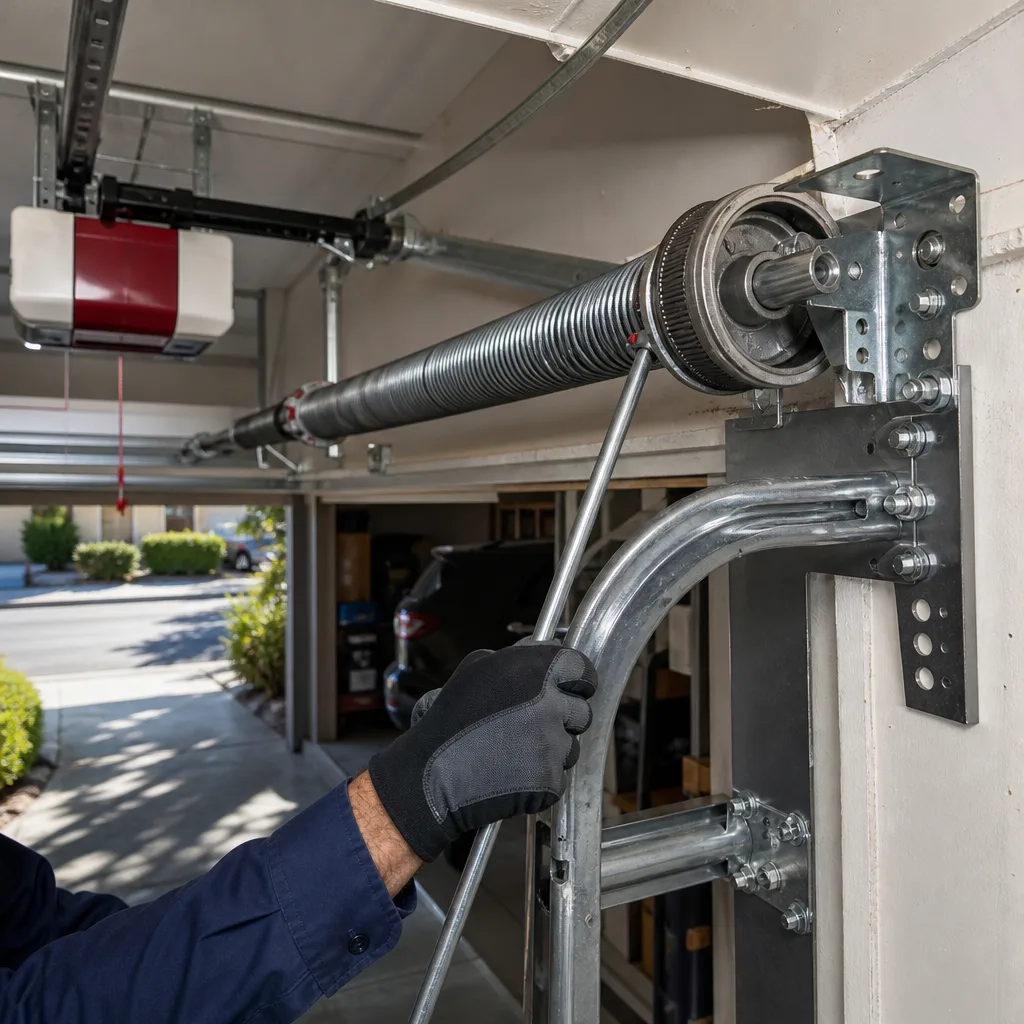
- Adjusting spring tension yourself. Torsion springs store an enormous amount of energy. The winding bars needed to adjust them are not a standard socket set item, and a slip can put a bar through a wall, a car, or a hand. This is one repair where even skilled mechanics call a professional. In our experience, the money saved is rarely worth the emergency room bill.
- Skipping weatherstrip replacement to save a few dollars. In Tarzana’s heat, a failed bottom seal means dust inside the garage, a hotter garage, and water intrusion during winter rain. The seal costs little compared to the rust and water damage it prevents.
- Waiting until the spring breaks to replace it. Springs almost never break on a schedule that’s convenient. They break on a Tuesday night at nine, with the car inside. Replacing springs proactively at the first signs of fatigue means you choose the day it happens.
When to Call a Professional
Call a professional when the warning sign involves the springs, the cables, or anything under tension. That means: a visible gap in a torsion spring, a frayed or slack cable, a door that’s slamming, a door that’s binding, or a door that’s suddenly heavy to lift by hand. These are not adjustments you can safely make with a wrench and a YouTube video, and the downside of a mistake is severe.
For the smaller issues, a professional is still worth the trip. Track alignment, roller replacement, and spring tension adjustment take a technician a fraction of the time they take a homeowner, and the result lasts longer. Otto’s Garage Door home has been helping Tarzana homeowners with these exact problems since 2004. If you’re not sure what a sound means, call (818) 431-2466. Otto quotes the job on that call and holds the number when he gets there. The estimate is free.
Frequently Asked Questions
The two most common failures we see in Tarzana are broken torsion springs and UV-destroyed bottom weatherstrip. Springs fail from ordinary cycle fatigue, and Tarzana homes with multiple drivers put more cycles on their doors than the national average. Weatherstrip fails from direct Valley sun, especially on south-facing and west-facing doors. Both are preventable with regular inspection, and both are cheaper to address before they fully fail.
Look for three things: a visible gap in the coil, a door that’s getting harder and slower to lift manually, and a spring that’s started making creaking or popping sounds during operation. Any one of those means the spring has entered its service twilight. If you see all three, schedule a replacement before the spring breaks on its own schedule. Call (818) 431-2466 for a free spring inspection in Tarzana.
We strongly recommend against it. The cable works with a spring that’s under constant high tension, and the bottom bracket connects to the cable under load. The process requires unwinding the spring, which means special winding bars and a specific technique that professionals spend years learning. A mistake can drop the door or release the spring’s stored energy. This is one repair where the risk outweighs the savings, no matter how handy you are.
Because the springs are losing tension and the opener is picking up the extra weight. The opener motor hasn’t slowed down; it’s working harder against a heavier effective load. Test it yourself: pull the emergency release cord and lift the door by hand. A healthy door is nearly weightless and lifts easily with two fingers. If yours is heavy, the springs are the problem, not the opener. Replacing the opener first is the most expensive misdiagnosis in this business, and we see it too often in Tarzana.
Most torsion springs last 7-10 years in the Valley, but the real measure is cycles, not calendar years. A standard spring is rated for about 10,000 cycles, which means one full open-and-close. A home where the door goes up and down 6 times a day will burn through a spring in about 4-5 years. Homes with lighter use might get a decade. If your door is more than seven years old and the springs have never been replaced, they’re on borrowed time.
Stop using the door immediately. A snapped cable means the remaining cable is carrying a load it wasn’t sized for, the door will fall unevenly if you try to operate it, and the spring still holds dangerous stored energy. Don’t try to move the door, don’t try to re-attach the cable, and don’t run the opener. Call (818) 431-2466 for same-day emergency service in Tarzana. We’re local, we answer the phone 24/7, and we’ll quote the repair on the call.
The Bottom Line
Your garage door tells you when it’s failing. The squeal, the sag, the slow creep of the opener, the rust ring on the spring: each one is a message with a deadline attached. Learning to read those signals means the difference between a $200 repair on your schedule and a $900 emergency at the worst possible moment. In Tarzana, with our heat, our sun, and our multi-driver households, the doors work harder than people expect. Give yours five minutes of attention twice a year. If you see something that’s on the fix-this-week list, or if you’re not sure what you’re looking at, call us. We’ll look at it, tell you what’s wrong, and quote the job before any work starts. That’s how we’ve done it since 2004.
Call Otto’s Garage Door at (818) 431-2466 for a free estimate on any repair, spring replacement, cable fix, or new door installation in Tarzana. We answer the phone, we show up on time, and the price we quote on the phone is the price you pay. The 90-Day Done Right Promise is written on every invoice, and one call brings Otto back.
Written by Otto Reinhardt, Owner at Otto’s Garage Door, serving Tarzana since 2004.