
Last updated September 10, 2026
Full 25-point door and opener safety check with every visit - springs, cables, rollers, tracks, and your LiftMaster or Chamberlain opener included
You get a price before we start. It does not change when the truck arrives.
 Before
 After
After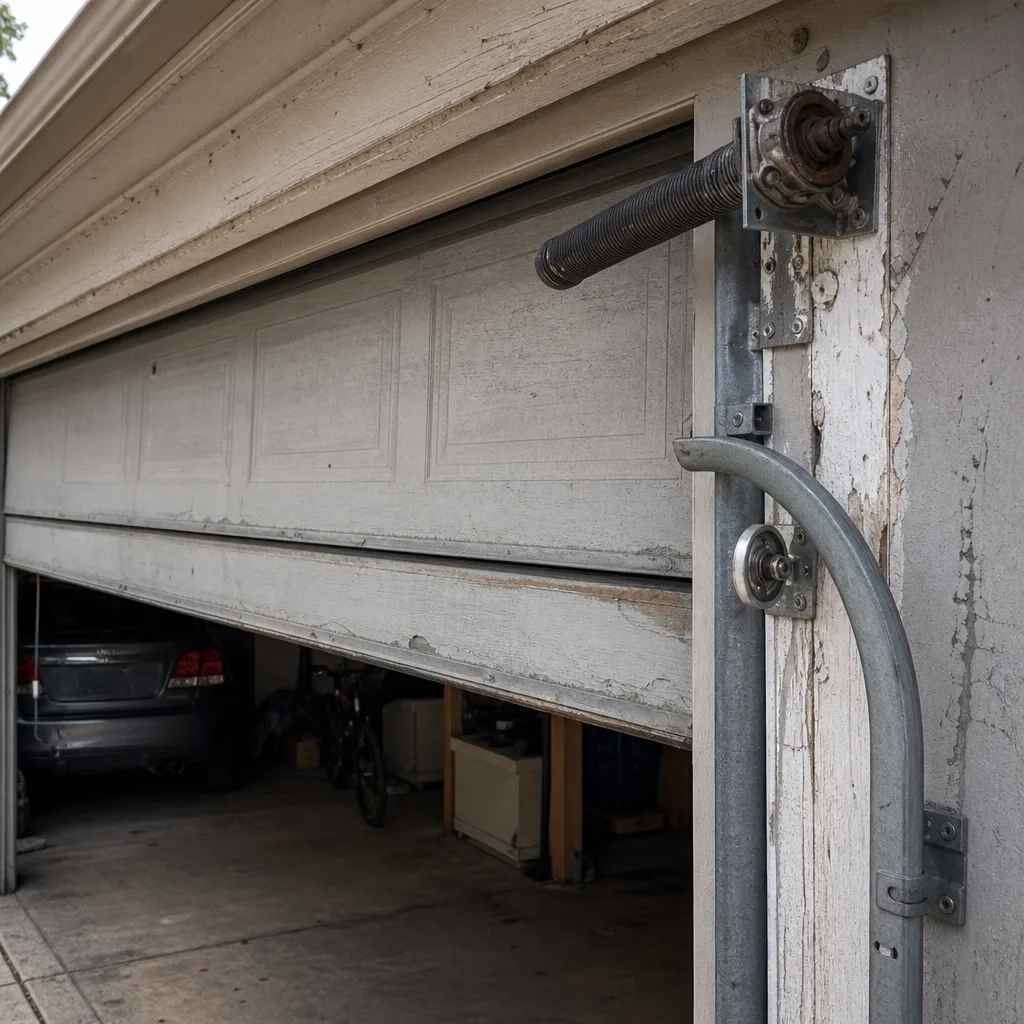 Before
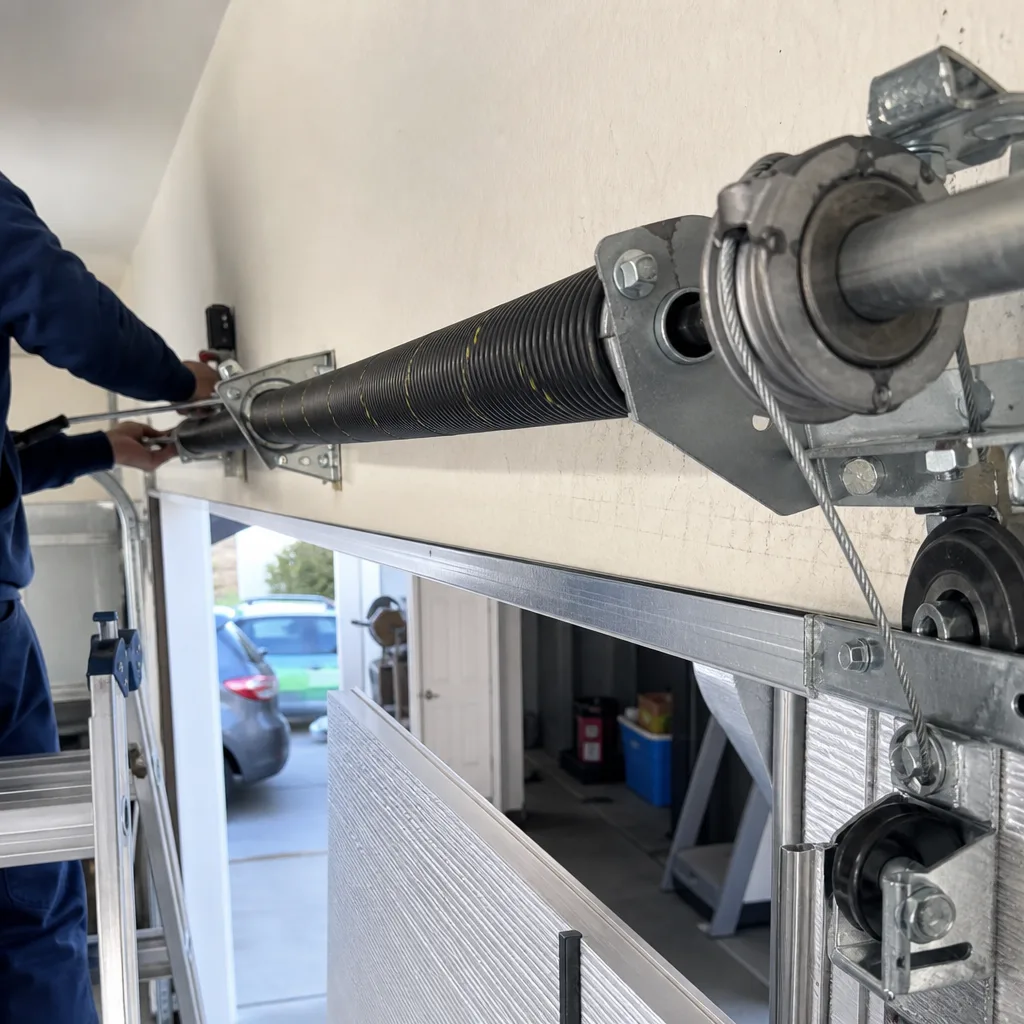 After
After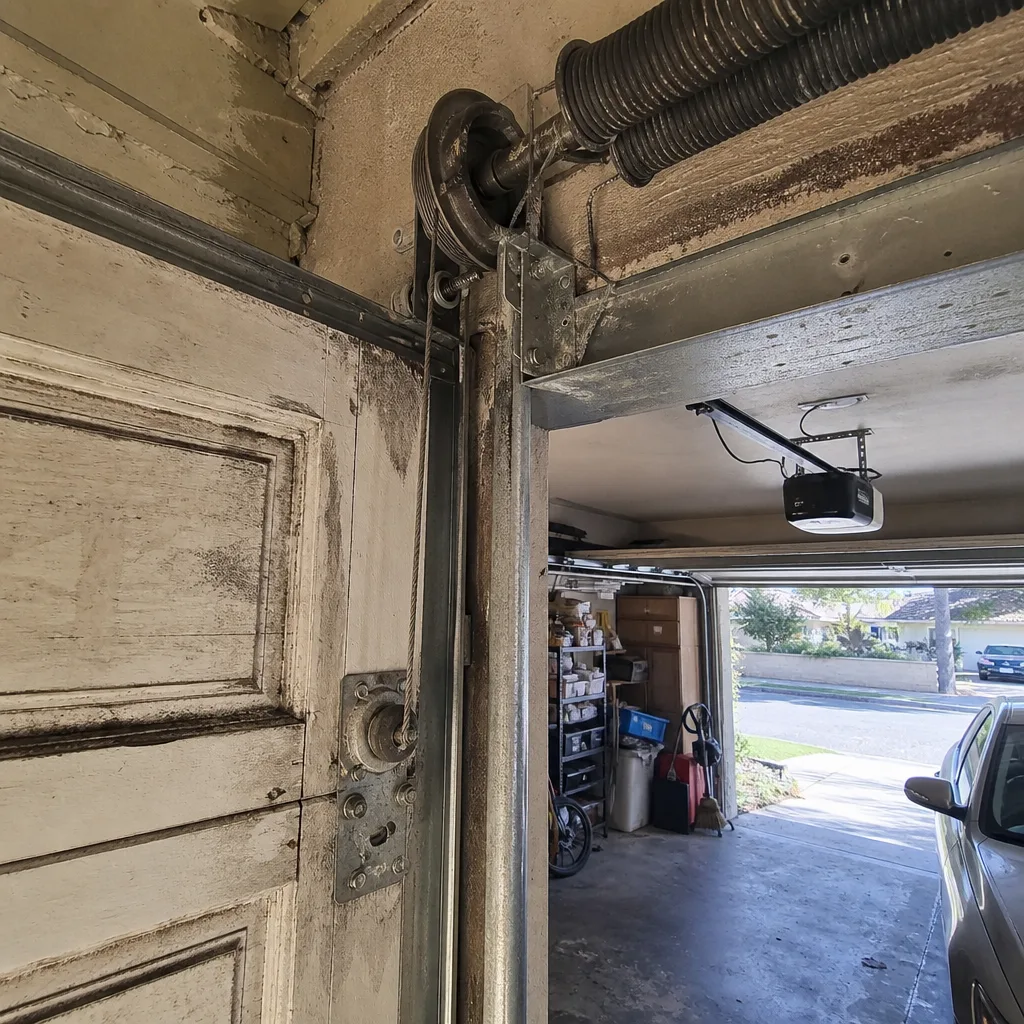 Before
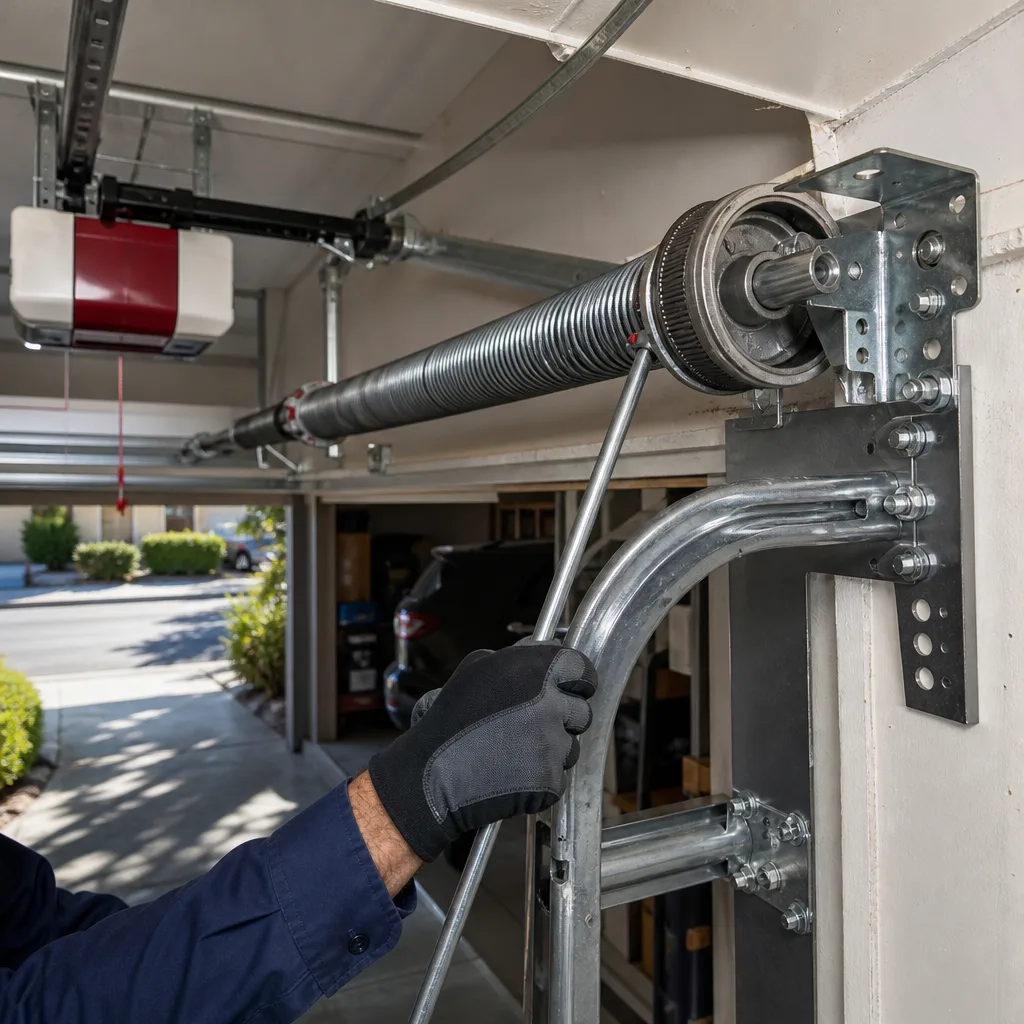 After
AfterSeasonal Garage Door Care for Tarzana: Year-Round Homeowner’s Guide
The Santa Ana winds that tear through Tarzana every October and November carry something heavier than hot air. They carry fine grit from the dry foothills, and that grit works its way into roller bearings and track seams faster than anything a rainstorm could deliver. By the following spring, doors that ran quiet in July are grinding like a coffee mill, and homeowners blame age when the real culprit rode in on a wind you could feel but never see. This guide maps garage door care to Tarzana’s actual calendar, the way it really plays out on Reseda Boulevard and Vanalden Avenue, not some generic four-season checklist written for Ohio. For more guides & resources tailored to local conditions, see our blog. You’ll learn which four windows of the year actually stress your door, what each one demands, and which tasks take minutes versus which ones call for a trained hand.
Quick Answer
Seasonal garage door care in Tarzana means four distinct maintenance windows, not four classic seasons: post-Santa Ana track and roller cleanup in late fall, tension and torque checks during winter cold snaps, a full lubrication and balance pass in mild spring weather, and expansion adjustments during summer heat waves. Most problems trace to grit, heat expansion, and rubber drying out, not to hardware failing on its own.
Table of Contents
- Summer (June-September): Heat Expansion and the Binding Door
- Fall (October-November): The Post-Santa Ana Cleanup
- Winter (December-February): Cold Snaps and That ‘Heavy Door’ Feeling
- Spring (March-May): The Lubrication and Balance Window
- Year-Round: Weatherstripping and the Dry-Rot Problem
- Common Mistakes to Avoid
- When to Call a Professional
- Frequently Asked Questions
Summer (June-September): Heat Expansion and the Binding Door
When Tarzana sits at 95°F or higher for days on end, which happens more summers than not, steel garage door panels expand. Not by much. A 16-foot door might grow a sixteenth of an inch across its width. But the track that holds it doesn’t grow with it. The result is a door that suddenly binds mid-travel, hesitates, or slows to a grind on the way up. If you’ve noticed your door acting different in August but “fine” by October, that’s heat expansion, not your imagination, and certainly not a sign the door is worn out.
The fix that matters most is track spacing, specifically the gap between the door edge and the track sidewall. On most residential doors installed in Tarzana, that gap should hold at roughly a quarter inch on each side. When heat closes that gap, the door rubs. The correction is simple in concept, but it involves loosening track brackets and re-securing them with the proper spacing, and if the door is under tension from a wound spring, that’s a job for someone who knows what they’re doing. At Otto’s Garage Door home page we keep a running log of the adjustments we’ve made on doors throughout Tarzana since 2004, and summer binding shows up in our records every July without fail.
What You Can Do Without Touching the Track
- Watch the door travel once a week during heat waves. Note where it hesitates. That’s your diagnostic.
- Keep the track free of dust and debris buildup. Heat makes dust stickier; a dirty track compounds the binding effect.
- Listen for new grinding sounds. Worn rollers groan louder when panels press against them.
- Check the opener’s force settings. When the door binds, the opener has to push harder. An opener that strains every cycle is a bill waiting to happen.
One thing we see often in Tarzana summers: homeowners crank up the opener’s force limit to “fix” a binding door. Don’t do it. If the opener is straining, the problem is almost never the opener. It’s the door itself fighting the track, and upping the force just masks the binding until something breaks under load. A door is 200 pounds riding on two springs. Respect it.
Fall (October-November): The Post-Santa Ana Cleanup
Santa Ana season is when Tarzana garage doors eat the most abrasive material they’ll see all year. The winds that hit 40 to 60 mph through the Valley carry dust and sand particles fine enough to float yet sharp enough to score a nylon roller. Once that grit gets inside a sealed bearing, it doesn’t work its way out. It grinds. The bearings that were smooth in September are rougher by Thanksgiving, and rough bearings transfer that roughness straight into the door’s movement.
The cleanup routine below takes about 20 minutes and adds a full year to bearing life on most doors. We’ve seen doors in Tarzana neighborhoods go from noisy to quiet just from this one annual pass, no parts replaced. The key is doing it every fall, after the last strong wind event, not whenever you happen to remember.
Post-Santa Ana Track and Roller Cleanup: 20-Minute Routine
- Wipe the track interior. Use a dry microfiber cloth or a soft-bristle brush to clear the visible sand from inside the vertical tracks. Work top to bottom so debris falls away from the rollers. Do not use water in the tracks, and do not oil the tracks themselves. Oil on tracks attracts the next round of grit faster.
- Inspect the rollers. Look for grit embedded in the wheel surface. Nylon rollers that feel rough under your thumb should be replaced. Steel rollers with visible pitting or flat spots are done.
- Clear the bottom track corners. The radius where the vertical track bends toward horizontal collects the most sand. A vacuum crevice tool gets it out without pushing it deeper.
- Wipe down the weatherstripping. Dry Santa Ana dust cakes onto rubber seals and accelerates cracking. A damp cloth, then a dry one, keeps the seal supple.
- Open and close the door twice. Listen. If it still grinds after the track is clean, the grit is inside the bearing, and no amount of wiping will reach it. That’s when we replace rollers, which is a quick job when done before the bearing fails completely.
For Tarzana homeowners, timing matters. The strongest Santa Anas typically blow between late October and mid-November. Do this cleanup after the last one, not before. You’d just be clearing the track for a fresh load. If you’ve been putting off a tune-up, fall is also the right moment to have a pro look at the full door, and our Garage Door Repair in Tarzana service includes exactly this seasonal pass as part of regular maintenance calls.
Winter (December-February): Cold Snaps and That ‘Heavy Door’ Feeling
Tarzana’s winter cold snaps are brief and usually mild by national standards, but they arrive fast, often dropping 25 degrees overnight. That rapid temperature change is precisely what messes with spring tension and opener torque. Steel torsion springs lose a small percentage of their lifting force when cold contracts the metal. The change is temporary, but it’s real. Your door feeling noticeably “heavy” in January isn’t in your head, and it isn’t a sign the opener is dying. It’s the spring doing less work in the cold, and the opener picking up the difference.
What matters is how you respond. When the door feels heavier in winter, the correct move is to check whether the door is balanced, not to buy a more powerful opener. A properly balanced door should hold position by hand when you lift it to waist height and let go. If it sags down in winter but held fine in summer, the spring is reacting to temperature. If it sags in every season, the spring is wearing out, and that’s a different conversation entirely. We count spring cycles the way you count tire miles, and we’ll tell you what’s left on yours during any garage door opener service call in Tarzana.
Winter Checklist for Tarzana Homes
- Test the balance once in January. Lift the door manually to waist height. It should hold. If it drops steadily, you have a spring issue.
- Watch the opener’s speed in cold mornings. Slower than normal is fine. Jerky or struggling is not.
- Check for condensation inside the tracks on especially cold, foggy nights. Wipe it dry. Moisture plus dust equals paste, and paste clogs rollers.
- Do not spray lubricant on a cold spring. Lubricants thicken in cold weather and can temporarily reduce spring response. Lubricate when it’s above 55°F, ideally in spring or fall.
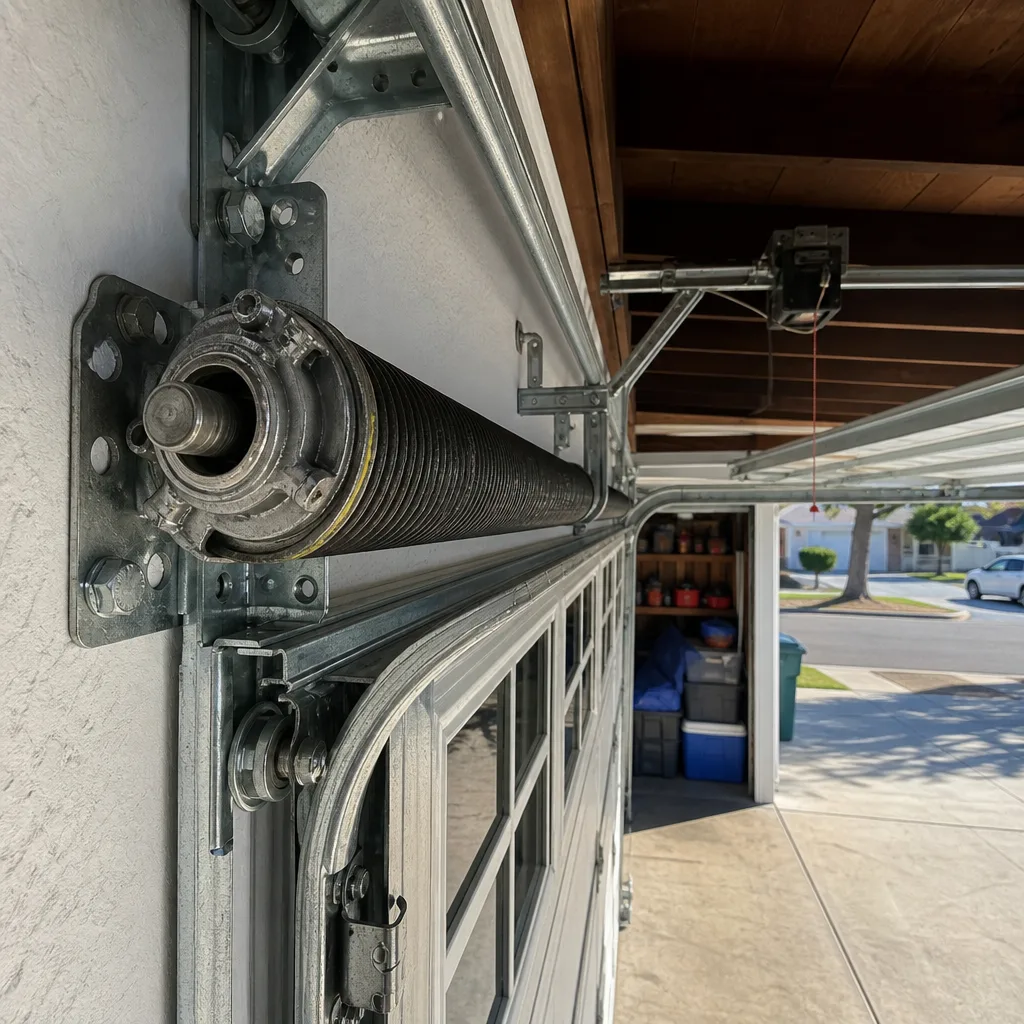
One thing to be clear about: torsion springs under tension are not a place for experimentation. If your door feels consistently heavy in Tarzana’s winter, a spring may be near the end of its cycle life. Springs don’t fail gracefully. They snap, often when the door is half open, which is genuinely dangerous. Our garage door installation technicians in Tarzana see the aftermath of snapped springs every January, when doors that were “just a little heavy” finally give way. If you’re unsure about the spring, call someone who isn’t unsure.
Spring (March-May): The Lubrication and Balance Window
Spring in Tarzana is the best maintenance window on the calendar, and it has nothing to do with the season itself and everything to do with the temperature. March through May gives you weeks of 65 to 80°F days, warm enough for lubricants to flow properly into hinge pins and bearing surfaces, cool enough that steel panels aren’t expanded and binding. That means a balance test done in spring tells you the truth about your spring. A balance test done in August tells you the truth about August.
The annual lubrication and balance check is not optional if you want a door that runs quietly for twenty years. Here’s the full pass, step by step, so you know what to expect whether you do parts of it yourself or have us do the whole thing. Not sure which route to take? Read DIY vs Professional Garage Door: The Tarzana Homeowner’s Decision Guide first.
- Balance test first. Disconnect the opener using the red release handle. Lift the door by hand to waist height. Release. The door should stay put, more or less. Then lift to full open and ease it down to check for smooth travel. If it binds anywhere, note the spot.
- Lubricate hinge pins. Use a white lithium grease or a garage-door-specific lubricant (not WD-40, which is a cleaner, not a lubricant). A small dab on each hinge pivot point. Your door has between 10 and 14 hinges depending on width.
- Lubricate roller bearings. Nylon rollers have sealed bearings that benefit from a light spray of silicone lubricant on the bearing face. If rollers are steel and open, a drop of light oil on the bearing. Do not soak them; wet bearings collect dust, and dust is the enemy.
- Wipe the spring with a light coat of spray silicone or spring lubricant. The spring itself doesn’t need heavy grease, but a light film prevents surface rust and keeps coils from binding against each other.
- Check the weatherstripping for cracks. More on that year-round problem below, but spring is the ideal time to replace dried seals before the summer sun finishes them off.
- Run the door five times. Listen. Watch. If the balance was off, address it now, before heat hits and panels expand. A door balanced in May is a door that survives July.
This is the routine we perform on our own doors and on every home where we do annual maintenance across Tarzana. It’s also the one we recommend homeowners learn even if they hire us, because understanding your door is half the battle. The other half is having a local name you can call when understanding isn’t enough, which is exactly what we’ve offered since 2004 from our shop here in Tarzana.
Year-Round: Weatherstripping and the Dry-Rot Problem
Here’s something rain-soaked climates get wrong about Tarzana: they assume a dry climate is easier on rubber. It isn’t. The temperature swings we get, from 110°F in August to 35°F on a January night, work rubber like a hinge being bent back and forth. Each cycle takes a little flexibility out of the material. Rain rots rubber slowly and visibly. Our heat and temperature swings dry-rot it from the inside out, and homeowners don’t notice until a gap forms and the critters and dust move in.
The weatherstripping along the bottom of your garage door, plus the vinyl trim seals around the frame, are your first line of defense against more than weather. They keep out dust during Santa Anas, block rodents that breed in the dry brush of the Santa Monica foothills, and cut the noise your door passes through. When that seal cracks or shrinks, you lose all three protections at once.
How to Check Weatherstripping in 5 Minutes
- Run your fingers along the bottom seal, pressing gently. Stiff rubber that resists bending is on its way out.
- Look for gaps at the corners of the door where the bottom seal meets the frame trim.
- Close the door and check for visible daylight under the seal from inside the garage. Any light means a gap.
- Check the side and top trim for brittleness or spots where the vinyl has pulled away from the frame.
- If the bottom seal is more than 5 years old and the surface shows fine cracks, replace it. It’s inexpensive insurance against what crawls or blows in through the gap.
In Tarzana, the smart replacement schedule is proactive: check seals every spring, replace before they fail, and you’ll never notice the failure mode. Most of the doors we service in the neighborhood still have original seals that went dry years ago. The homeowners knew the door wasn’t sealing tight but had no idea what a 15-dollar strip of rubber was costing them in dust and utility bills.
Common Mistakes to Avoid
- Lubricating the track. The track doesn’t need lubricant. It needs to be clean. Grease on a track attracts Tarzana’s dust and sand like a magnet, turning your track into grinding paste within a month.
- Using WD-40 on hinges and rollers. WD-40 is a water displacer, not a lubricant. It cleans and then evaporates, leaving the part drier than before. Use white lithium grease on hinges and silicone spray on roller bearings.
- Cranking up opener force to fix a binding door. If the door binds in summer heat or after Santa Ana dust, the opener force setting is not the problem. Increasing it turns a minor track issue into a bent panel or a burned motor.
- Waiting for a noise to become a failure. Grinding rollers, squealing hinges, or a heavy-feeling door don’t fix themselves. In our experience, small issues ignored in spring become big bills in winter.
- Replacing the opener when the door is out of balance. A door that’s heavy because the spring is wearing out will kill a new opener fast. Balance the door first, then evaluate the opener. If the opener is straining, the problem is almost never the opener.
- Doing spring work without knowing the risks. Torsion springs hold enormous tension. Attempting to adjust or replace one without proper tools and training can cause serious injury. This is one job where watching a video doesn’t prepare you for the reality of a wound spring.
- Ignoring the weatherstripping until you see pests. By the time you notice mice or crickets in the garage, the seal has been gone for a while. Check it in spring, replace it then, and skip the surprise.
When to Call a Professional
Some jobs are Saturday-afternoon projects. Others are not. Call a professional when the torsion spring is visibly worn, gapped, or showing rust at the coil seams. That spring holds more tension than you want to be near, and when it goes, it goes without warning. Call when the door binds even after you’ve cleaned the tracks, because heat expansion has likely warped a panel or shifted a bracket somewhere you can’t see from the ground. Call when the door feels heavy no matter the season, because that’s a spring declining on a curve only a trained eye can measure. Call when you see cables fraying near the drum, when a roller has come out of its track, or when the door jerks hard on the way up and you’re not sure why. For any of these, Otto’s Garage Door offers free estimates in Tarzana. Call (818) 431-2466 and Otto will tell you over the phone what he thinks you’re dealing with, what it should cost, and when he can get there.
Frequently Asked Questions
Lubricate hinges, rollers, and the spring once a year, ideally in spring when temperatures sit between 65 and 80°F and lubricants flow properly. In Tarzana, that means March through May. If you live near a dirt lot or a construction zone and your door collects dust faster, twice a year is reasonable, but more than that just creates a sticky surface for grit to cling to.
Steel panels expand in sustained 95°F+ heat, and when they expand, the gap between the door edge and the track shrinks to the point of contact. That’s why your door moves freely in October but rubs in August. The fix is typically a track spacing adjustment, not new hardware. If your door is binding in the heat, call (818) 431-2466 for a free estimate and Otto will tell you if a simple spacing correction will solve it.
Yes, and more insidiously than most homeowners in Tarzana realize. The fine grit carried by Santa Ana winds gets into roller bearings and track seams, where it grinds away at moving parts every cycle. By spring, doors that were quiet in summer are noticeably rougher. A single post-Santa Ana track and roller cleanup in November removes the abrasive material before it does real damage.
Cold temperatures contract the metal in your torsion spring, reducing its lifting force slightly. The door itself hasn’t gained weight; the spring is temporarily doing less work. This is usually a normal winter effect that reverses when temperatures rise. If the door is heavy in every season, however, the spring is wearing out, and that’s worth a professional look before it snaps.
Most rubber bottom seals in Tarzana last 4 to 6 years before temperature swings have dried them out enough to crack and shrink. Vinyl trim seals around the frame last a bit longer, maybe 7 to 10 years. If you notice a visible gap under the door, daylight from inside, or stiff, cracked rubber, the seal is already past its useful life. Replacement is inexpensive and keeps out dust, pests, and hot air. Call (818) 431-2466 for a free estimate on seal replacement.
The post-Santa Ana track cleaning. Most Tarzana homeowners lubricate the door at some point and replace the weatherstripping when it visibly fails, but almost nobody clears the sand out of the track and roller bearings after the fall winds. That one 20-minute task, done every November, adds more life to your rollers and bearings than any other single action.
The Bottom Line
Your garage door in Tarzana faces four real stress windows every year, and none of them line up with the four seasons you’ll find on a national home-care checklist. For a deeper look at local maintenance strategy, see The Complete Guide to Garage Door in Tarzana. Summer heat expands panels and causes binding. Santa Ana winds load your tracks with abrasive grit. Winter cold makes springs work under handicap, and spring is your best window for lubrication and balance work. On top of all that, the temperature swings that define Tarzana’s climate wear out rubber faster than rain ever would, which means weatherstripping is a year-round concern. Handle these four windows in order and you’ll get more years, more quiet operation, and far fewer emergency calls out of any door.
If any of this sounds like more than you want to handle on a Saturday, call (818) 431-2466 and Otto will walk you through it, quote the job on the phone, and hold that number when he gets there. That’s how we’ve done it in Tarzana since 2004.
Written by Otto Reinhardt, Owner at Otto’s Garage Door, serving Tarzana since 2004.